

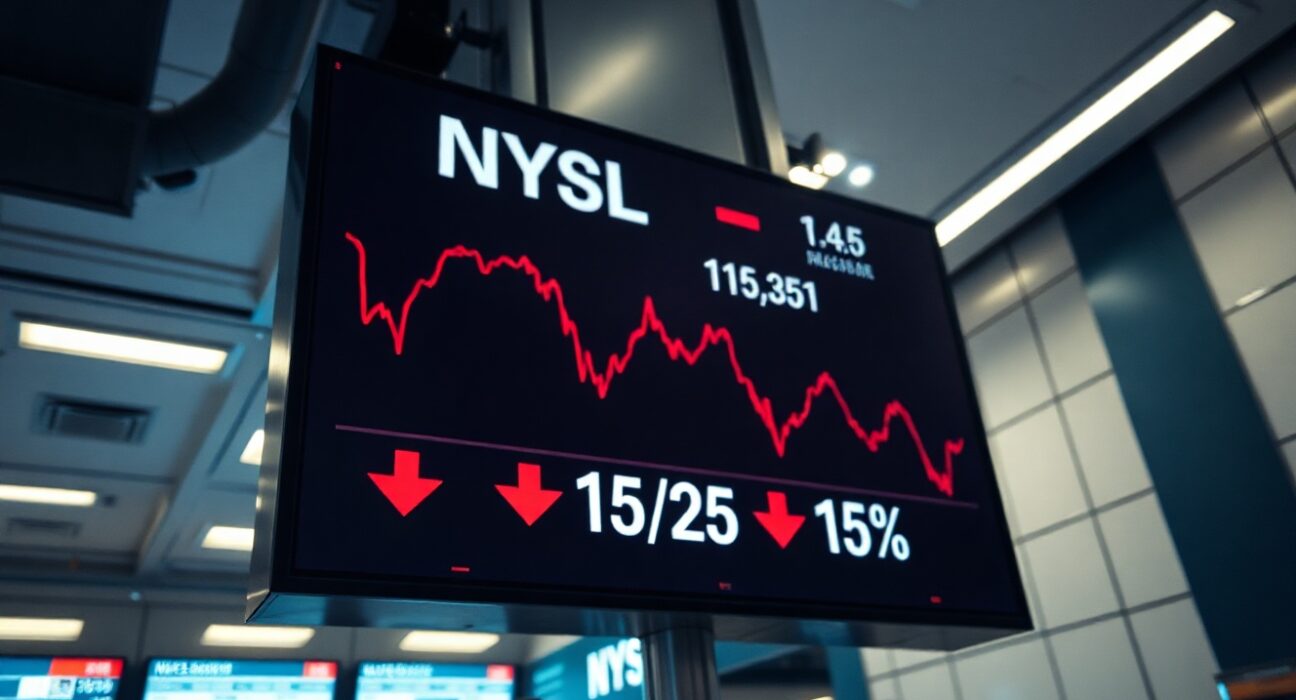
Dow Jones futures slipped in early trading on Wednesday as investors turned cautious ahead of the release of closely watched US inflation data. The market is bracing for the latest Consumer Price Index (CPI) report, which is expected to provide critical clues about the Federal Reserve’s next moves on interest rates.
Market Sentiment Cautious Ahead of CPI Release
Futures contracts tied to the Dow Jones Industrial Average declined by roughly 0.2% in pre-market action, reflecting a wait-and-see attitude among traders. The S&P 500 and Nasdaq futures also traded in negative territory, suggesting a broad risk-off tone across equity markets. The cautious positioning comes after a period of mixed economic signals, including resilient labor market data and lingering concerns about sticky inflation.
The January CPI report, scheduled for release at 8:30 a.m. Eastern Time, is forecast to show a modest increase in consumer prices. Economists polled by major financial data providers expect headline inflation to rise 0.3% month-over-month, with the annual rate holding steady around 3.1%. Core CPI, which excludes volatile food and energy prices, is projected to rise 0.3% monthly and 3.8% annually.
Why This Data Matters for Markets
The inflation reading carries outsized importance because it arrives at a pivotal moment for Federal Reserve policy. The central bank has maintained a higher-for-longer interest rate stance, pushing back against market expectations for early rate cuts. A hotter-than-expected CPI print could reinforce that hawkish posture, potentially delaying any rate cuts until later in the year or even into 2025.
Conversely, a softer inflation number could revive hopes that the Fed will begin easing monetary policy sooner, providing a tailwind for equities. Bond yields, which have been volatile in recent weeks, are also likely to react sharply to the data, influencing borrowing costs and corporate earnings outlooks.
Broader Implications for Investors
For retail and institutional investors alike, the CPI report is more than just a headline number. It shapes the trajectory of interest rates, which in turn affects everything from mortgage rates to corporate borrowing costs and stock valuations. Sectors particularly sensitive to interest rates, such as real estate, utilities, and financials, could see notable moves depending on the outcome.
The Dow Jones, composed of 30 large-cap US companies, is especially exposed to economic trends and consumer spending patterns. A sustained inflation surprise could pressure profit margins and dampen consumer confidence, weighing on the index’s performance in the near term.
Conclusion
Dow Jones futures are pointing to a lower open as Wall Street holds its breath for the latest US inflation data. The CPI release will be a defining moment for short-term market direction, influencing expectations for Federal Reserve policy and broader risk appetite. Investors should prepare for potential volatility and monitor the data closely for signals about the path of interest rates and economic growth.
FAQs
Q1: What is the Consumer Price Index (CPI) and why does it matter for the stock market?
The CPI measures the average change in prices paid by consumers for goods and services. It is a key inflation gauge that influences Federal Reserve interest rate decisions, which in turn affect stock market valuations, borrowing costs, and investor sentiment.
Q2: How might a higher-than-expected CPI reading affect Dow Jones futures?
A higher CPI could reinforce expectations that the Fed will keep interest rates elevated for longer, potentially weighing on stock prices as investors adjust their outlook for corporate earnings and economic growth. Dow futures would likely decline further in such a scenario.
Q3: When is the next Federal Reserve meeting and how does it relate to this inflation data?
The Federal Reserve’s next policy meeting is scheduled for March 19-20, 2024. The January CPI report is one of the key data points the Fed will consider when deciding whether to hold, cut, or raise interest rates. Stronger inflation reduces the likelihood of rate cuts, while weaker inflation could open the door for easing.
Disclaimer: The information provided is not trading advice, Bitcoinworld.co.in holds no liability for any investments made based on the information provided on this page. We strongly recommend independent research and/or consultation with a qualified professional before making any investment decisions.
