

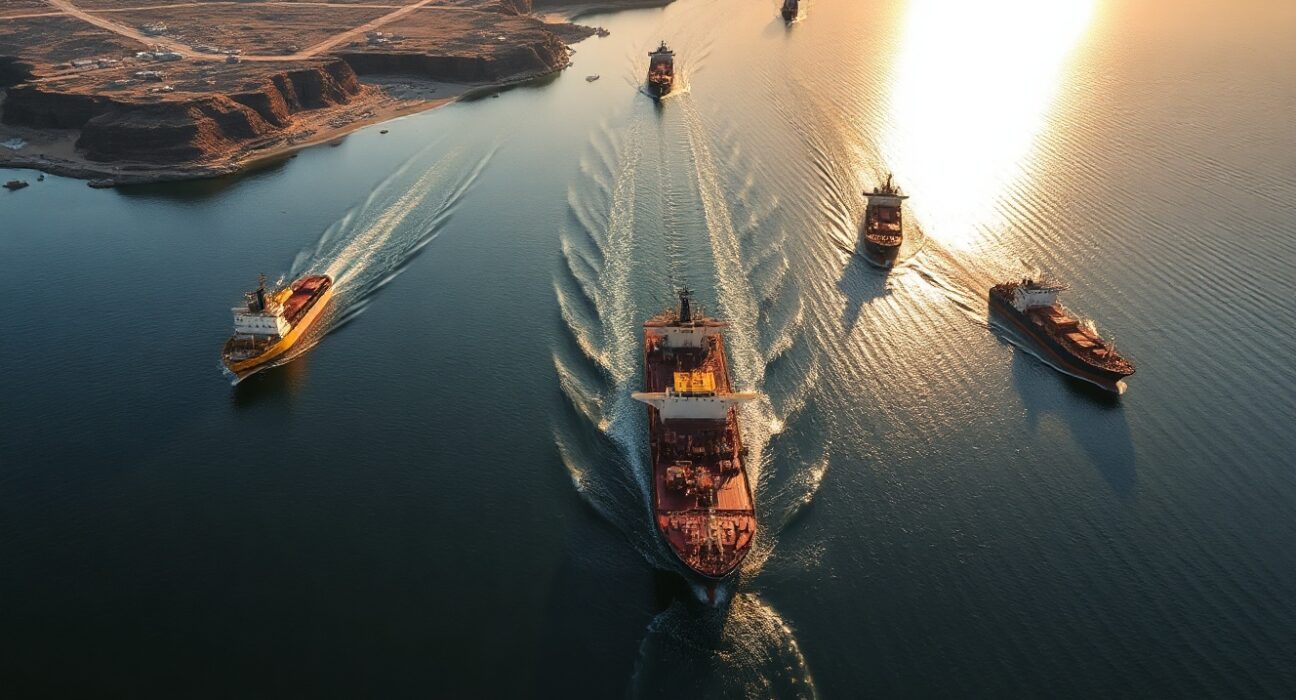
Washington, D.C. — In a recent briefing, U.S. President Donald Trump highlighted the strategic significance of the Strait of Hormuz, stating that more than 100 million barrels of oil pass through the narrow waterway daily. The remarks, delivered during a security update, underscore the chokepoint’s critical role in global energy markets and the ongoing geopolitical tensions surrounding its control.
The Strait’s Role in Global Oil Supply
The Strait of Hormuz, connecting the Persian Gulf to the Gulf of Oman, is the world’s most important oil transit chokepoint. According to the U.S. Energy Information Administration (EIA), approximately 20% of the world’s petroleum—and nearly 30% of all seaborne-traded crude—flows through this 33-kilometer-wide passage. President Trump’s figure of over 100 million barrels per day aligns with broader estimates of total petroleum and refined products moving through the strait, though exact daily volumes fluctuate with global demand and production levels.
Geopolitical and Economic Implications
The briefing comes amid heightened regional tensions, including ongoing disputes between Iran and Western powers over nuclear negotiations and maritime security. Any disruption to the Strait of Hormuz could trigger a sharp spike in global oil prices, affecting economies worldwide. The United States has maintained a naval presence in the region to ensure freedom of navigation, a policy that has been a cornerstone of U.S. foreign policy in the Middle East for decades.
What This Means for Energy Markets
For traders, policymakers, and consumers, the President’s remarks serve as a reminder of the fragile infrastructure underpinning global energy supply. While no immediate threat to shipping has been identified, the briefing signals that the administration is closely monitoring the situation. Analysts suggest that any escalation in the region could lead to emergency oil reserve releases or diplomatic interventions to stabilize markets.
Conclusion
The Strait of Hormuz remains a linchpin of global energy security. President Trump’s briefing reaffirms the U.S. government’s focus on maintaining open sea lanes and the high stakes involved for the international community. As geopolitical dynamics evolve, the world will watch closely for any developments that could alter the flow of oil through this critical passage.
FAQs
Q1: How much oil actually passes through the Strait of Hormuz each day?
According to the U.S. Energy Information Administration, about 17 million barrels of crude oil and petroleum products transit the strait daily, though total volumes including LNG and other liquids can exceed 20 million barrels per day. President Trump’s reference to over 100 million barrels may include broader estimates of all liquid hydrocarbons and related products.
Q2: What countries rely most on the Strait of Hormuz for oil imports?
Major importers include Japan, India, South Korea, and China, which together receive the majority of crude from Persian Gulf producers like Saudi Arabia, Iraq, the UAE, and Kuwait. The strait is also vital for Qatar’s LNG exports.
Q3: Could the Strait of Hormuz be blocked, and what would happen?
While a full blockade is considered unlikely due to the U.S. and allied naval presence, even a temporary disruption—from military conflict or accidents—could send oil prices soaring by 20-30% or more, potentially triggering a global recession. Strategic petroleum reserves exist in many countries as a buffer.
Disclaimer: The information provided is not trading advice, Bitcoinworld.co.in holds no liability for any investments made based on the information provided on this page. We strongly recommend independent research and/or consultation with a qualified professional before making any investment decisions.
