

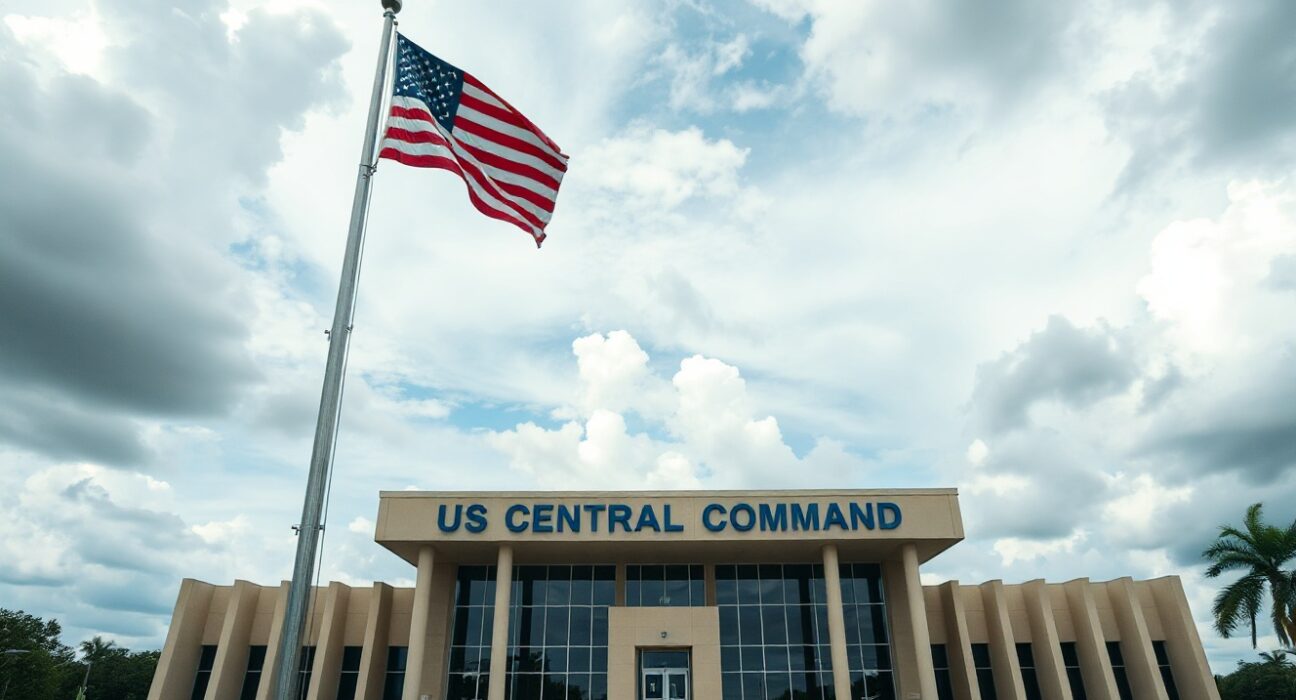
U.S. Secretary of Defense Pete Hegseth issued a stark warning to Iran on June 10, stating that the United States military is prepared to launch a powerful strike if Tehran fails to agree to a diplomatic resolution to the ongoing conflict. Speaking to troops at U.S. Central Command (CENTCOM) in Tampa, Florida, Hegseth emphasized that the Trump administration is focused on achieving decisive outcomes for the American people.
Context of the Warning
Hegseth’s remarks came during a visit to CENTCOM, the nerve center for U.S. military operations in the Middle East. According to a CNN report, Hegseth told assembled service members that President Donald Trump is ‘fully focused on the outcome he wants’ and is already seeing significant results. The Defense Secretary echoed Trump’s own comments made earlier that day, in which the president vowed to ‘hit them hard’ if Iran does not come to the negotiating table. This marks an escalation in rhetoric, as the administration appears to be setting a firm deadline for diplomatic engagement.
Implications for Regional Stability
The warning adds to mounting tensions in the Persian Gulf, where the U.S. maintains a significant military presence. Iran has not publicly responded to the latest ultimatum, but past exchanges have seen Tehran dismiss similar threats as psychological warfare. Analysts suggest that a failure to reach a deal could trigger a broader confrontation, potentially disrupting global oil markets and drawing in regional allies. The timing is also critical, as the Trump administration continues to pursue a ‘maximum pressure’ campaign against Iran, including economic sanctions and military posturing.
What This Means for Readers
For the average American, this development signals a hardening of U.S. foreign policy in the Middle East. The threat of military action raises the stakes for diplomatic talks, which have been stalled for months. It also underscores the administration’s willingness to use force as a tool of negotiation. Investors and energy markets should monitor the situation closely, as any military engagement could cause volatility in oil prices and global supply chains.
Conclusion
Secretary Hegseth’s warning represents a clear escalation in the Trump administration’s approach to Iran. With the president publicly backing the threat, the coming weeks will be critical in determining whether diplomacy prevails or the region slides toward conflict. The situation remains fluid, and further developments are expected as both sides weigh their next moves.
FAQs
Q1: What exactly did Secretary Hegseth say about Iran?
Hegseth stated that the U.S. military would launch a ‘strong strike’ against Iran if it does not agree to end its conflict with the United States, echoing President Trump’s earlier comments about hitting Iran ‘hard’ if no deal is reached.
Q2: Where did Hegseth make these remarks?
He made the remarks on June 10 while speaking to troops at U.S. Central Command in Tampa, Florida, the military headquarters overseeing operations in the Middle East.
Q3: Why is this warning significant now?
The warning comes amid stalled diplomatic talks and a renewed ‘maximum pressure’ campaign by the Trump administration. It signals a potential shift from economic sanctions to direct military action, raising the risk of a broader regional conflict.
Disclaimer: The information provided is not trading advice, Bitcoinworld.co.in holds no liability for any investments made based on the information provided on this page. We strongly recommend independent research and/or consultation with a qualified professional before making any investment decisions.
