

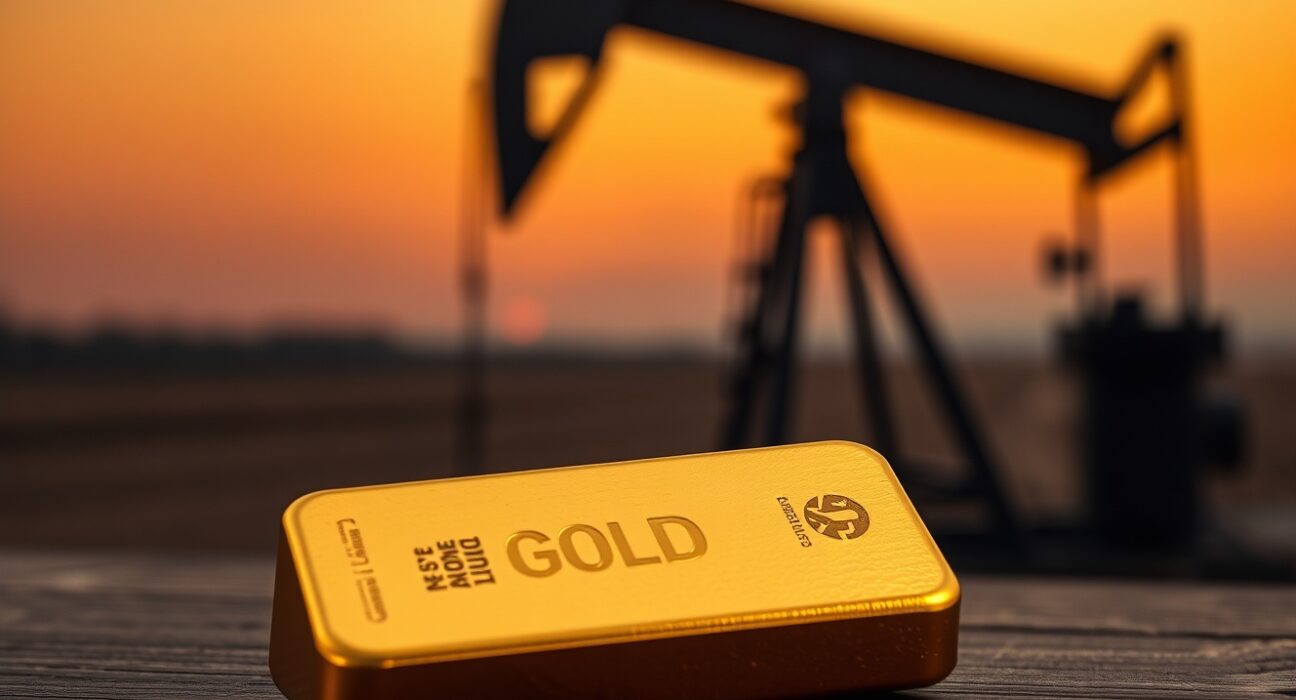
Gold prices declined on [DATE] as escalating Middle East tensions pushed oil prices higher and strengthened expectations for further Federal Reserve interest rate hikes, creating a complex trading environment for precious metals. The precious metal, traditionally viewed as a safe-haven asset, faced headwinds from a stronger dollar and rising bond yields.
Middle East Conflict Boosts Oil, Pressures Gold
Renewed geopolitical instability in the Middle East has driven crude oil prices upward, with Brent crude and West Texas Intermediate (WTI) benchmarks posting gains. Higher oil prices typically fuel inflation concerns, which in turn reinforce the case for the Federal Reserve to maintain its aggressive monetary tightening cycle. This dynamic has weighed on gold, which struggles to compete with interest-bearing assets when rates rise.
Fed Rate Hike Expectations Tighten
Market participants are increasingly pricing in another rate hike from the Fed at its upcoming meeting, following stronger-than-expected economic data and persistent inflation readings. The CME FedWatch Tool now shows a [PERCENTAGE]% probability of a [SIZE] basis point increase. Higher interest rates increase the opportunity cost of holding non-yielding assets like gold, prompting investors to rotate into dollar-denominated instruments.
Impact on Investor Portfolios
For investors, the current environment presents a classic conflict between gold’s safe-haven appeal and the headwinds from monetary policy. While geopolitical risks can temporarily boost gold prices, sustained pressure from a hawkish Fed and a strong dollar limits upside potential. Analysts suggest that gold may remain range-bound until clearer signals emerge on both the geopolitical front and the Fed’s policy path.
Conclusion
The interplay between rising oil prices, Middle East tensions, and Fed rate hike expectations has created a challenging backdrop for gold. While the metal retains its long-term store of value, short-term momentum favors the dollar and yield-bearing assets. Traders will closely monitor upcoming economic data and central bank commentary for further direction.
FAQs
Q1: Why does gold fall when oil prices rise?
Higher oil prices can stoke inflation, prompting central banks like the Federal Reserve to raise interest rates. Higher rates make non-yielding gold less attractive compared to interest-bearing assets, leading to price declines.
Q2: How do Middle East tensions affect gold and oil differently?
Middle East conflicts typically boost oil prices due to supply disruption fears. Gold, while a safe-haven, can suffer if the same tensions lead to a stronger dollar and higher rate expectations, which are negative for the metal.
Q3: Should investors buy gold during geopolitical crises?
Gold can provide portfolio protection during crises, but its performance depends on the broader macroeconomic response. If central banks raise rates to combat inflation triggered by higher energy costs, gold may underperform in the short term.
Disclaimer: The information provided is not trading advice, Bitcoinworld.co.in holds no liability for any investments made based on the information provided on this page. We strongly recommend independent research and/or consultation with a qualified professional before making any investment decisions.
