

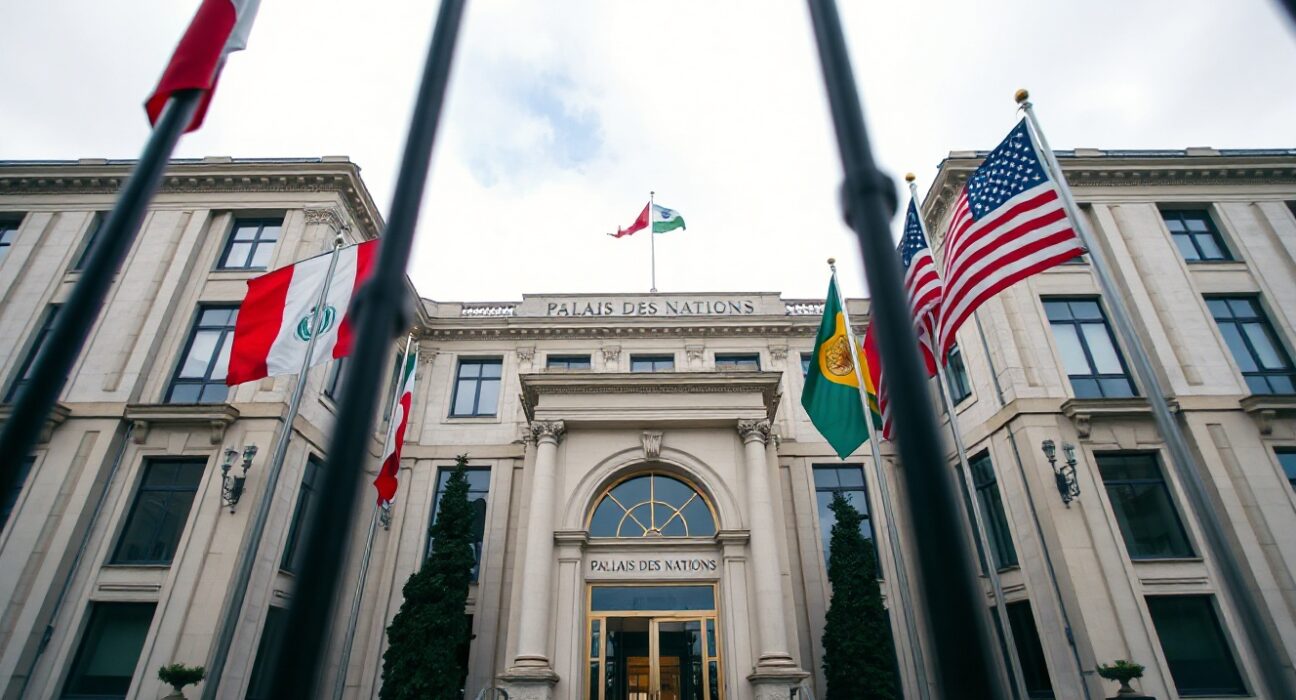
A source within Iran has categorically denied reports circulating in international media that a potential agreement between the United States and Iran was reached during talks in Geneva. The denial, first reported by Walter Bloomberg, directly contradicts earlier claims from multiple outlets that the two countries were on the verge of a deal concerning the reopening of the Strait of Hormuz, a critical maritime chokepoint for global oil shipments.
Background of the Geneva Talks
The reports of a potential agreement emerged in the lead-up to the G7 summit, with some sources suggesting that a framework for de-escalation in the Persian Gulf was being discussed. The Strait of Hormuz, through which about 20% of the world’s oil passes, has been a focal point of tensions between Iran and the United States for years. Any agreement to secure its reopening would have significant implications for global energy markets and geopolitical stability.
Official Denial and Analysis
The Iranian source’s denial is firm, stating that the reports are “completely false.” This development underscores the volatility of information surrounding diplomatic negotiations, where leaks and counter-leaks are common. It also highlights the deep mistrust between the two nations, which have not had formal diplomatic relations since 1980. The denial suggests that either the earlier reports were based on misinterpreted signals or that negotiations have not yet reached a stage where a deal is imminent.
Why This Matters
For readers, this story is crucial because it directly affects global oil prices, shipping routes, and the broader security landscape of the Middle East. A confirmed deal would have been a major diplomatic breakthrough, potentially lowering tensions and stabilizing energy markets. The denial, however, means that the status quo of uncertainty and risk remains. Investors, policymakers, and consumers should monitor this situation closely, as any escalation or de-escalation in the region can have rapid economic consequences.
Conclusion
While the Iranian denial casts doubt on the veracity of earlier reports, the situation remains fluid. The lack of an official comment from the United States or international mediators leaves room for further clarification. As with many diplomatic stories, the truth may lie somewhere between the initial reports and the subsequent denial. Readers are advised to await confirmation from official channels before drawing conclusions.
FAQs
Q1: What is the Strait of Hormuz and why is it important?
A1: The Strait of Hormuz is a narrow waterway between Iran and Oman, connecting the Persian Gulf to the Gulf of Oman and the Arabian Sea. It is a vital transit route for about 20% of the world’s oil supply, making it a critical chokepoint for global energy security.
Q2: What was the reported deal about?
A2: According to earlier reports, the potential deal involved the United States and Iran agreeing to reopen the Strait of Hormuz to safe passage for oil tankers, possibly in exchange for some form of sanctions relief or security guarantees. The Iranian source has now denied these reports.
Q3: How does this affect global oil prices?
A3: Any disruption or resolution regarding the Strait of Hormuz directly impacts oil prices. A confirmed deal would likely lower prices by reducing risk premiums, while a denial or escalation could increase volatility and push prices higher. Traders and analysts will be watching for further developments.
Disclaimer: The information provided is not trading advice, Bitcoinworld.co.in holds no liability for any investments made based on the information provided on this page. We strongly recommend independent research and/or consultation with a qualified professional before making any investment decisions.
