

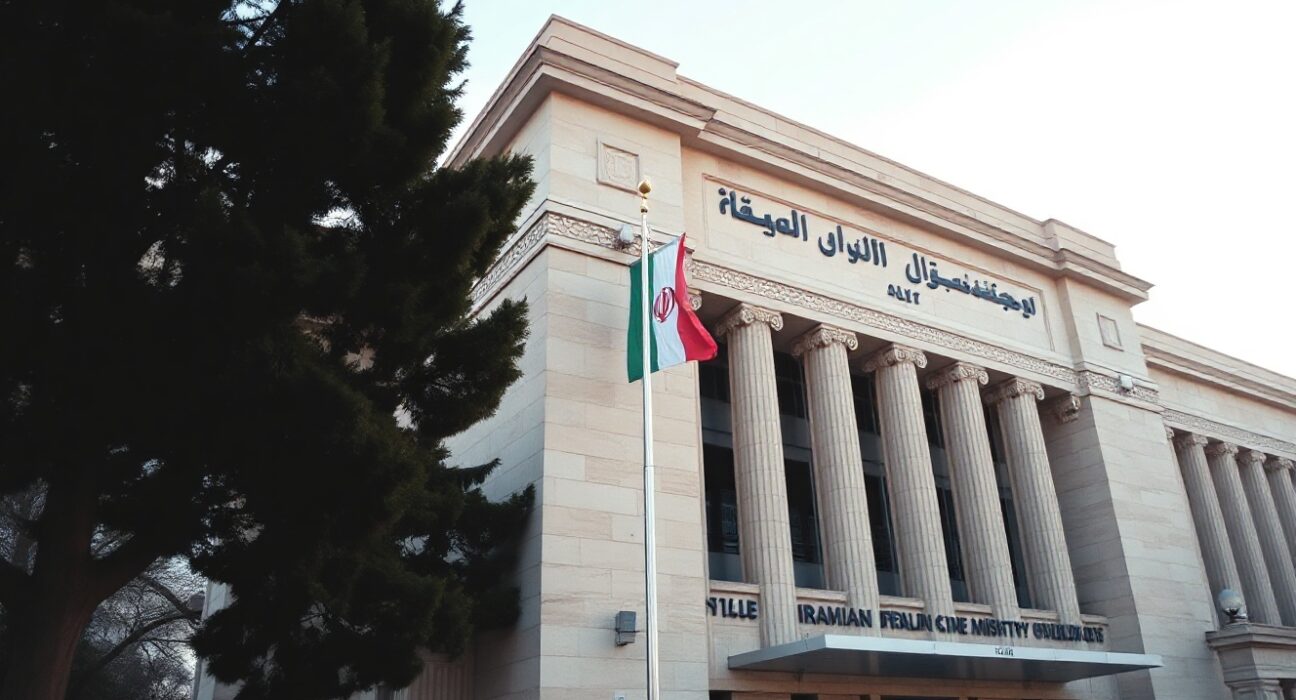
Iran’s Foreign Ministry spokesperson, Esmail Baghaei, stated on June 13 that the specific signing date for the Iran-U.S. Memorandum of Understanding (MOU) will not be June 14, according to Iranian media reports. The clarification comes amid growing speculation and conflicting reports about the status of bilateral negotiations.
Background of the MOU and Diplomatic Context
The MOU between Iran and the United States has been a topic of intense diplomatic discussion, with potential implications for regional stability and international agreements. The agreement, reportedly covering areas of mutual interest, has faced delays and uncertainties, reflecting the complex nature of U.S.-Iran relations. The June 14 date had been widely circulated in some media outlets, but the Foreign Ministry’s statement directly refutes that timeline.
Implications for Future Negotiations
The denial of a June 14 signing does not necessarily indicate a breakdown in talks, but it does highlight the ongoing challenges in finalizing the agreement. Analysts suggest that the delay could be due to technical, political, or procedural hurdles. The lack of a confirmed date adds a layer of uncertainty for markets and regional observers who have been monitoring the potential impact of the MOU on oil prices, sanctions, and broader geopolitical alignments.
Why This Matters for Readers
For those following international diplomacy, the Iran-U.S. MOU represents a key test of whether the two nations can find common ground on contentious issues. The outcome could affect energy markets, security dynamics in the Middle East, and the future of nuclear negotiations. The Foreign Ministry’s statement serves as a reminder that diplomatic timelines are often fluid and subject to change.
Conclusion
Iran’s official denial of a June 14 signing date for the U.S. MOU underscores the unpredictable nature of high-stakes diplomacy. While the talks continue, the absence of a confirmed date leaves room for further speculation and analysis. Readers should monitor official statements from both sides for accurate updates.
FAQs
Q1: What is the Iran-U.S. MOU?
The MOU is a proposed Memorandum of Understanding between Iran and the United States, reportedly covering diplomatic and economic issues, though specific details have not been officially disclosed.
Q2: Why was June 14 mentioned as a possible signing date?
The date appeared in some media reports based on unnamed sources, but the Iranian Foreign Ministry has now officially denied that June 14 is the planned signing date.
Q3: How might this delay affect international relations?
The delay could prolong uncertainty in diplomatic relations, potentially affecting regional stability, oil markets, and the timeline for broader negotiations, including those related to nuclear programs.
Disclaimer: The information provided is not trading advice, Bitcoinworld.co.in holds no liability for any investments made based on the information provided on this page. We strongly recommend independent research and/or consultation with a qualified professional before making any investment decisions.
