

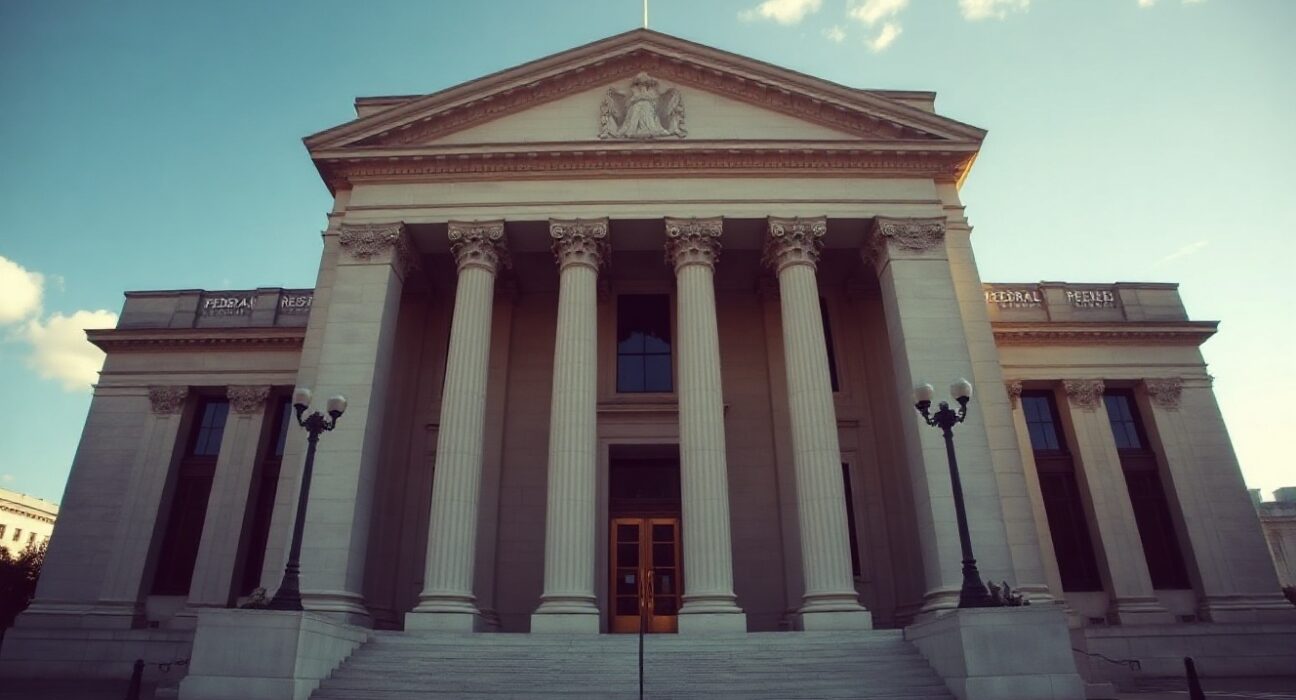
The US Dollar has maintained its recent trading range following the Federal Reserve’s decision to hold interest rates steady at its latest policy meeting, according to analysts at Brown Brothers Harriman (BBH). The move, widely anticipated by markets, reinforces the central bank’s cautious approach amid mixed economic signals.
Fed’s Steady Hand Supports Dollar
The Federal Reserve’s decision to keep the federal funds rate unchanged at the current level was accompanied by a statement that emphasized data-dependency and patience. BBH analysts noted that the lack of hawkish or dovish surprises provided a floor for the US Dollar, as traders had already priced in the hold. The currency index, which measures the greenback against a basket of major peers, edged slightly higher in the session following the announcement.
This policy stance comes as inflation remains above the Fed’s 2% target, though it has moderated from peak levels. The labor market continues to show resilience, with unemployment near historic lows. The central bank’s forward guidance did not signal an imminent shift, leaving the door open for potential rate adjustments later in the year depending on incoming data.
Market Implications and Global Context
The dollar’s stability has implications for global currency markets, particularly for emerging economies that rely on dollar-denominated debt. A steady dollar reduces volatility in cross-border capital flows and trade pricing. BBH’s analysis highlights that the dollar’s resilience also reflects relative economic strength compared to other major economies, including the Eurozone and Japan, where central banks maintain more accommodative stances.
Currency traders are now focusing on upcoming US economic data releases, including employment figures and consumer price index readings, for clues on the Fed’s next move. The dollar’s direction in the near term will likely depend on whether the economy shows signs of slowing or reaccelerating.
What This Means for Investors
For investors holding dollar-based assets or engaging in forex trading, the Fed’s steady policy reduces near-term uncertainty. However, the risk of a policy pivot remains if inflation proves stickier than expected or if economic growth falters. BBH recommends monitoring wage growth and services inflation as key indicators.
Conclusion
The Federal Reserve’s decision to hold rates, as assessed by BBH, has provided short-term support for the US Dollar. While the currency is unlikely to see dramatic moves without fresh catalysts, the current environment favors a cautious, data-driven approach. The dollar’s role as a safe-haven asset continues to underpin its value amid global economic crosscurrents.
FAQs
Q1: Why did the Federal Reserve hold interest rates steady?
The Fed held rates to assess the impact of previous tightening on inflation and economic growth, while waiting for clearer data on whether price pressures are sustainably declining toward its 2% target.
Q2: How does a Fed rate hold affect the US Dollar?
A rate hold typically supports the dollar by signaling policy stability, reducing uncertainty for traders. It can also make dollar-denominated assets more attractive compared to currencies from economies with lower yields.
Q3: What should forex traders watch next?
Traders should monitor upcoming US employment reports, CPI data, and Fed speeches for hints about future policy moves. Any deviation from expectations could trigger dollar volatility.
Disclaimer: The information provided is not trading advice, Bitcoinworld.co.in holds no liability for any investments made based on the information provided on this page. We strongly recommend independent research and/or consultation with a qualified professional before making any investment decisions.
