

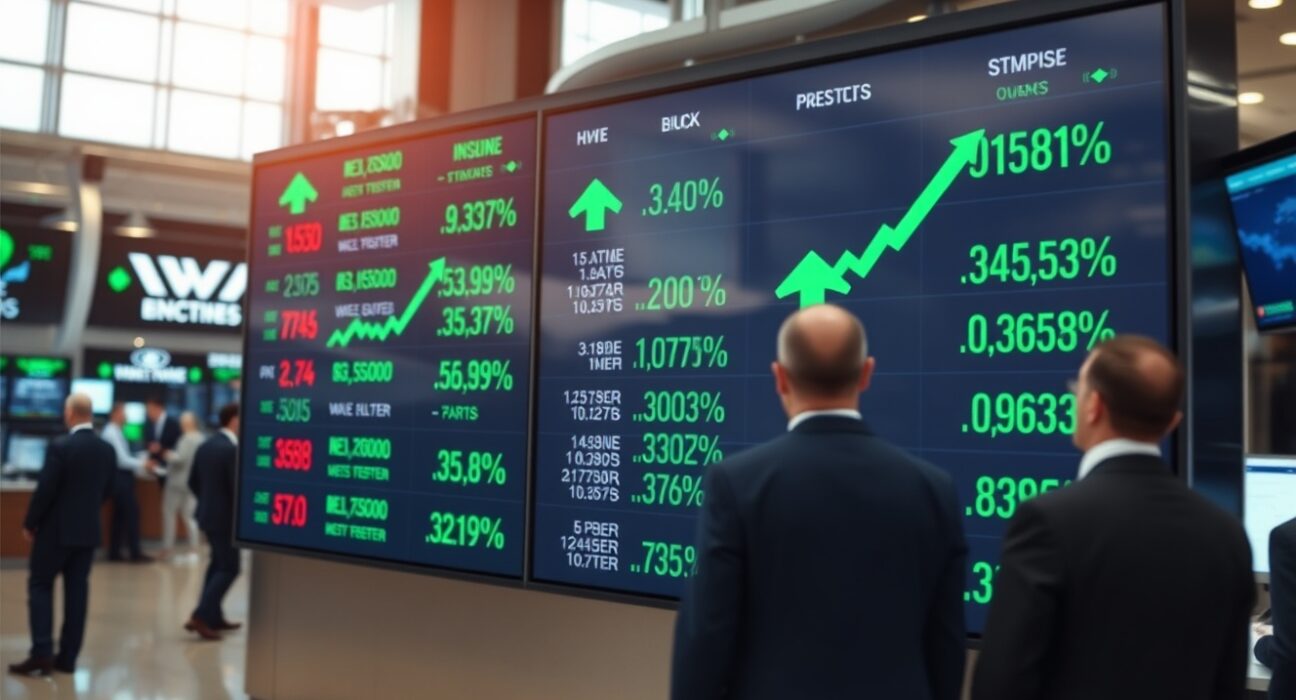
Stock futures tied to the Dow Jones Industrial Average moved higher in early trading on Monday, as signs of de-escalation in the Middle East provided a boost to investor sentiment. The positive shift in futures trading reflects a market recalibrating risk premiums after a period of heightened geopolitical uncertainty.
Market Reaction to Geopolitical Developments
The uptick in Dow futures comes amid reports suggesting a potential easing of tensions between key regional actors in the Middle East. While details remain fluid, the mere prospect of reduced hostilities has been enough to trigger a broad-based rally in equity futures, with S&P 500 and Nasdaq futures also posting gains. Historically, markets have shown a pattern of sharp relief rallies when geopolitical risks subside, as investors rotate back into risk-on assets.
Broader Market Context and Key Drivers
The move higher in futures is also supported by a corresponding dip in crude oil prices, which had spiked on fears of supply disruptions. A decline in oil prices is generally viewed as a positive for equity markets, as it reduces input costs for businesses and eases inflationary pressures. Additionally, safe-haven assets such as gold and the U.S. dollar have seen modest pullbacks, further confirming a shift in market mood.
What This Means for Investors
For traders and long-term investors alike, the current environment underscores the importance of monitoring geopolitical headlines. While a single day of futures gains does not confirm a sustained rally, it does suggest that the market is pricing in a lower probability of a prolonged conflict. However, analysts caution that the situation remains fragile, and any reversal in diplomatic signals could quickly reverse these gains. The focus now shifts to upcoming economic data and corporate earnings, which will provide the next catalyst for direction.
Conclusion
The rise in Dow Jones futures driven by easing Middle East tensions highlights how quickly market sentiment can pivot on geopolitical news. While the immediate reaction is positive, the sustainability of this move will depend on concrete and lasting developments in the region. Investors are advised to stay informed and maintain a balanced perspective as the situation evolves.
FAQs
Q1: Why do stock futures rise when geopolitical tensions ease?
Stock futures rise because lower geopolitical risk reduces uncertainty, encouraging investors to move capital from safe-haven assets back into equities, which are perceived as higher-risk but higher-reward investments.
Q2: How do Middle East tensions typically affect oil prices?
Middle East tensions often lead to higher oil prices due to fears of supply disruptions from one of the world’s key oil-producing regions. When tensions ease, oil prices usually decline as the supply risk premium dissipates.
Q3: Is a rise in Dow futures a reliable indicator of market direction?
While Dow futures provide an early indication of market sentiment before the regular trading session opens, they are not always a perfect predictor of the day’s close. Futures can be volatile and may change direction based on new information or economic data releases.
Disclaimer: The information provided is not trading advice, Bitcoinworld.co.in holds no liability for any investments made based on the information provided on this page. We strongly recommend independent research and/or consultation with a qualified professional before making any investment decisions.
