

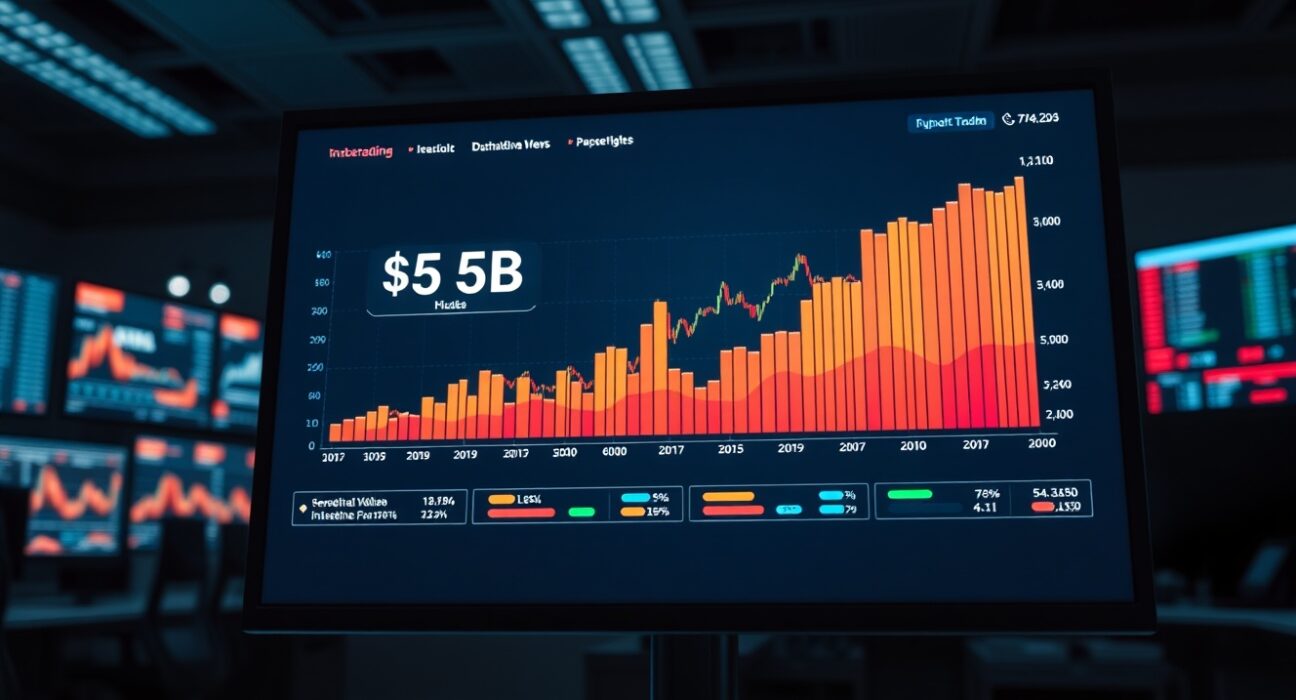
The combined monthly trading volume on prediction market platforms Kalshi and Polymarket surged 75% in June compared to May, reaching approximately $45 billion, according to data reported by The Block. The sharp increase highlights a growing appetite for event-driven contracts among both retail and institutional traders.
Record-Breaking Month for Event Contracts
June’s volume marks a significant milestone for the prediction market sector, which has historically operated in a niche regulatory environment. Kalshi, a U.S.-regulated exchange for event contracts, and Polymarket, a decentralized platform built on the Polygon blockchain, together processed tens of billions in trades covering everything from political outcomes to economic indicators and entertainment events.
The 75% month-over-month surge outpaced typical seasonal growth patterns. Analysts point to several catalysts: heightened interest in the upcoming U.S. presidential election cycle, increased volatility in macroeconomic forecasts, and growing acceptance of prediction markets as alternative data sources for institutional investors.
Kalshi and Polymarket: Different Models, Same Growth Trajectory
Kalshi operates under the oversight of the Commodity Futures Trading Commission (CFTC), offering regulated event contracts to U.S. customers. Its compliance-focused approach has attracted traditional traders seeking a legal framework for betting on real-world events. In June, Kalshi reported its highest monthly volume since launch, driven by contracts on interest rate decisions, employment data, and election probabilities.
Polymarket, by contrast, is a decentralized platform that uses blockchain technology to facilitate peer-to-peer trading without a central intermediary. While it remains inaccessible to U.S. users due to regulatory restrictions, it has seen explosive growth internationally, particularly among crypto-native traders and data-driven speculators. Polymarket’s June volume was bolstered by high-profile markets on the U.S. presidential election and European political developments.
Why This Matters for Traders and Investors
The surge in prediction market volume signals a broader shift in how market participants seek information and hedge risk. Unlike traditional polling or expert surveys, prediction markets aggregate real-time capital allocation, often proving more accurate than conventional forecasting methods. For traders, these platforms offer a way to express views on non-financial events and to diversify beyond traditional asset classes.
Institutional interest is also rising. Several hedge funds and asset managers have begun monitoring prediction market data as a leading indicator for portfolio positioning. The $45 billion monthly volume figure, while still small compared to global equity or derivatives markets, represents a meaningful liquidity milestone that could attract further professional participation.
Regulatory Landscape and Future Outlook
Kalshi’s regulated status has been a double-edged sword: it provides legitimacy but also limits the types of contracts it can offer. Polymarket’s decentralized model allows for greater flexibility but carries regulatory risk, especially as U.S. authorities increase scrutiny of offshore crypto platforms. The CFTC has signaled interest in expanding the scope of permissible event contracts, which could benefit Kalshi, while Polymarket faces ongoing uncertainty about its long-term ability to serve U.S. users.
Despite these challenges, the trajectory is clear. Prediction markets are moving from a fringe curiosity to a mainstream financial tool. If June’s growth rate continues, combined monthly volume could approach $80 billion by the end of the summer, further cementing the sector’s role in the global trading ecosystem.
Conclusion
The 75% jump in combined trading volume on Kalshi and Polymarket to $45 billion in June underscores the rapid maturation of prediction markets. Driven by election cycles, economic uncertainty, and growing institutional acceptance, these platforms are becoming increasingly relevant for traders seeking alternative ways to hedge and speculate. The coming months will test whether this growth is sustainable and how regulators respond to the expanding market.
FAQs
Q1: What are prediction markets?
Prediction markets are platforms where traders buy and sell contracts based on the outcome of future events, such as election results, interest rate decisions, or sports outcomes. Prices reflect the market’s collective probability estimate for each outcome.
Q2: Why did volume surge in June?
Key drivers include increased trading on U.S. election-related contracts, heightened interest in macroeconomic forecasts amid changing interest rate expectations, and growing adoption by both retail and institutional traders seeking alternative data sources.
Q3: Are Kalshi and Polymarket legal?
Kalshi is regulated by the CFTC and operates legally in the United States. Polymarket is a decentralized platform accessible globally but is not available to U.S. users due to regulatory restrictions. Users should verify the legal status of prediction market trading in their jurisdiction.
Disclaimer: The information provided is not trading advice, Bitcoinworld.co.in holds no liability for any investments made based on the information provided on this page. We strongly recommend independent research and/or consultation with a qualified professional before making any investment decisions.
