

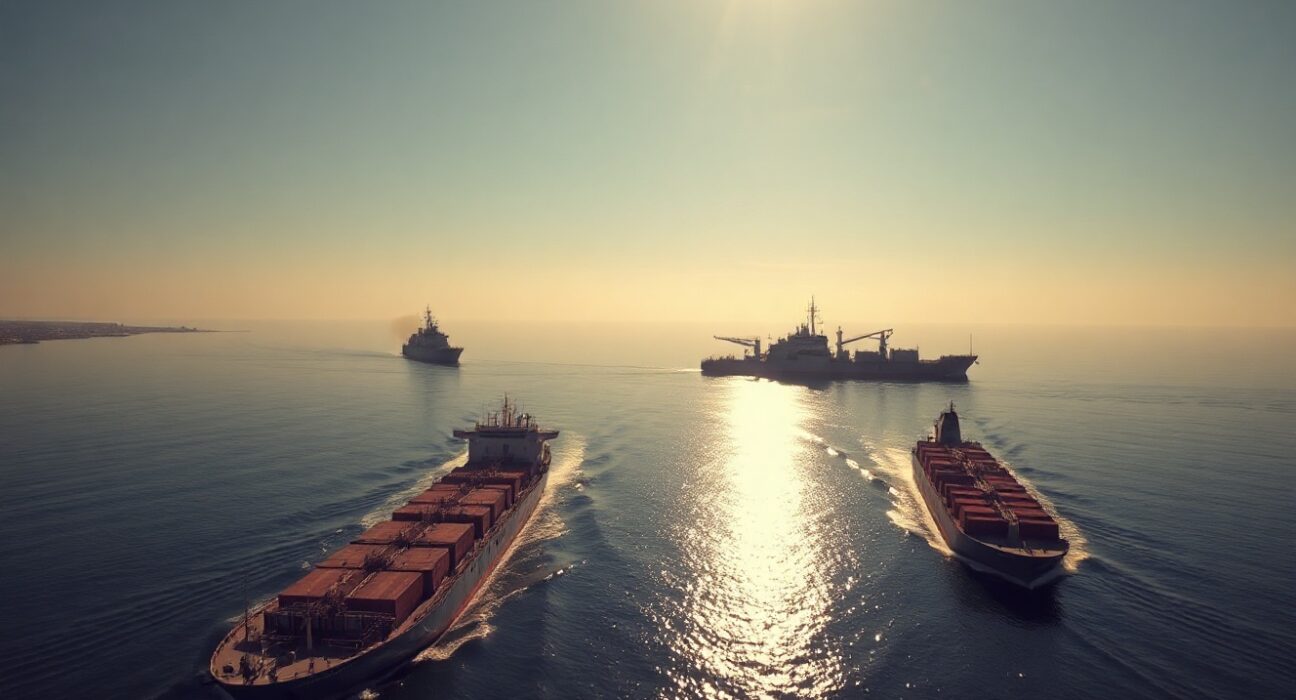
Iran has warned that it will close the Strait of Hormuz if the country faces a new attack, according to a report from state-run Press TV citing an unnamed source. The statement, which comes amid heightened tensions in the Middle East, has renewed global concerns over the security of one of the world’s most critical energy chokepoints.
Strategic Chokepoint Under Threat
The Strait of Hormuz, a narrow waterway between Iran and Oman, is a vital passage for approximately 20% of the world’s oil supply. Any disruption to shipping through the strait could have immediate and severe consequences for global energy markets, potentially driving up oil prices and threatening economic stability worldwide.
Iran’s warning is the latest in a series of escalating exchanges between Tehran and its adversaries. The threat to close the strait is not new; Iran has made similar statements during past periods of tension, including during the Iran-Iraq War in the 1980s and more recently in 2019 following the U.S. withdrawal from the nuclear deal. However, the current geopolitical climate, marked by ongoing conflicts in the region and a fragile global economy, makes this threat particularly concerning.
Market and Geopolitical Implications
The immediate impact of Iran’s statement has been felt in oil markets, where prices have already shown volatility. Analysts warn that a sustained closure could push crude oil prices above $100 per barrel, affecting everything from gasoline prices at the pump to the cost of goods transported by sea.
Beyond economics, the threat raises serious questions about regional security. The United States and its allies maintain a naval presence in the region to ensure freedom of navigation. Any attempt by Iran to enforce a blockade could lead to direct military confrontation, drawing in multiple nations and escalating into a broader conflict.
What the Threat Means for Global Energy Security
For energy-dependent nations, particularly in Asia and Europe, the Strait of Hormuz is a lifeline. Countries like Japan, South Korea, India, and China rely heavily on oil and liquefied natural gas (LNG) transiting through the strait. The threat of closure underscores the vulnerability of global energy supply chains to geopolitical disruptions and highlights the urgent need for diversification of energy sources and routes.
While Iran has not specified the conditions under which it would carry out the threat, the statement serves as a clear signal of Tehran’s willingness to use its strategic geographic position as leverage in any future conflict. The international community will be watching closely for any signs of actual military preparations near the strait.
Conclusion
Iran’s warning to close the Strait of Hormuz if attacked is a serious escalation in rhetoric with potentially far-reaching consequences for global energy markets and regional stability. While such threats have been made before, the current geopolitical context makes this statement particularly significant. The world’s dependence on this narrow waterway means that any disruption would be felt immediately, underscoring the fragile nature of global energy security.
FAQs
Q1: Why is the Strait of Hormuz so important?
The Strait of Hormuz is a narrow waterway connecting the Persian Gulf to the Arabian Sea. About 20% of the world’s oil and a significant amount of LNG passes through it daily, making it the most important oil chokepoint in the world.
Q2: Has Iran actually closed the Strait of Hormuz before?
Iran has threatened closure multiple times, most notably during the Iran-Iraq War and in 2019, but has never fully enforced a blockade. However, Iran has been involved in incidents where it seized or harassed commercial vessels in the strait.
Q3: What would happen if the Strait of Hormuz were closed?
A closure would likely cause a sharp spike in global oil prices, disrupt energy supplies to many countries, and could lead to military intervention by the U.S. and its allies to reopen the waterway. The economic impact would be severe and immediate.
Disclaimer: The information provided is not trading advice, Bitcoinworld.co.in holds no liability for any investments made based on the information provided on this page. We strongly recommend independent research and/or consultation with a qualified professional before making any investment decisions.
