

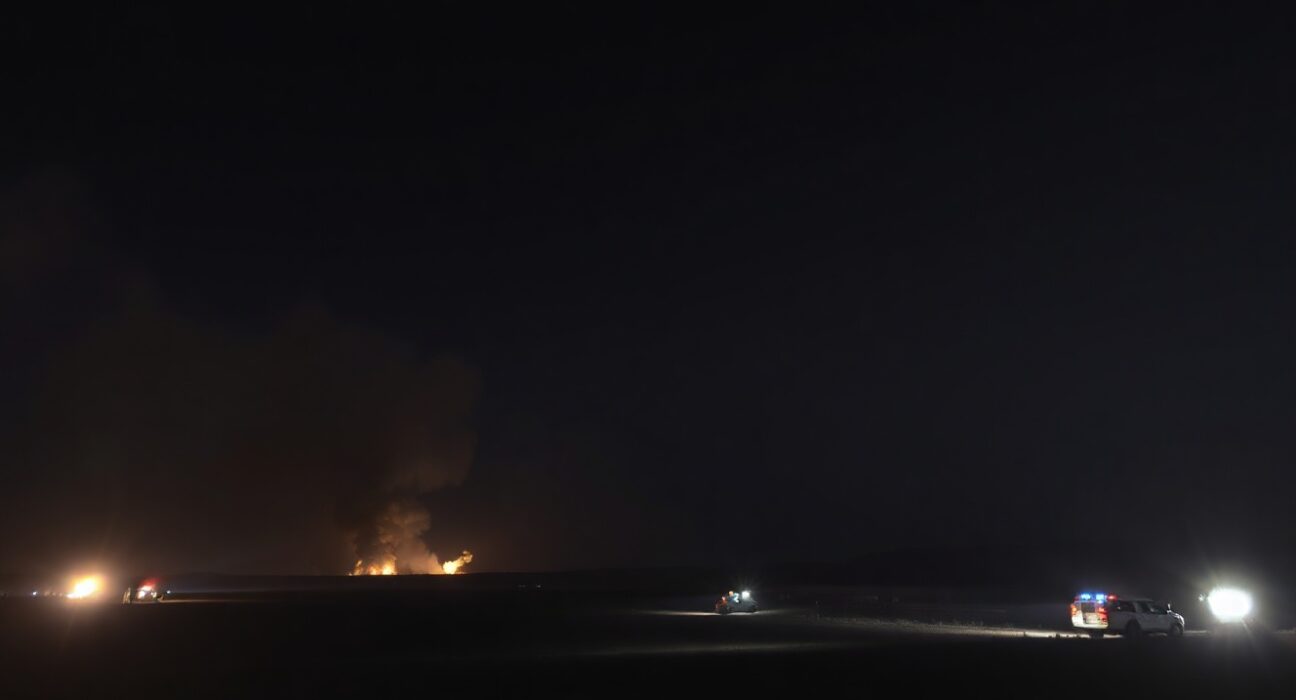
Iran’s Islamic Revolutionary Guard Corps (IRGC) has launched a large-scale missile barrage targeting U.S. military installations across the Persian Gulf, according to Iran’s ILNA news agency. The strikes mark a dramatic escalation in regional tensions, with explosions reported in southern Iran, Kuwait, and Jordan.
Missile Strikes and Reported Locations
ILNA reported that the IRGC fired a substantial number of missiles from multiple locations inside Iran toward U.S. bases in Arab nations bordering the Gulf. The agency did not specify the exact number of missiles or the precise targets. However, local media and eyewitness accounts describe explosions at several sites:
- Bushehr, Iran: Explosions were reported near the Bushehr nuclear power plant. Iranian officials have alleged that the area was shelled by U.S. forces, though this claim has not been independently verified.
- Ali Al Salem Air Base, Kuwait: Witnesses reported multiple explosions at this U.S.-used airbase in northern Kuwait.
- Kuwait port areas: Additional blasts were heard near commercial and military port facilities.
- Jordan: An Iranian missile reportedly struck an industrial complex in Jordan, though details remain unconfirmed.
U.S. Central Command (CENTCOM) has not yet issued an official statement. The Pentagon is assessing the situation, and regional allies have been placed on heightened alert.
Context and Escalation
This attack follows weeks of heightened rhetoric between Washington and Tehran. The IRGC has previously threatened to target U.S. assets in the region if American forces were involved in strikes on Iranian soil. The reported shelling near Bushehr — a site of strategic importance due to its nuclear reactor — may have served as a trigger for the Iranian response.
The Bushehr nuclear plant is under International Atomic Energy Agency (IAEA) safeguards, and any military activity near the site raises concerns about radiological safety. Iran has accused the U.S. of targeting the area, a claim Washington has not confirmed.
Implications for Regional Stability
The missile strikes represent the most direct military confrontation between Iran and the United States in years. Analysts warn that a sustained exchange could draw in Gulf Arab states, Iraq, and non-state actors aligned with Iran. The attacks also threaten global oil markets: the Strait of Hormuz, a critical chokepoint for petroleum shipments, lies within range of Iranian missile batteries.
International bodies, including the United Nations and the European Union, have called for immediate de-escalation. However, with both sides signaling readiness for further action, the situation remains fluid.
Conclusion
The IRGC’s large-scale missile launch against U.S. bases in the Gulf marks a dangerous turning point in an already volatile region. With explosions reported across multiple countries and conflicting narratives emerging from Tehran and Washington, independent verification remains limited. Readers should monitor official channels for confirmed updates as the situation develops.
FAQs
Q1: What triggered Iran’s missile attack on U.S. bases?
According to Iranian state media, the attack was a response to alleged U.S. shelling near the Bushehr nuclear power plant. The U.S. has not confirmed conducting any strikes in that area.
Q2: Which U.S. bases were targeted?
Reported targets include Ali Al Salem Air Base in Kuwait, port areas in Kuwait, and an industrial complex in Jordan. The full scope of the attack is still being assessed.
Q3: Is the Bushehr nuclear plant safe?
There are no confirmed reports of damage to the nuclear reactor. The IAEA has not issued any alert regarding radiological release, but the situation is being closely monitored.
Disclaimer: The information provided is not trading advice, Bitcoinworld.co.in holds no liability for any investments made based on the information provided on this page. We strongly recommend independent research and/or consultation with a qualified professional before making any investment decisions.
