

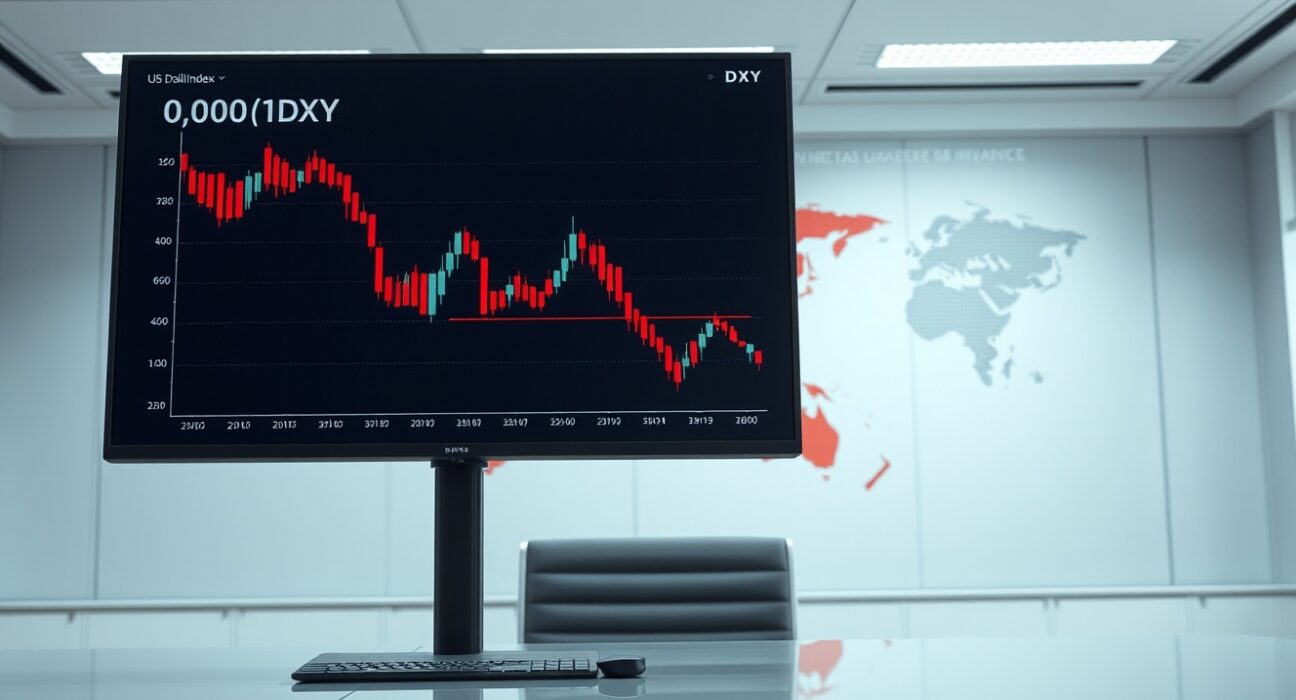
The US Dollar Index (DXY) has weakened to trade near the 101.00 mark, a decline that comes despite an escalation in geopolitical tensions across the Middle East. As of the latest trading session, the index, which measures the greenback against a basket of six major currencies, has slipped approximately 0.2% on the day, reflecting a complex interplay between safe-haven demand and shifting market expectations for Federal Reserve policy.
Geopolitical Tensions and Safe-Haven Dynamics
Typically, rising geopolitical risks—such as the recent intensification of conflict in the Middle East—drive investors toward safe-haven assets like the US dollar and gold. However, the current market reaction suggests a more nuanced scenario. While gold has rallied on the news, the dollar’s decline indicates that traders are focusing on other factors, including the potential for a prolonged conflict that could disrupt global trade and energy supplies, which may weigh on the US economy. The dollar’s recent weakness also reflects a broader trend of profit-taking after a strong run earlier in the year.
Federal Reserve Policy Expectations
A key driver behind the DXY’s movement is the shifting outlook for US interest rates. Market participants are increasingly pricing in the possibility that the Federal Reserve may cut rates sooner than previously anticipated, as recent economic data points to a cooling economy. Lower interest rates typically reduce the dollar’s appeal to foreign investors. The CME FedWatch Tool currently indicates a roughly 60% probability of a rate cut at the next meeting, up from 50% just a week ago. This expectation is putting downward pressure on the dollar, counteracting the safe-haven demand from the Middle East.
Impact on Global Markets
The weakening dollar has implications for global financial markets. A softer greenback makes dollar-denominated commodities like oil cheaper for holders of other currencies, which can support higher oil prices—a critical factor given the Middle East tensions. For emerging markets, a weaker dollar reduces debt servicing costs and can attract capital inflows. However, the uncertainty surrounding the geopolitical situation means that volatility is likely to persist. The DXY’s next key support level is around 100.50, with resistance at 101.50.
Conclusion
The US Dollar Index’s decline to near 101.00, despite heightened Middle East tensions, underscores a market that is balancing geopolitical risks against domestic monetary policy expectations. The interplay between safe-haven flows and Fed rate-cut bets will likely continue to drive the dollar’s direction in the near term. Traders should monitor both geopolitical developments and upcoming US economic data for further clues.
FAQs
Q1: What is the US Dollar Index (DXY)?
The US Dollar Index (DXY) measures the value of the US dollar relative to a basket of six major foreign currencies: the euro, Japanese yen, British pound, Canadian dollar, Swedish krona, and Swiss franc. It is a widely used benchmark for the dollar’s overall strength.
Q2: Why is the dollar falling despite Middle East tensions?
While geopolitical tensions typically boost safe-haven demand for the dollar, the current decline is largely driven by market expectations that the Federal Reserve may cut interest rates soon. Lower interest rates reduce the dollar’s yield advantage, making it less attractive to investors.
Q3: How does a weaker dollar affect oil prices?
A weaker dollar generally supports higher oil prices. Since oil is priced in dollars, a decline in the dollar’s value makes it cheaper for buyers using other currencies, increasing demand and pushing prices up.
Disclaimer: The information provided is not trading advice, Bitcoinworld.co.in holds no liability for any investments made based on the information provided on this page. We strongly recommend independent research and/or consultation with a qualified professional before making any investment decisions.
