

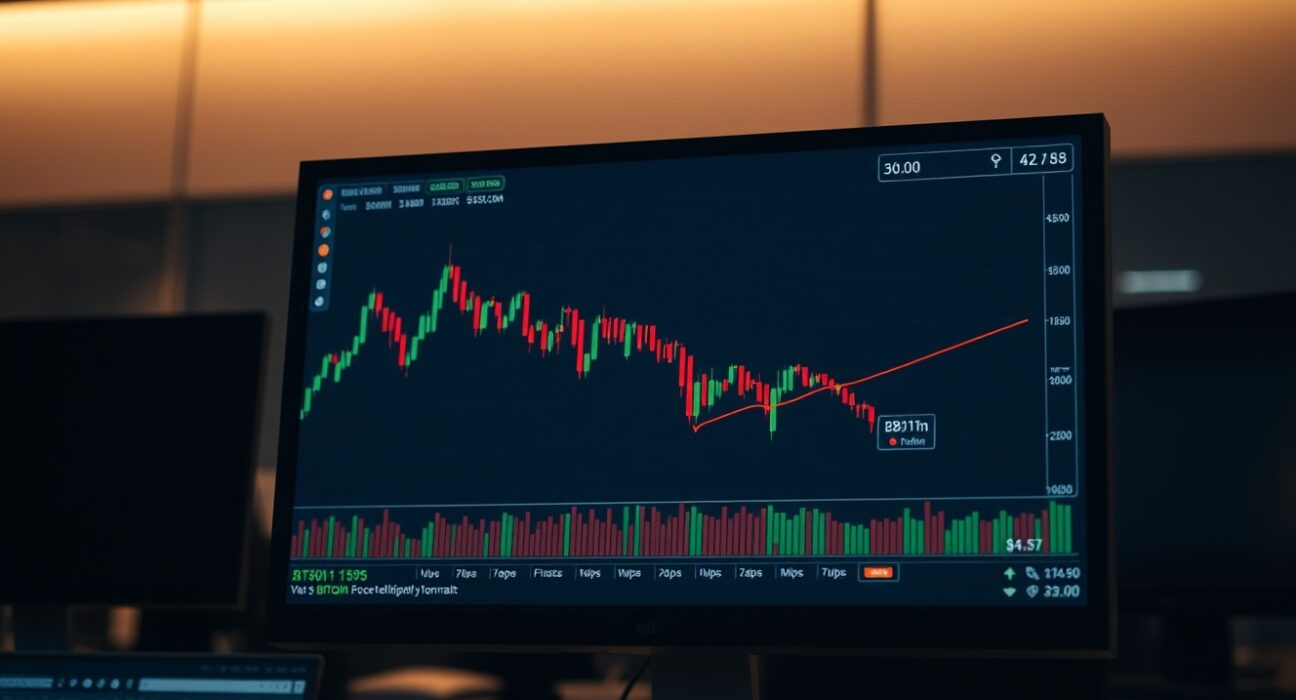
Bitcoin’s price may have shown signs of a rebound, but a confirmed bottom has yet to materialize, according to a recent analysis from CryptoSlate. The report highlights that while certain market metrics have improved, they remain below levels typically seen at major turning points in the past, suggesting the current rally may lack the conviction of a true reversal.
Key Metrics Show Improvement, but Not Enough
The analysis focuses on two primary indicators: options market skew and perpetual futures funding rates. Options market skew, which measures the difference in implied volatility between call and put options, has widened to 11.4 percentage points. This indicates that demand for bullish call options is growing relative to bearish puts, a positive sign for sentiment. Meanwhile, perpetual futures funding rates have turned positive, signaling that long-position traders are now paying short-position traders, reflecting recovering demand for leverage.
However, these readings remain well below the thresholds observed during previous Bitcoin bottoming phases. In past cycles, a more pronounced skew and higher funding rates were necessary to confirm a sustainable price floor. The current data suggests that while sentiment is improving, it has not yet reached the levels of conviction that historically accompany a definitive bottom.
Investors from April and May Face Unrealized Losses
The report also notes that investors who purchased Bitcoin during April and May, when funding rates were negative, have an average cost basis of approximately $77,900. With Bitcoin trading well below that level, these investors are currently sitting on an unrealized loss of around 20%. This cohort of holders could become a source of selling pressure if prices approach their break-even point, potentially capping any upside momentum.
Key Variables to Watch
CryptoSlate identifies two critical factors that will determine whether Bitcoin can extend its rebound or retest lower support levels near $58,500. The first is the July meeting of the Federal Open Market Committee (FOMC). Any hawkish signals on interest rates could weigh on risk assets, including Bitcoin. The second is the flow of funds into spot Bitcoin ETFs. Sustained inflows would provide a strong demand-side catalyst, while outflows could signal fading institutional interest.
Conclusion
Bitcoin’s recent price action has offered a glimmer of hope for bulls, but the data suggests caution is warranted. The lack of a clear bottom signal, combined with the overhang of underwater investors and upcoming macroeconomic events, means the path forward remains uncertain. Traders and investors should monitor the July FOMC decision and ETF flow data closely for clues on the next major move.
FAQs
Q1: What is options market skew and why does it matter for Bitcoin?
Options market skew measures the difference in implied volatility between call and put options. A wider skew favoring calls suggests bullish sentiment, while a skew favoring puts indicates bearishness. It matters because it reflects the market’s expectations for future price direction and can signal potential turning points.
Q2: What are perpetual futures funding rates?
Funding rates are periodic payments between long and short traders in perpetual futures contracts. Positive funding rates mean longs pay shorts, indicating bullish sentiment. Negative rates mean shorts pay longs, indicating bearish sentiment. They help gauge the demand for leverage and overall market mood.
Q3: How do Bitcoin ETF flows impact the price?
Spot Bitcoin ETF flows represent institutional demand. Sustained net inflows provide buying pressure and can support price increases. Net outflows can signal waning interest and create selling pressure. They are a key indicator of institutional sentiment toward Bitcoin.
Disclaimer: The information provided is not trading advice, Bitcoinworld.co.in holds no liability for any investments made based on the information provided on this page. We strongly recommend independent research and/or consultation with a qualified professional before making any investment decisions.
