

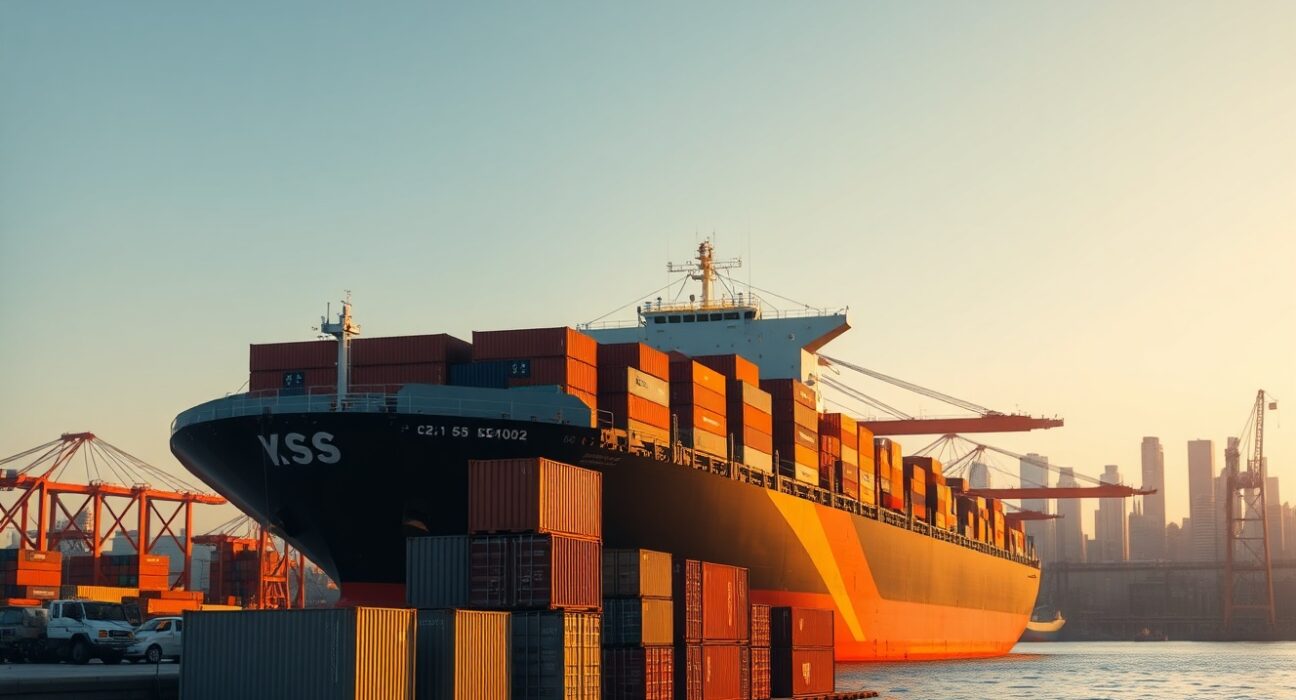
The United States has officially ended its blanket 10% tariff that was uniformly applied to all trading partners, marking a significant shift in trade policy. According to a report by Walter Bloomberg, the administration has now begun imposing new, country-specific tariffs ranging from approximately 10% to 12.5%.
Background and Policy Shift
The previous blanket tariff, introduced as a broad measure to address trade imbalances, applied equally to imports from all nations. The new approach targets specific countries with differentiated rates, signaling a more nuanced strategy. This change comes amid ongoing negotiations and adjustments in U.S. trade relationships, with officials citing the need for tailored measures that reflect individual trade deficits and economic practices.
Implications for Global Trade
The shift from a uniform to a country-specific tariff structure is expected to have varied impacts on international trade. Countries that previously faced the 10% baseline may now see lower or higher rates, depending on their trade dynamics with the U.S. Analysts suggest this could lead to more targeted trade disputes, as nations with higher new rates may seek renegotiation or retaliatory measures. For businesses, the change introduces a more complex compliance environment, requiring detailed knowledge of each country’s applicable tariff.
What This Means for Consumers and Businesses
For consumers, the new tariffs could influence the prices of imported goods, particularly in sectors like electronics, automobiles, and consumer goods. Businesses that rely on global supply chains will need to reassess their sourcing strategies and cost structures. The differentiated rates may also incentivize companies to shift supply chains toward countries with lower tariff rates, potentially reshaping trade routes.
Conclusion
The end of the blanket 10% tariff and the introduction of country-specific rates represent a major recalibration of U.S. trade policy. While the move aims to create a more equitable and targeted trade framework, it introduces new uncertainties for global markets. As the new rates take effect, stakeholders will be closely monitoring their impact on trade volumes, prices, and international relations.
FAQs
Q1: Why did the U.S. replace the blanket 10% tariff with country-specific rates?
The U.S. administration shifted to country-specific tariffs to better address individual trade imbalances and economic practices of different nations, moving away from a one-size-fits-all approach.
Q2: Which countries are affected by the new tariff rates?
The new rates apply to all trading partners, with each country receiving a specific rate between 10% and 12.5%. The exact rate for each nation has not been fully disclosed, but it is based on trade deficits and other economic factors.
Q3: How will the new tariffs impact consumers?
Consumers may see price changes on imported goods, particularly in industries like electronics, automobiles, and apparel. The impact will vary depending on the tariff rate applied to the specific country of origin.
Disclaimer: The information provided is not trading advice, Bitcoinworld.co.in holds no liability for any investments made based on the information provided on this page. We strongly recommend independent research and/or consultation with a qualified professional before making any investment decisions.
