

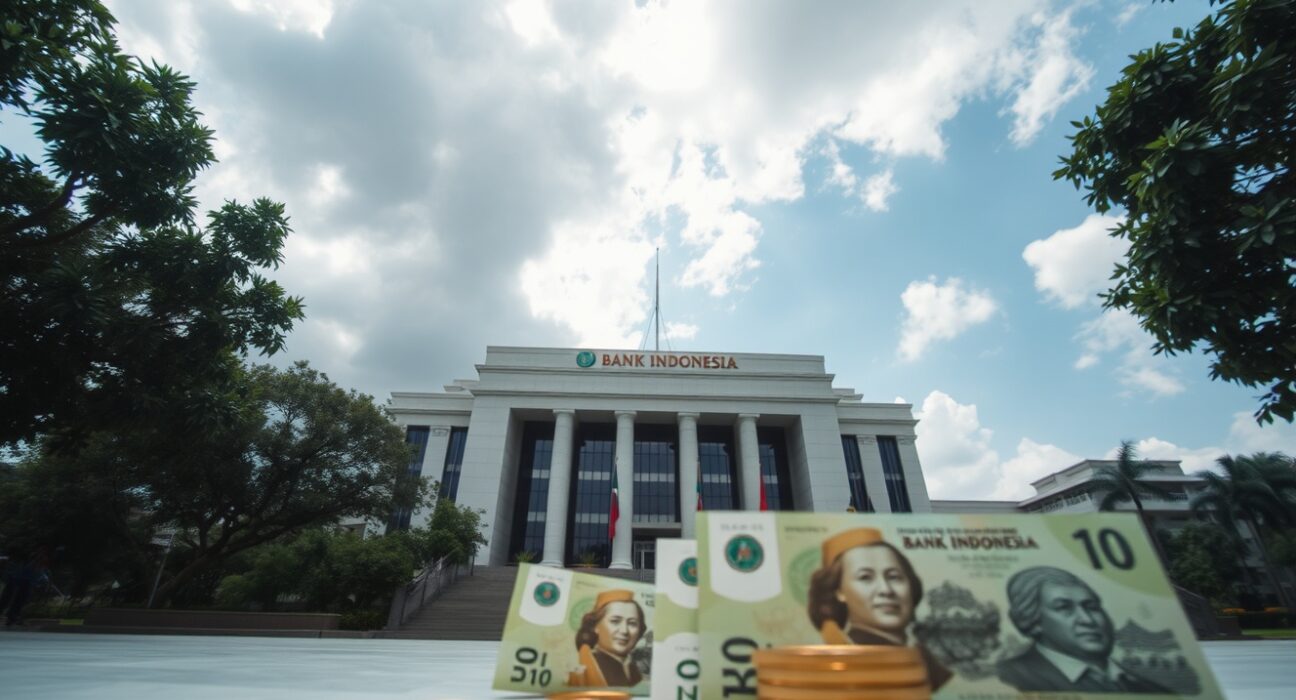
The Indonesian rupiah may face continued depreciation pressure, prompting Bank Indonesia (BI) to consider additional monetary tightening, according to a recent analysis from MUFG Bank. The assessment, shared with clients this week, highlights that despite recent rate adjustments, the currency remains vulnerable to external headwinds including a strong US dollar and global interest rate expectations.
Why MUFG Sees a Need for Further Tightening
MUFG analysts point out that the rupiah has struggled to stabilize despite BI’s cumulative rate hikes over the past year. The bank’s research note suggests that the current policy stance may not be sufficiently restrictive to anchor the currency, especially if capital outflows persist. The analysis emphasizes that BI’s credibility in defending the rupiah will be tested in the coming months, particularly if the Federal Reserve maintains a hawkish posture.
Market Context and External Pressures
The rupiah has been among the worst-performing Asian currencies in 2025, losing ground against the dollar as Indonesia grapples with a widening current account deficit and rising import costs. Global investors have pulled funds from emerging markets amid elevated US interest rates, adding to the pressure on BI to act. The MUFG report notes that without further tightening, the rupiah could weaken beyond psychologically important levels, potentially fueling imported inflation.
What This Means for Indonesian Borrowers and Businesses
Additional rate hikes would increase borrowing costs for Indonesian companies and consumers, potentially slowing domestic demand. However, MUFG argues that the trade-off may be necessary to prevent a more disruptive currency crisis. Import-dependent sectors, including manufacturing and energy, would face higher input costs, while exporters could benefit from a weaker rupiah. The analysis underscores that BI’s next policy move will be closely watched by financial markets for signals on the central bank’s commitment to price and currency stability.
Conclusion
MUFG’s assessment adds to a growing chorus of analysts expecting further monetary tightening from Bank Indonesia. The central bank’s ability to manage the rupiah without stifling economic growth remains a key challenge. Investors and businesses should monitor BI’s upcoming policy meetings for concrete action, as the window for preemptive tightening may be narrowing amid global uncertainty.
FAQs
Q1: Why does MUFG think Bank Indonesia needs to tighten further?
MUFG analysts argue that the rupiah remains under pressure from a strong US dollar and capital outflows, and that current policy rates may not be enough to stabilize the currency without additional action.
Q2: How would further rate hikes affect the Indonesian economy?
Higher rates would increase borrowing costs for consumers and businesses, potentially slowing growth, but could help contain inflation and prevent a sharper currency depreciation that would raise import costs.
Q3: When is Bank Indonesia expected to make its next policy decision?
Bank Indonesia’s monetary policy meetings are scheduled regularly; the next decision is anticipated in the coming weeks. Market participants will watch for any shift in language or action regarding rates.
Disclaimer: The information provided is not trading advice, Bitcoinworld.co.in holds no liability for any investments made based on the information provided on this page. We strongly recommend independent research and/or consultation with a qualified professional before making any investment decisions.
