

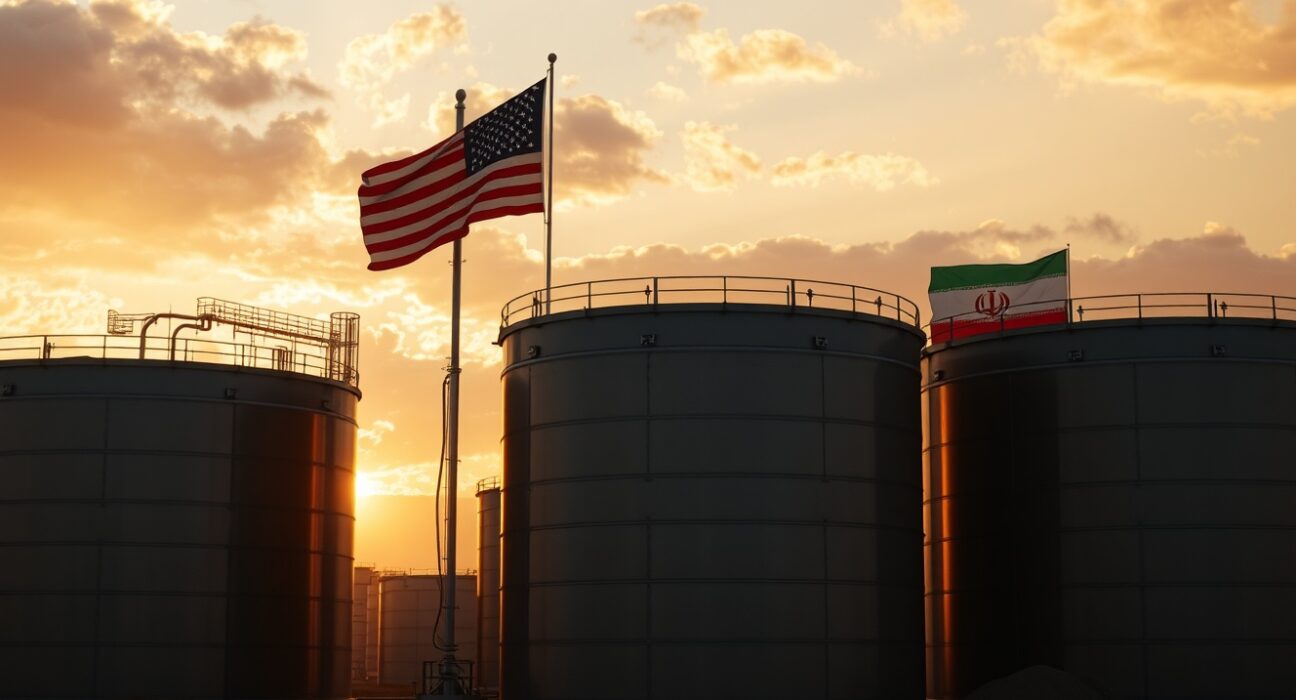
West Texas Intermediate (WTI) crude oil experienced a sharp decline on Monday, falling more than 7% to trade around $82.60 per barrel. The drop came after reports emerged that the United States and Iran had agreed to a pause in strikes, significantly reducing immediate supply disruption fears in the Middle East.
Market Reaction to Geopolitical Shift
The sudden sell-off marks one of the largest single-day declines for WTI in recent months. The move reversed some of the gains seen in the previous week, which were driven by heightened tensions and the risk of a broader regional conflict affecting oil transit through the Strait of Hormuz. Traders quickly unwound risk premiums built into prices as the likelihood of an immediate supply outage diminished.
Context Behind the Price Movement
The reported pause in strikes between the two nations, while not officially confirmed by all parties, was sufficient to trigger a wave of selling. Analysts noted that the oil market had priced in a significant geopolitical risk premium, and any sign of de-escalation would naturally lead to a correction. The move also aligns with broader market sentiment, where concerns over global demand and economic slowdown have been weighing on prices.
What This Means for Energy Markets
For investors and consumers, the sharp drop provides temporary relief from high energy costs, but the underlying volatility remains. The situation underscores how quickly geopolitical events can influence commodity prices. The market will continue to monitor official statements from Washington and Tehran, as well as any changes in crude inventory levels and global demand forecasts.
Conclusion
Monday’s 7% drop in WTI crude oil highlights the market’s sensitivity to geopolitical headlines. While the reported pause in US-Iran strikes has eased immediate supply concerns, the situation remains fluid. Traders and analysts will be watching for further confirmation and any lasting impact on global oil supply chains.
FAQs
Q1: Why did WTI oil price drop so sharply?
A: The price fell over 7% following reports that the US and Iran had agreed to pause strikes, reducing the immediate risk of supply disruptions in the Middle East.
Q2: Is this drop permanent?
A: Not necessarily. The market is reacting to a specific headline. If the pause is not confirmed or if tensions escalate again, prices could rebound quickly.
Q3: How does this affect consumers?
A: Lower oil prices can lead to reduced gasoline and heating fuel costs, providing some economic relief, but the volatility means prices could change rapidly.
Disclaimer: The information provided is not trading advice, Bitcoinworld.co.in holds no liability for any investments made based on the information provided on this page. We strongly recommend independent research and/or consultation with a qualified professional before making any investment decisions.
