

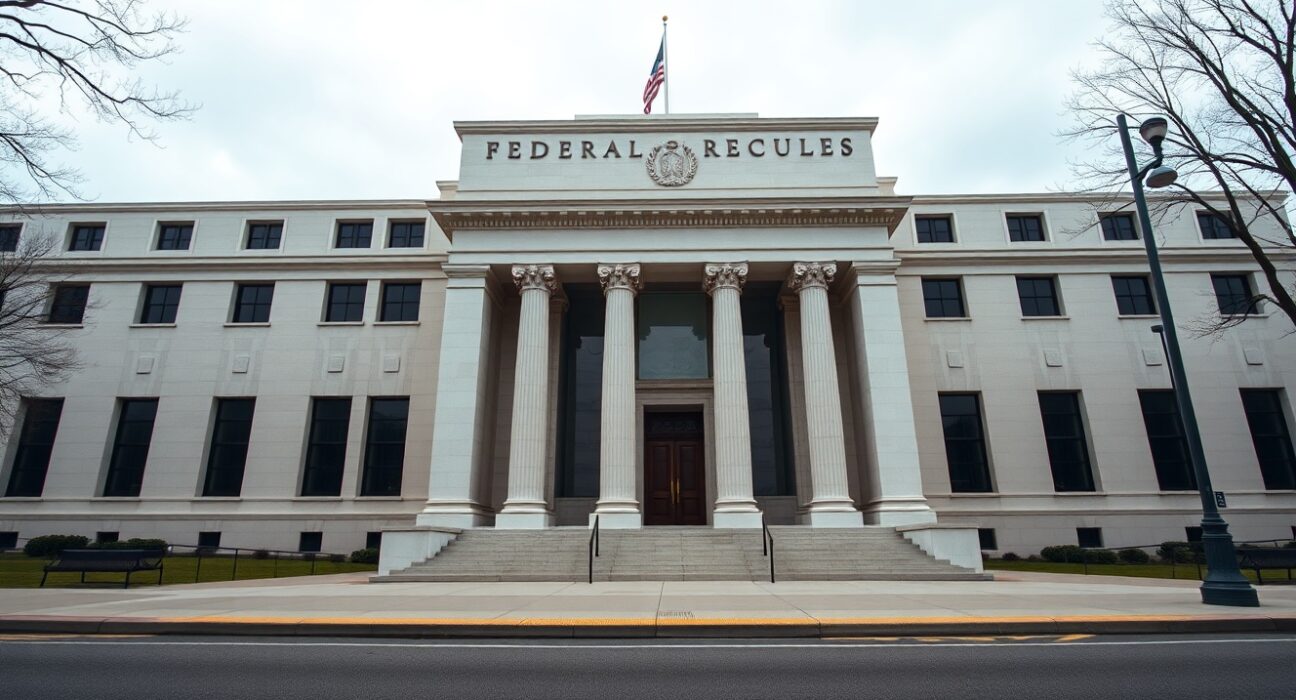
The Federal Reserve is widely expected to keep its benchmark interest rate unchanged at the conclusion of its next policy meeting on [Date of next meeting, e.g., May 7, 2026], according to market pricing and economist surveys. However, a growing number of analysts caution that a rate increase cannot be ruled out, citing persistently elevated inflation and a resilient labor market that continue to challenge the central bank’s efforts to cool the economy.
Why a Hold Is the Base Case
The Fed has maintained its federal funds rate at a range of 5.25% to 5.50% since July 2025, following a series of aggressive hikes. Recent data shows that core inflation, as measured by the Personal Consumption Expenditures (PCE) price index, has moderated slightly but remains above the Fed’s 2% target. At the same time, job growth has slowed but remains robust, and consumer spending has shown unexpected strength. This mixed picture has led most policymakers to advocate for a cautious approach, allowing previous rate increases more time to work through the economy. Market expectations, as reflected in CME Group’s FedWatch Tool, currently price in a greater than 90% probability of no change at the upcoming meeting.
The Case for a Surprise Hike
Despite the consensus for a hold, several factors could push the Fed toward tightening further. Recent comments from some regional Fed presidents have highlighted concerns that inflation is proving stickier than anticipated, particularly in the services sector. The latest Consumer Price Index (CPI) report, released on [Date of last CPI report], showed a month-over-month increase of 0.4%, above the 0.3% forecast. If similar data emerges before the meeting, it could sway hawkish members of the Federal Open Market Committee (FOMC) to argue for immediate action. Additionally, a surprise hike would serve as a strong signal to financial markets that the Fed is committed to its inflation mandate, even at the risk of slowing economic growth.
What This Means for Borrowers and Investors
For consumers, a hold would mean mortgage rates, credit card APRs, and auto loan rates remain at their current elevated levels, with no immediate relief. A hike, however, would push borrowing costs even higher, potentially dampening housing demand and consumer spending. For investors, a hold is largely priced in, so the market reaction is likely to be muted. A surprise hike would likely trigger a sell-off in equities and a rally in the U.S. dollar, as traders recalibrate expectations for future policy. The Fed’s updated Summary of Economic Projections (SEP), which will be released alongside the decision, will be closely watched for any changes to the dot-plot of individual rate expectations, offering the clearest signal of the committee’s future path.
Conclusion
The upcoming Federal Reserve meeting represents a critical juncture for monetary policy. While a rate hold is the most probable outcome, the possibility of a hike remains a genuine risk that investors and consumers should prepare for. The decision will hinge on the latest inflation and employment data, as well as the internal debate among FOMC members. Regardless of the outcome, the Fed’s communication will be key in shaping market expectations for the remainder of the year.
FAQs
Q1: When will the Federal Reserve announce its next interest rate decision?
The decision is scheduled for release at 2:00 PM ET on [Date of next meeting], followed by a press conference with Fed Chair Jerome Powell at 2:30 PM ET.
Q2: What is the current federal funds rate?
The federal funds rate currently stands at a target range of 5.25% to 5.50%, where it has been since July 2025.
Q3: How would a rate hike affect the stock market?
A surprise rate hike would likely lead to a short-term decline in stock prices, as higher rates reduce the present value of future corporate earnings and increase borrowing costs for companies. Sectors like technology and real estate, which are sensitive to interest rates, could be particularly affected.
Disclaimer: The information provided is not trading advice, Bitcoinworld.co.in holds no liability for any investments made based on the information provided on this page. We strongly recommend independent research and/or consultation with a qualified professional before making any investment decisions.
