

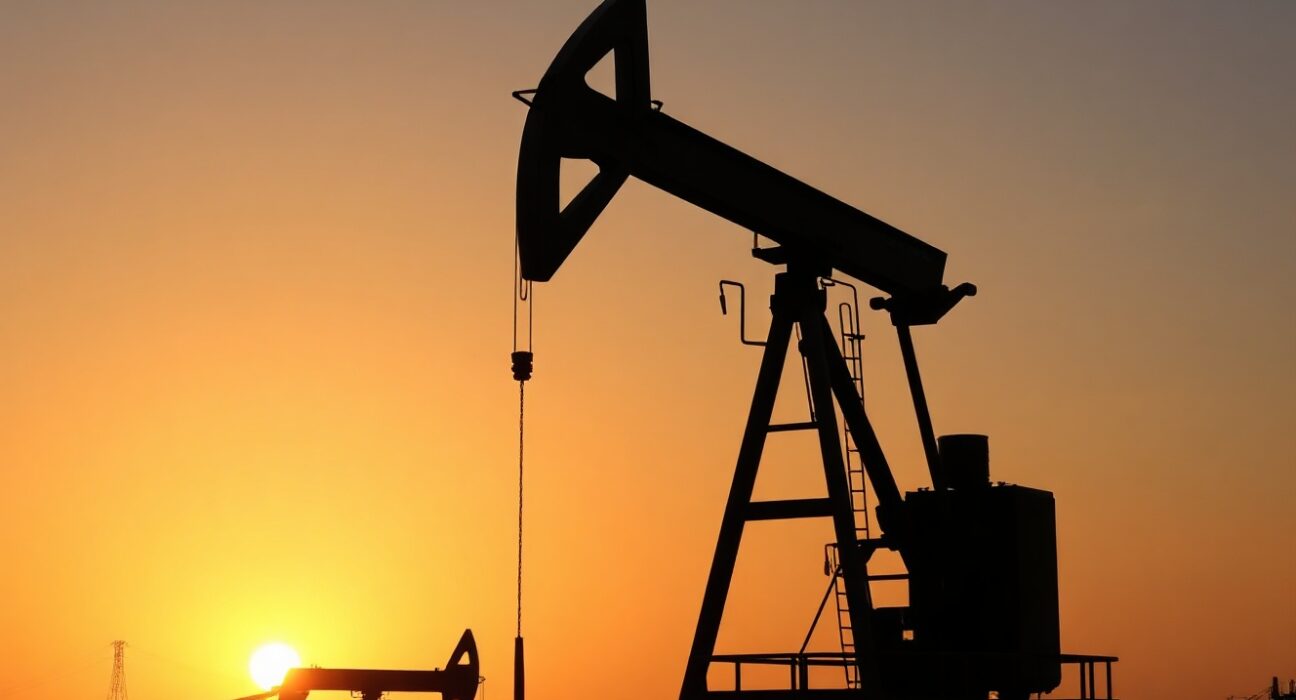
Oil prices fell in early trading on [Day, Date] after former President Donald Trump announced that negotiations with Iran would resume, easing concerns about potential supply disruptions in the Middle East. Brent crude futures dropped by approximately [X]% to $[Y] per barrel, while West Texas Intermediate (WTI) slid to $[Z], reflecting the market’s relief at the prospect of renewed diplomatic engagement.
Market Reaction to Renewed Diplomacy
The announcement, made during a press conference at his Mar-a-Lago estate, signaled a potential thaw in U.S.-Iran relations, which have been tense since the U.S. withdrew from the nuclear deal in 2018. Traders interpreted the news as reducing the likelihood of immediate sanctions enforcement or military conflict, both of which could have tightened global supply.
Oil markets are highly sensitive to geopolitical headlines, and any sign of de-escalation typically prompts profit-taking after recent rallies. The dip also comes amid broader market uncertainty, with investors weighing the impact of slowing global demand and ongoing OPEC+ production decisions.
Context: U.S.-Iran Relations and Oil Supply
Iran holds some of the world’s largest proven oil reserves and has the capacity to add roughly 1.5 million barrels per day to exports if sanctions are lifted. Previous negotiations under the Biden administration stalled over issues such as uranium enrichment and sanctions relief, but Trump’s statement suggests a new willingness to engage.
Analysts note that any actual increase in Iranian oil supply would take months to materialize, as it requires not only a diplomatic agreement but also infrastructure investment and shipping logistics. Nevertheless, the market’s immediate reaction reflects the psychological impact of potential supply additions.
Why This Matters for Energy Prices
For consumers, lower oil prices could eventually translate into cheaper gasoline and heating costs, though the effect is often delayed and depends on refinery capacity and regional factors. For investors, the news adds another layer of complexity to an already volatile energy market, which has been buffeted by concerns over Chinese demand and OPEC+ quota decisions.
Conclusion
While the resumption of talks offers a glimmer of hope for stable energy markets, significant hurdles remain. The details of any potential agreement, including verification mechanisms and the pace of sanctions relief, are still unclear. As always, traders will be watching for concrete outcomes rather than just headlines.
FAQs
Q1: Why did oil prices drop after Trump’s announcement?
The prospect of renewed U.S.-Iran talks raised expectations that sanctions could be lifted, allowing more Iranian oil onto the global market, which would increase supply and push prices down.
Q2: How quickly could Iranian oil return to the market?
Even if an agreement is reached, it could take several months to a year to ramp up production and exports, given the need for investment and logistical coordination.
Q3: What other factors are influencing oil prices right now?
Beyond geopolitics, oil prices are being shaped by global demand concerns, particularly from China, as well as OPEC+ production policies and inventory levels in major consuming countries.
Disclaimer: The information provided is not trading advice, Bitcoinworld.co.in holds no liability for any investments made based on the information provided on this page. We strongly recommend independent research and/or consultation with a qualified professional before making any investment decisions.
