

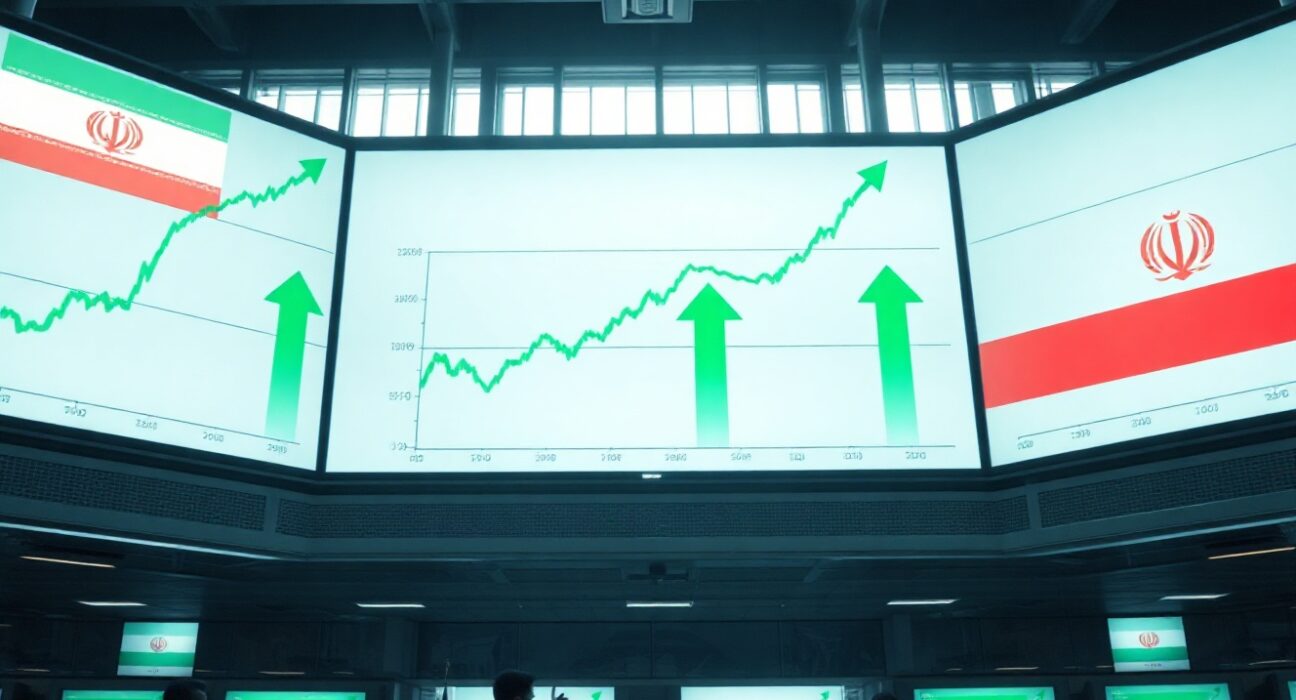
Iran’s move toward de-escalation has triggered a broad risk-on rally across global markets, as investors shed safe-haven positions and pivot toward growth assets.
What Changed on the Geopolitical Front?
Recent diplomatic signals from Tehran, including renewed engagement with international bodies and a halt to provocative military posturing, have eased immediate concerns of a wider conflict. While details remain fluid, the shift is tangible enough to influence market behavior.
As of this week, crude oil prices have retreated from recent highs, and gold has slipped from its safe-haven peak, while equity indices in Asia and Europe have posted gains. The market’s response underscores how sensitive asset prices remain to geopolitical headlines.
Why Investors Are Embracing Risk
The de-escalation reduces the probability of supply disruptions in key energy corridors, a major overhang for global growth. Lower geopolitical risk typically compresses volatility and encourages allocation toward equities, high-yield credit, and emerging market currencies.
Historical patterns suggest that when regional tensions ease, the so-called ‘peace dividend’ can support valuations for several weeks. However, the durability of this rally depends on sustained diplomatic progress, not just a temporary lull.
Market Implications at a Glance
- Equities: Cyclical sectors, including technology and industrials, are leading gains.
- Energy: Oil prices are moderating, benefiting import-dependent economies.
- Currencies: The dollar is softening, while emerging market currencies are strengthening.
- Safe havens: Gold and government bonds are seeing reduced demand.
What Should Investors Watch Next?
The key risk is that de-escalation stalls or reverses. Markets are pricing in a continued thaw, so any negative headline could trigger a sharp pullback. Investors should monitor official statements from Tehran and Washington, as well as any moves in the Strait of Hormuz.
Diversification remains prudent. While risk-on sentiment is positive, geopolitical events are notoriously unpredictable. A balanced portfolio can help weather sudden shifts.
Conclusion
The Iran de-escalation has provided a clear catalyst for risk-on positioning, but the sustainability of this trend hinges on tangible diplomatic follow-through. For now, markets are breathing a cautious sigh of relief, yet prudent investors will keep one eye on the horizon.
FAQs
Q1: What does ‘risk-on’ mean in financial markets?
Risk-on refers to a market environment where investors are more willing to take on risk, favoring assets like stocks and high-yield bonds over safe havens like gold and government bonds.
Q2: How does geopolitical de-escalation affect oil prices?
De-escalation reduces the perceived risk of supply disruptions, which typically leads to lower oil prices as the risk premium diminishes.
Q3: Is the current market rally sustainable?
Sustainability depends on continued diplomatic progress. Any setback in the de-escalation process could quickly reverse the risk-on sentiment.
Disclaimer: The information provided is not trading advice, Bitcoinworld.co.in holds no liability for any investments made based on the information provided on this page. We strongly recommend independent research and/or consultation with a qualified professional before making any investment decisions.
