

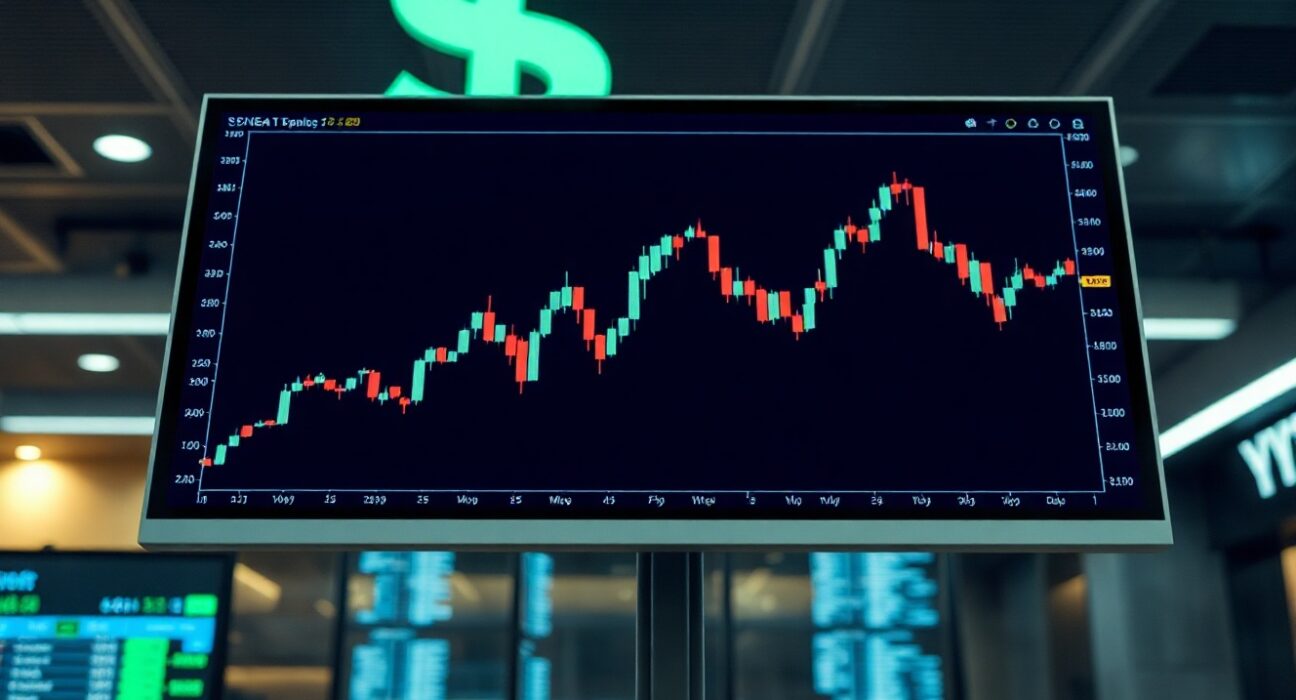
The US Dollar Index (DXY) rebounded toward the 100 mark on Tuesday, as escalating US-Iran tensions and renewed uncertainty over the Federal Reserve’s monetary policy path drove investors toward the greenback’s safe-haven appeal. The index, which measures the dollar against a basket of six major currencies, recovered from recent losses, reflecting shifting market sentiment amid geopolitical and macroeconomic headwinds.
What Is Driving the Dollar’s Rebound?
The rebound in the dollar index is primarily attributed to heightened geopolitical risk following the latest US-Iran confrontations, which have historically boosted demand for the US dollar as a safe-haven asset. Additionally, market participants are grappling with mixed signals from Federal Reserve officials regarding the timing of potential interest rate cuts, creating an environment of uncertainty that favors the dollar.
Recent economic data, including resilient US labor figures and sticky inflation readings, have led traders to scale back expectations for aggressive Fed easing. This reassessment has lifted US Treasury yields, further supporting the dollar. As of this week, the DXY is hovering near the psychological 100 level, a key technical threshold that could determine the currency’s near-term trajectory.
How Does This Affect Global Markets?
The dollar’s strength has broad implications for global markets. A higher dollar makes US exports more expensive, potentially weighing on multinational companies’ earnings. It also puts pressure on emerging-market currencies and increases the debt burden for countries with dollar-denominated liabilities. Commodity prices, particularly oil and gold, often move inversely to the dollar, and the current rebound could cap gains in these assets.
For central banks worldwide, a firmer dollar complicates their own monetary policy decisions, as it can influence import prices and inflation dynamics. The European Central Bank and the Bank of Japan, in particular, are closely monitoring the dollar’s movement as they navigate their own policy stances.
What Should Investors Watch Next?
Investors are now focused on upcoming US economic data, including the Consumer Price Index (CPI) report and the Federal Reserve’s next policy meeting. Any surprises in inflation or labor data could shift expectations for rate cuts, causing the dollar to swing sharply. Additionally, developments in the Middle East, especially any further escalation of US-Iran tensions, could trigger another round of safe-haven flows into the dollar.
Technical analysts note that a sustained break above the 100 level could open the door for further upside, while a failure to hold this level might lead to a retest of recent lows. The dollar’s direction will likely be dictated by the interplay between geopolitical risk and monetary policy expectations in the coming weeks.
Conclusion
The US Dollar Index’s rebound toward 100 underscores the complex interplay of geopolitical tensions and Federal Reserve uncertainty. While the dollar benefits from safe-haven demand, its strength carries significant consequences for global trade, emerging markets, and central bank policies. As the situation evolves, traders and investors should remain attentive to both geopolitical headlines and US economic data for clues on the dollar’s next move.
FAQs
Q1: What is the US Dollar Index (DXY)?
The US Dollar Index (DXY) measures the value of the US dollar relative to a basket of six major world currencies: the euro, Japanese yen, British pound, Canadian dollar, Swedish krona, and Swiss franc. It is a widely used benchmark for the dollar’s overall strength in global markets.
Q2: Why do US-Iran tensions affect the dollar?
Geopolitical tensions, such as those between the US and Iran, increase market uncertainty and risk aversion. Investors often flock to safe-haven assets like the US dollar and gold, which can drive the dollar’s value higher.
Q3: How does Federal Reserve policy influence the dollar?
The Federal Reserve’s interest rate decisions directly impact the dollar. Higher interest rates typically attract foreign investment, boosting demand for the dollar, while expectations of rate cuts can weaken it. Fed statements and economic data are closely watched for clues on future policy moves.
Disclaimer: The information provided is not trading advice, Bitcoinworld.co.in holds no liability for any investments made based on the information provided on this page. We strongly recommend independent research and/or consultation with a qualified professional before making any investment decisions.
