

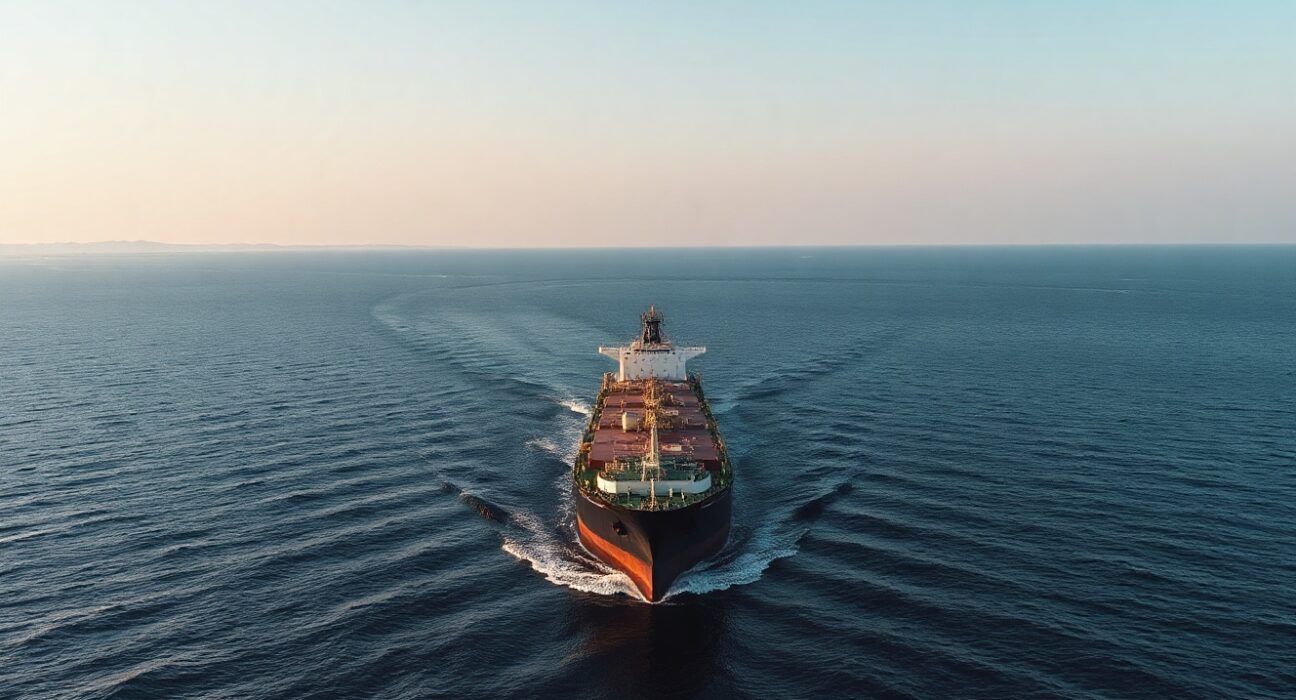
The reopening of the Strait of Hormuz is emerging as a bearish development for the US dollar, according to market analysts, as the resumption of normal oil flows through the critical chokepoint is likely to reduce safe-haven demand for the greenback and influence global trade dynamics.
Geopolitical Context and Market Reaction
The Strait of Hormuz, a narrow waterway between the Persian Gulf and the Gulf of Oman, is a vital route for about 20% of global oil consumption. Its closure, even temporarily, has historically triggered volatility in energy prices and currency markets, with investors flocking to the US dollar as a safe haven. The reopening, therefore, reverses this trend, prompting a shift in market sentiment.
As of the latest reports, the reopening has been confirmed, and oil prices have begun to stabilize. The US dollar index, which measures the currency against a basket of peers, has shown signs of weakening, reflecting the reduced geopolitical risk premium. This development is particularly significant because it removes a key factor that had supported the dollar’s strength in recent weeks.
Implications for Global Trade and Currencies
The reopening of the strait is not just about oil; it has broader implications for global trade. With the normal flow of goods and energy restored, supply chain disruptions are expected to ease, which could reduce inflationary pressures in many economies. This, in turn, may lead to a recalibration of central bank policies, potentially affecting interest rates and currency valuations.
For the US dollar, a bearish outlook means that other currencies, particularly those of oil-exporting nations, may strengthen. The Canadian dollar, Norwegian krone, and even the euro could benefit from a more stable energy market. Additionally, emerging market currencies that were under pressure due to high oil import costs may find some relief.
Why This Matters to Investors
Investors should understand that the reopening of the Strait of Hormuz reduces a major geopolitical risk that had been underpinning the dollar’s safe-haven appeal. While the dollar remains a dominant reserve currency, its short-term trajectory could be influenced by these developments. Traders and portfolio managers may need to adjust their positions, considering the potential for a weaker dollar in the near term.
Furthermore, the reopening could impact commodity prices beyond oil, including natural gas and other energy products. This might affect inflation expectations and, consequently, the pace of monetary tightening in various countries. The ripple effects are complex, but the initial signal is clear: the dollar’s bullish momentum, driven by Hormuz tensions, is likely to fade.
Conclusion
The reopening of the Strait of Hormuz represents a pivotal shift in geopolitical and economic conditions. By easing supply concerns, it diminishes the dollar’s safe-haven appeal, pointing to a bearish phase for the US currency. Market participants should monitor these developments closely, as the full impact on global trade and currency markets will unfold over the coming weeks.
FAQs
Q1: How does the Strait of Hormuz reopening affect oil prices?
It typically leads to a decrease in oil prices because the risk of supply disruption is reduced, allowing for more predictable flow of oil.
Q2: Why is the US dollar considered a safe-haven currency?
The dollar is seen as a stable and liquid asset during times of geopolitical or economic uncertainty, so investors often buy it when risks rise, which strengthens its value.
Q3: What other currencies might benefit from a weaker dollar?
Currencies of oil-exporting countries, such as the Canadian dollar and Norwegian krone, along with other major currencies like the euro, could see gains if the dollar weakens.
Disclaimer: The information provided is not trading advice, Bitcoinworld.co.in holds no liability for any investments made based on the information provided on this page. We strongly recommend independent research and/or consultation with a qualified professional before making any investment decisions.
