

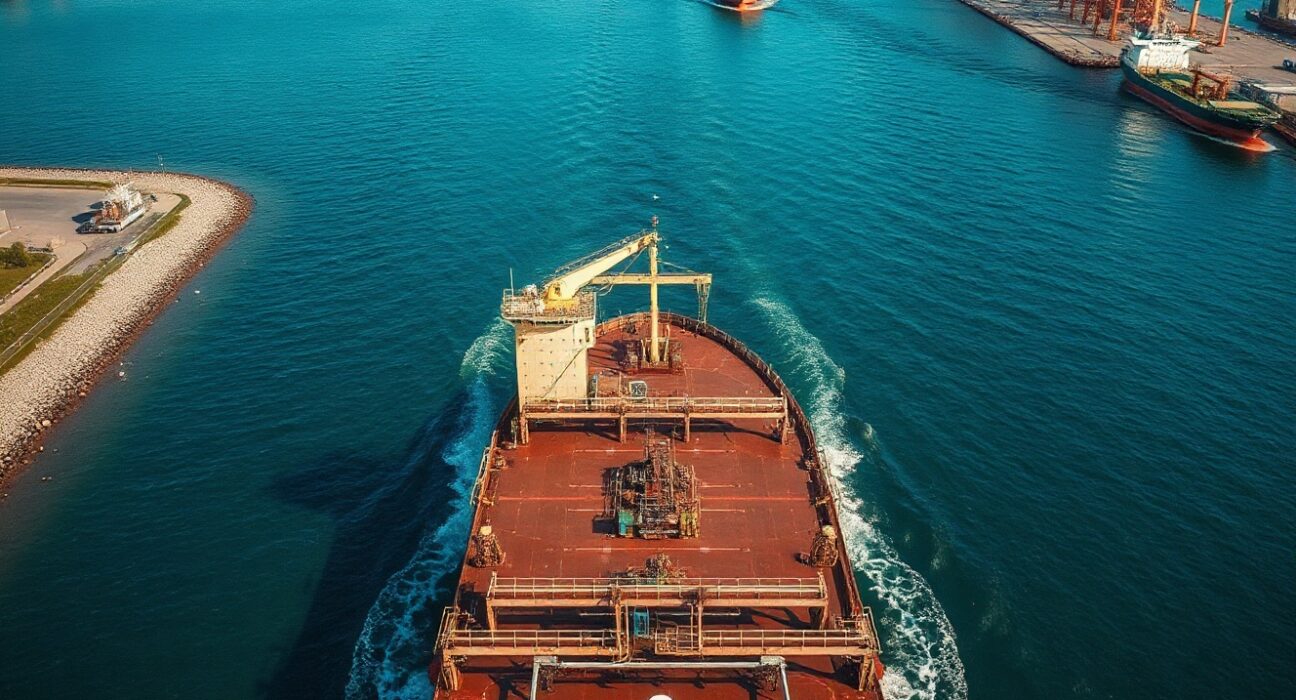
Geopolitical developments are increasingly testing the resilience of global oil supply routes, according to a new analysis from BNY, highlighting potential vulnerabilities in energy transit networks.
Why Supply Routes Are Under Scrutiny
The analysis from BNY points to a confluence of factors—including regional conflicts, maritime security incidents, and diplomatic tensions—that are raising the risk profile for key oil transit corridors. These routes, which include major straits and pipelines, are critical for moving crude oil from production hubs to global markets.
Disruptions in these areas can have immediate effects on oil prices and supply chains, as seen in past incidents. The BNY report emphasizes that even temporary interruptions can lead to significant market volatility, affecting everything from fuel costs to inflation expectations.
Key Chokepoints and Vulnerabilities
Several strategic chokepoints are particularly exposed. The Strait of Hormuz, through which a substantial share of global oil passes, remains a focal point of concern due to regional tensions. Similarly, the Bab el-Mandeb strait near the Red Sea has seen increased naval activity and security threats, impacting shipping routes.
These vulnerabilities are not new, but the current geopolitical climate has amplified them. BNY’s analysis suggests that energy companies and traders are factoring in higher risk premiums, which could translate into sustained upward pressure on prices if tensions escalate.
Implications for Markets and Consumers
For consumers, the practical implication is potentially higher and more volatile energy prices. For businesses, it means supply chain uncertainty and the need for more robust contingency planning. The report underscores that the situation is fluid, and outcomes depend on diplomatic and military developments that are difficult to predict.
Conclusion
BNY’s warning serves as a reminder that the global energy system is exposed to geopolitical shocks. While no immediate disruption has occurred, the increased testing of supply routes adds a layer of uncertainty to the oil market outlook. Stakeholders should monitor these developments closely, as they carry significant implications for prices and energy security.
FAQs
Q1: What are the main oil supply routes at risk?
The most critical are the Strait of Hormuz, the Bab el-Mandeb strait, and the Suez Canal, along with major pipelines like the Druzhba and BTC. These chokepoints handle a large volume of global oil trade.
Q2: How could geopolitical tensions affect oil prices?
If tensions lead to actual supply disruptions, oil prices could spike sharply due to fears of shortages. Even the threat of disruption can increase risk premiums, keeping prices elevated.
Q3: What can businesses do to mitigate risks from supply route disruptions?
Businesses can diversify supply sources, increase inventory buffers, and use hedging strategies to manage price volatility. Staying informed on geopolitical developments is also crucial for timely decision-making.
Disclaimer: The information provided is not trading advice, Bitcoinworld.co.in holds no liability for any investments made based on the information provided on this page. We strongly recommend independent research and/or consultation with a qualified professional before making any investment decisions.
