

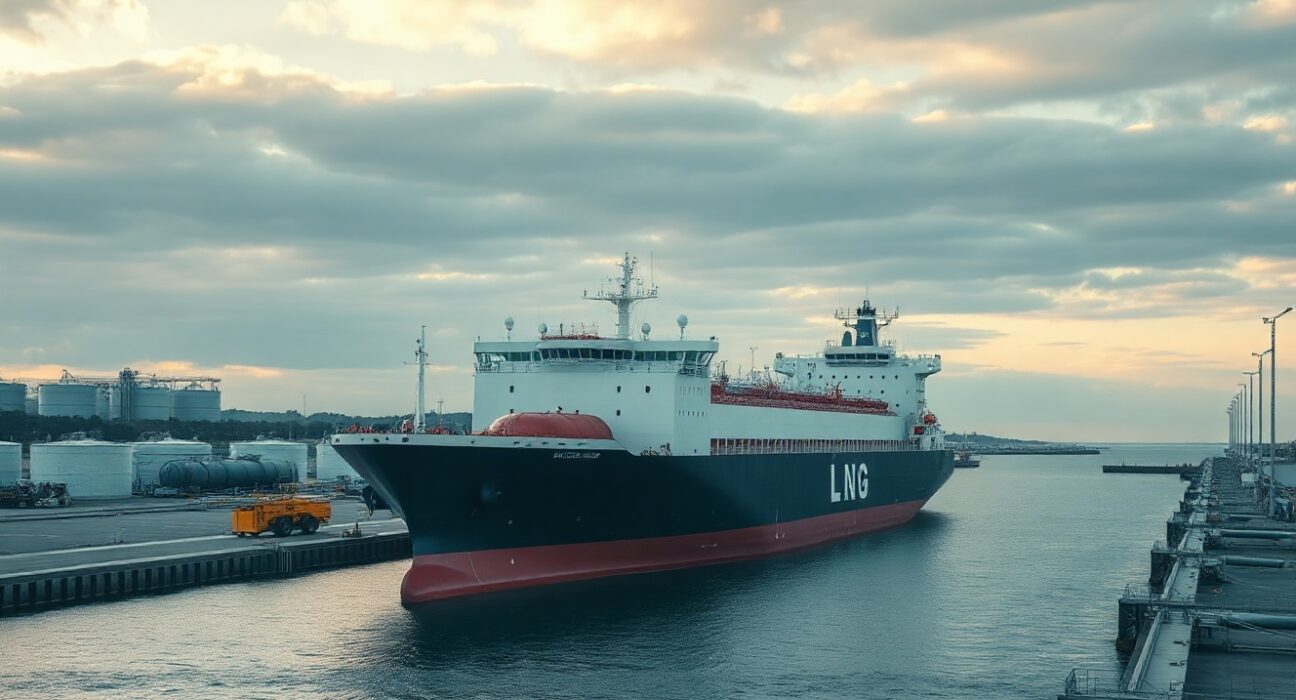
European natural gas prices have surged as liquefied natural gas (LNG) flows stall, according to a recent analysis by ING. The bank’s report highlights a tightening supply picture that is driving up costs for consumers and businesses across the region.
What is driving the price surge?
The current price increase is largely attributed to a reduction in LNG arrivals to Europe. Factors such as weather-related disruptions, maintenance at export facilities, and increased competition from Asian buyers have contributed to the slowdown in flows. As a result, European gas benchmarks have risen, reflecting the market’s sensitivity to supply disruptions.
Market context and implications
This development comes after a period of relative stability in European gas markets. The region has been rebuilding its gas inventories following the energy crisis of 2022-2023, and any shortfall in LNG deliveries can quickly affect prices. The impact is being felt across the economy, from household heating bills to industrial production costs, particularly in energy-intensive sectors like chemicals and manufacturing.
What should consumers and businesses expect?
For consumers, the price surge may translate into higher energy bills in the coming months. Businesses, especially those with high energy consumption, could see increased operating costs, potentially affecting their competitiveness. The situation underscores the ongoing fragility of Europe’s energy supply chain and its dependence on global LNG markets.
Conclusion
In summary, European natural gas prices are rising due to stalled LNG flows, as highlighted by ING. This trend carries significant implications for the region’s energy security and economic stability. Market participants and policymakers will be closely monitoring LNG supply developments in the coming weeks to gauge the duration and severity of this price surge.
FAQs
Q1: What is LNG and why is it important for Europe?
LNG, or liquefied natural gas, is natural gas cooled to liquid form for easier storage and transport. Europe relies heavily on LNG imports to supplement its domestic production and pipeline supplies, especially after reducing dependence on Russian gas.
Q2: How long is the current price surge expected to last?
The duration of the price surge depends on several factors, including the resolution of supply disruptions, weather conditions, and global demand patterns. Analysts suggest that if LNG flows normalize soon, prices could stabilize, but prolonged disruptions could keep prices elevated.
Q3: What can European countries do to mitigate the impact?
Countries can tap into existing gas reserves, increase imports from alternative sources, and promote energy efficiency measures. Additionally, accelerating the transition to renewable energy sources could reduce long-term dependence on natural gas.
Disclaimer: The information provided is not trading advice, Bitcoinworld.co.in holds no liability for any investments made based on the information provided on this page. We strongly recommend independent research and/or consultation with a qualified professional before making any investment decisions.
