

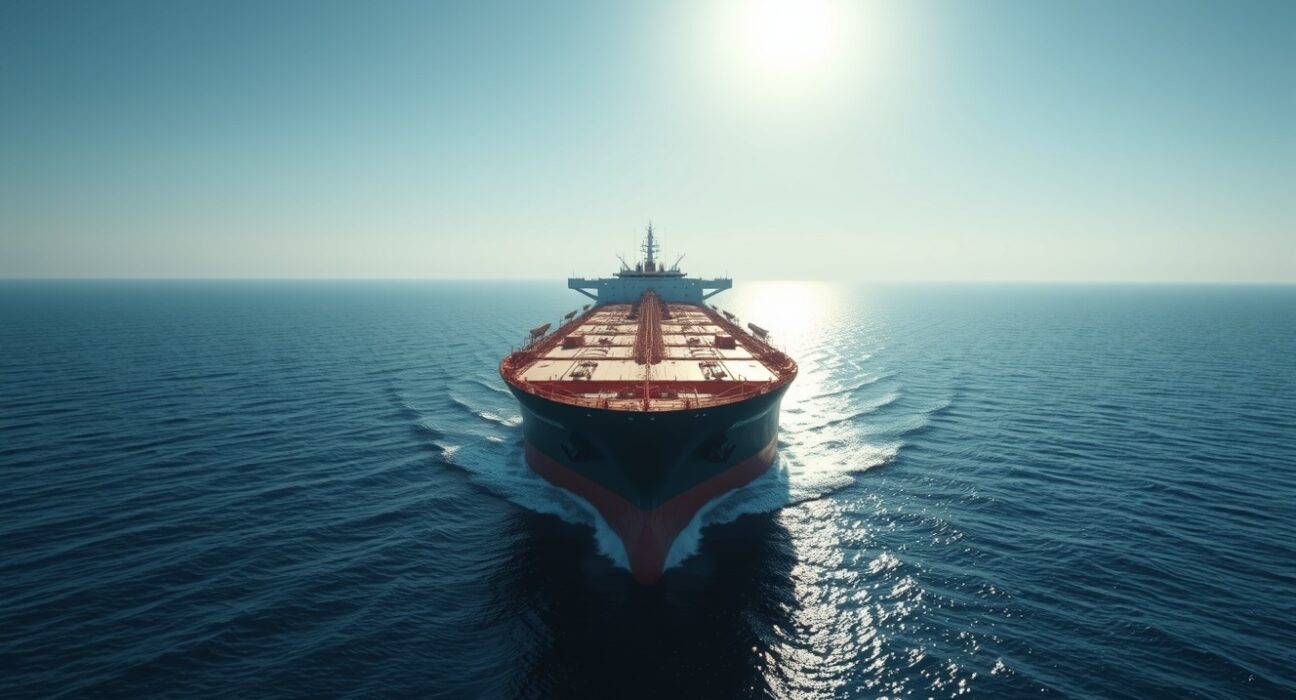
West Texas Intermediate (WTI) crude oil pulled back from its intraday peak on [Date of publication], as market participants sought clearer signals regarding the operational status and reopening timeline of the Strait of Hormuz, the world’s most critical oil transit chokepoint.
Why the Strait of Hormuz Matters to Oil Prices
The Strait of Hormuz, located between Oman and Iran, is a narrow waterway through which roughly one-fifth of the world’s total petroleum consumption passes. Any disruption or perceived threat to this route has an outsized impact on global energy prices. The recent price action reflects the market’s sensitivity to headlines and the lack of concrete information about when normal shipping operations might fully resume.
Investors are currently weighing the potential for supply disruptions against the possibility of a swift return to normalcy. This uncertainty is leading to choppy trading conditions, with prices reacting to every new development, no matter how minor. The core question is not just about the physical reopening, but about the insurance, freight, and security costs that will continue to affect tanker traffic even after the all-clear is given.
Market Dynamics and Trader Sentiment
The pullback from the day’s high suggests that some traders are taking profits after a period of geopolitical risk premium. The initial surge in prices was driven by fears of a prolonged closure, but as hours pass without a definitive update, some of that urgency is fading. This is a classic pattern in geopolitical trading: prices spike on uncertainty and consolidate as the market waits for confirmation.
Analysts note that the physical oil market remains well-supplied in the short term, with strategic reserves and production from other regions able to offset a temporary shortfall. However, the longer the uncertainty persists, the greater the potential for sustained price increases. The market is also closely watching the response from major consumers and the International Energy Agency (IEA), which could coordinate a release of emergency stockpiles if needed.
Implications for Consumers and the Broader Economy
For consumers, the direct impact is visible at the pump, as gasoline prices often follow crude oil futures. A sustained rise in WTI could translate to higher costs for heating oil, diesel, and jet fuel, feeding into broader inflationary pressures. This complicates the outlook for central banks, which are already grappling with balancing economic growth and price stability.
The strategic importance of the Strait of Hormuz means that even the threat of disruption is enough to move markets. The current situation underscores the fragility of global supply chains and the concentration of risk in a single geographic point. For investors, the key takeaway is the need for vigilance and the understanding that energy markets are likely to remain volatile until the situation is fully resolved.
Conclusion
WTI crude oil’s retreat from its high reflects a market in wait-and-see mode, with traders hesitant to commit to new positions until the status of the Strait of Hormuz is clarified. The immediate direction of prices will hinge on official statements and the safe passage of the first tankers through the waterway. Until then, volatility is expected to remain the norm, and the risk premium will likely stay embedded in the price of crude.
FAQs
Q1: What is the Strait of Hormuz and why is it important for oil prices?
The Strait of Hormuz is a narrow waterway between Oman and Iran. It is the world’s most important oil transit chokepoint, with about 20% of global petroleum consumption passing through it. Any disruption there can significantly impact global oil supply and prices.
Q2: Why did WTI crude oil prices fall from their day’s high?
WTI prices fell from their high as investors adopted a cautious stance, waiting for more concrete information about the reopening of the Strait of Hormuz. The initial price surge was driven by fear, and some of that speculative premium eased as traders took profits and awaited official updates.
Q3: What could cause oil prices to rise again?
Oil prices could rise again if there are delays in the reopening, new security threats, or if it becomes clear that the disruption will last longer than expected. Any signs that the situation is worsening or that supply is being more severely impacted would likely push prices back up.
Disclaimer: The information provided is not trading advice, Bitcoinworld.co.in holds no liability for any investments made based on the information provided on this page. We strongly recommend independent research and/or consultation with a qualified professional before making any investment decisions.
