

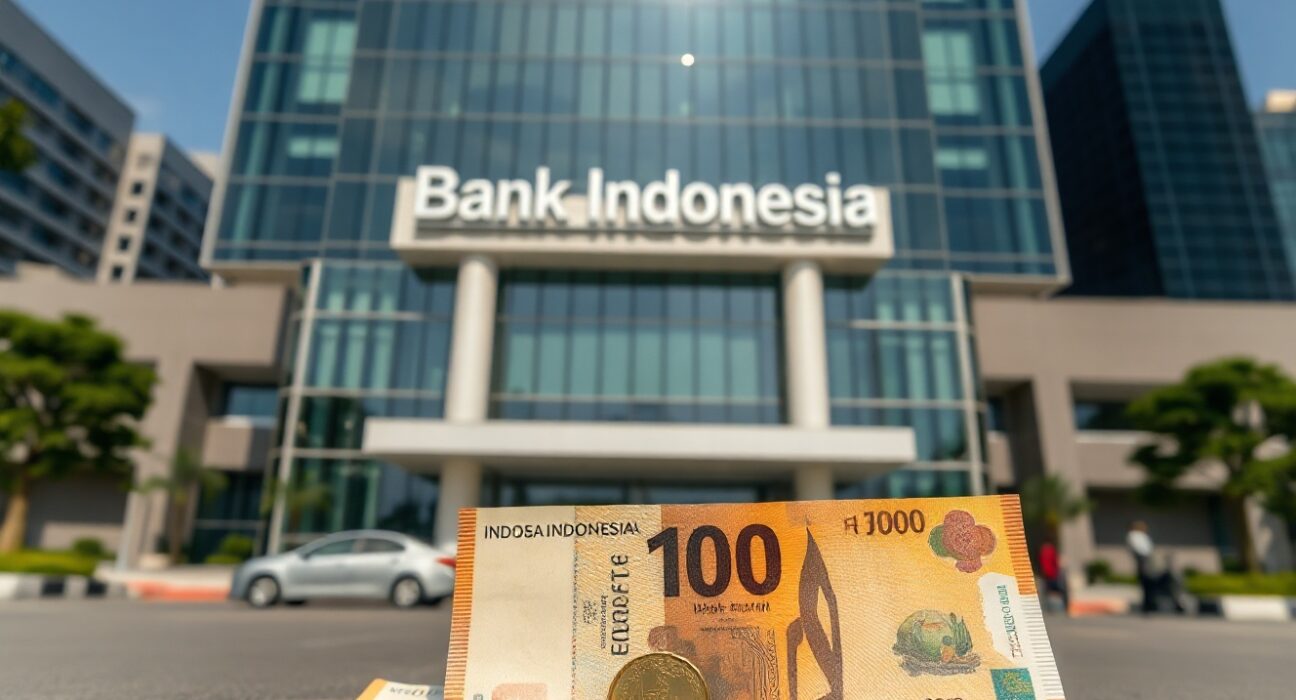
Bank Indonesia (BI) is widely expected to keep its benchmark interest rate unchanged at its upcoming policy meeting, according to analysts at Brown Brothers Harriman (BBH), as the rupiah shows signs of stabilization amid global market shifts. This decision would mark the third consecutive hold, signaling a cautious approach to supporting economic growth while managing currency stability.
Why is Bank Indonesia pausing rate hikes?
BBH analysts note that BI’s policy pause is driven by a combination of easing inflation pressures and a more favorable external environment. After a series of aggressive rate hikes in 2024, BI has shifted to a wait-and-see stance, aiming to balance inflation control with the need to support domestic demand. The rupiah has also found firmer footing recently, reducing the urgency for further monetary tightening.
According to BBH, the central bank is likely to maintain the benchmark rate at its current level, as the market has already priced in a prolonged pause. This aligns with BI’s stated commitment to stability, both in prices and the currency, while monitoring global developments, particularly the US Federal Reserve’s policy trajectory.
What does this mean for the Indonesian rupiah?
For the rupiah, the expected hold provides a sense of continuity and predictability, which is often welcomed by investors. A stable policy environment can help attract foreign capital inflows, supporting the currency. However, BBH cautions that the rupiah’s outlook remains tied to external factors, including commodity prices and global risk sentiment.
In recent weeks, the rupiah has traded within a relatively narrow range, reflecting improved market confidence. If BI maintains its current stance, the currency could continue to consolidate, but any unexpected global shocks could still trigger volatility.
How does this affect Indonesian markets and the broader economy?
The decision to hold rates is likely to be well-received by businesses and consumers, as borrowing costs remain stable. This supports credit growth and investment, which are crucial for Indonesia’s economic expansion. However, the central bank must also remain vigilant against any resurgence in inflation, particularly from food and energy prices.
For investors, the policy pause reinforces the view that BI is prioritizing stability over aggressive easing, which could be a positive signal for the country’s long-term fiscal health. The rupiah’s stability also benefits importers and companies with foreign currency debt, reducing exchange-rate-related risks.
Conclusion
Bank Indonesia’s expected decision to keep interest rates unchanged, as forecast by BBH, reflects a careful balancing act between supporting growth and maintaining stability. With inflation under control and the rupiah stable, the central bank appears comfortable with its current stance. However, the global environment remains uncertain, and BI will likely stay flexible, ready to adjust policy if conditions warrant.
FAQs
Q1: When is Bank Indonesia’s next policy meeting?
Bank Indonesia’s next monetary policy meeting is scheduled for [Date], where the central bank will announce its interest rate decision. The market expects the benchmark rate to remain unchanged.
Q2: What is the current benchmark interest rate in Indonesia?
The current benchmark interest rate, known as the BI-Rate, stands at [Rate]%, following a series of hikes in 2024. The central bank has held rates steady for the past two meetings.
Q3: How does the rupiah’s performance affect the Indonesian economy?
A stable rupiah helps control import costs and inflation, while also boosting investor confidence. Conversely, a weak rupiah can increase the burden of foreign debt and raise prices of imported goods, impacting purchasing power.
Disclaimer: The information provided is not trading advice, Bitcoinworld.co.in holds no liability for any investments made based on the information provided on this page. We strongly recommend independent research and/or consultation with a qualified professional before making any investment decisions.
