

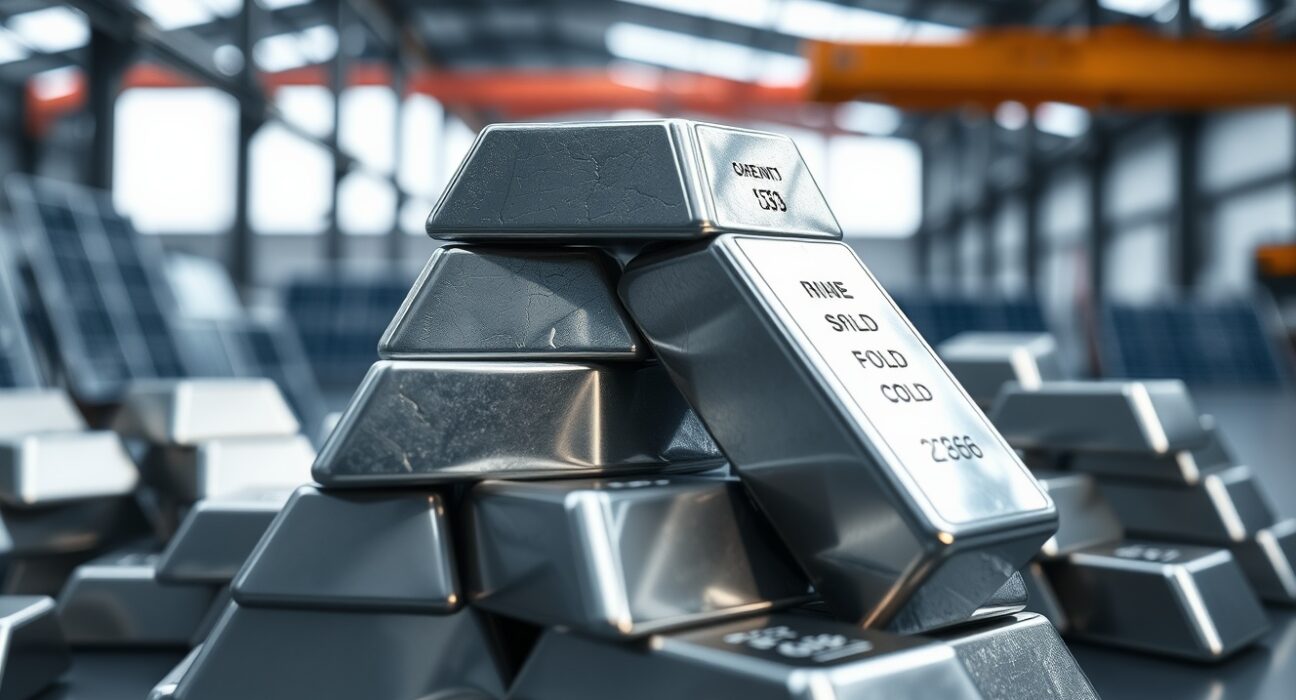
The silver market is entering a transformative period as persistent supply deficits align with rapidly growing industrial demand, reshaping the metal’s traditional role as both a monetary asset and an industrial workhorse. As of 2025, the global silver market has faced a fourth consecutive year of structural deficit, driven by robust demand from solar energy, electronics, and emerging technologies, while mine supply remains constrained.
Supply Constraints Persist
Silver mine production has struggled to keep pace with consumption, with global output remaining relatively flat over the past several years. Key producers in Mexico, Peru, and China have faced operational challenges, including declining ore grades and stricter environmental regulations. The Silver Institute projects that mine supply will grow only modestly, failing to close the widening gap between supply and demand. This persistent shortfall has drawn down above-ground inventories, with London vault holdings and COMEX warehouse stocks reaching multi-year lows, signaling a tightening physical market.
Industrial Demand Accelerates
The industrial sector now accounts for over 50% of total silver demand, a shift driven by the metal’s unique properties—high electrical and thermal conductivity, reflectivity, and antibacterial characteristics. Solar photovoltaic installations are the largest single industrial use, consuming significant volumes of silver paste for solar cells. As global solar capacity expands, particularly in China, the United States, and Europe, silver demand from this sector is projected to grow by double digits in 2025. Additionally, the proliferation of electric vehicles, 5G infrastructure, and advanced electronics continues to underpin robust consumption. This industrial pull, combined with investor interest in silver as a hedge against inflation and economic uncertainty, is creating a demand landscape that supply is struggling to match.
Market Implications and Investment Outlook
For investors, the sustained deficit and rising industrial demand present a compelling narrative, but also one with inherent volatility. Silver prices have historically been more volatile than gold, and while the long-term outlook appears constructive, short-term fluctuations are likely. Physical silver, ETFs, and mining equities all offer exposure, but each carries different risk profiles. Analysts suggest that the market’s focus will remain on supply-side responses—such as new mine projects and recycling rates—as well as the trajectory of global industrial activity. The ongoing deficit is not merely a cyclical phenomenon but reflects a structural shift in silver’s demand base, positioning the metal for a potentially extended period of price support.
Conclusion
Silver’s new era is defined by a persistent supply deficit meeting accelerating industrial demand, a dynamic that is fundamentally altering its market structure. While challenges remain, including potential demand destruction from high prices and economic slowdowns, the current trajectory suggests that silver’s industrial importance will continue to grow. For market participants, understanding these structural drivers is essential to navigating the opportunities and risks ahead.
FAQs
Q1: What is driving the silver supply deficit?
The deficit is primarily due to stagnant mine production, declining ore grades, and operational challenges in major producing countries, while demand continues to rise, especially from industrial sectors like solar energy and electronics.
Q2: How does industrial demand affect silver prices?
Industrial demand now accounts for over half of total silver consumption. When industrial demand grows faster than supply, it draws down inventories and can put upward pressure on prices, though silver remains volatile due to its dual role as an investment asset.
Q3: Is silver a good investment in 2025?
Silver’s outlook is considered constructive by many analysts due to the supply deficit and industrial demand, but it carries higher volatility than gold. Investors should consider their risk tolerance and the potential for short-term price swings.
Disclaimer: The information provided is not trading advice, Bitcoinworld.co.in holds no liability for any investments made based on the information provided on this page. We strongly recommend independent research and/or consultation with a qualified professional before making any investment decisions.
