

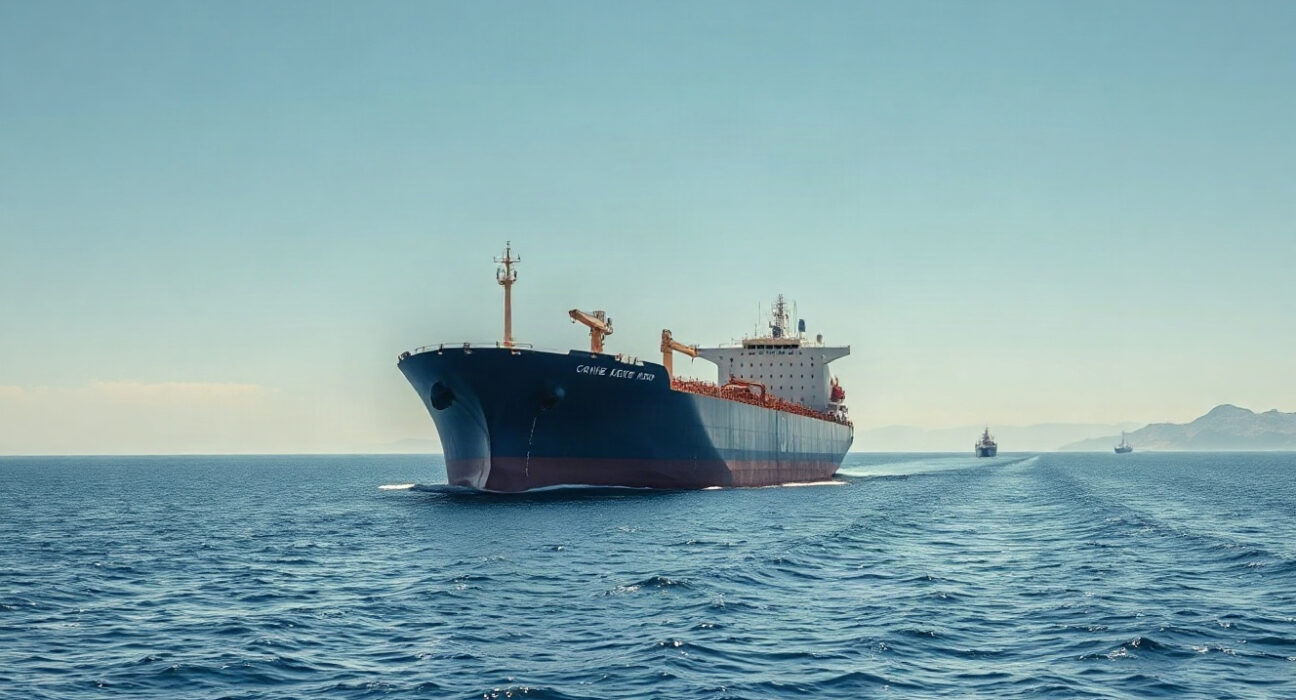
Oil prices remain elevated due to ongoing conflict in the Strait of Hormuz, according to BNY, as geopolitical risks continue to disrupt supply chains and heighten market uncertainty.
BNY’s Assessment of the Hormuz Conflict
BNY, a global financial services firm, has highlighted that the conflict in the Strait of Hormuz is a key factor keeping oil prices elevated. The strait is a critical chokepoint for global oil shipments, and any disruption there has immediate effects on supply and pricing. BNY’s analysis points to sustained geopolitical tensions as a primary driver of current market conditions.
Implications for Global Oil Markets
The ongoing conflict has raised concerns about the security of oil tanker routes, leading to increased risk premiums in the market. Shipping companies may face higher insurance costs, and any actual disruption could delay deliveries, affecting global supply. This situation is particularly significant for countries heavily reliant on Middle Eastern oil, as they may need to seek alternative sources, potentially increasing costs further.
Why This Matters to Consumers and Economies
Elevated oil prices typically translate into higher fuel costs, which can ripple through economies, affecting everything from transportation to manufacturing. For consumers, this could mean increased prices at the pump and for goods. For businesses, it may squeeze margins and slow economic growth. Understanding these dynamics helps stakeholders anticipate market movements and plan accordingly.
Conclusion
In summary, BNY’s assessment underscores the significant impact of the Hormuz conflict on oil prices. As long as geopolitical tensions persist, markets are likely to remain volatile, with elevated prices becoming the norm. Stakeholders should monitor these developments closely, as any escalation could have far-reaching consequences for global energy security and economic stability.
FAQs
Q1: Why is the Strait of Hormuz important for oil prices?
The Strait of Hormuz is a vital maritime route for oil shipments, with a large portion of global crude oil passing through it. Any conflict or disruption in this area can threaten supply, leading to higher prices due to increased risk and potential shortages.
Q2: How does the conflict affect consumers?
Higher oil prices often lead to increased costs for fuel and energy, which can raise the price of goods and services. Consumers may feel this at the pump and in their daily expenses, as businesses pass on higher input costs.
Q3: What should investors watch for?
Investors should monitor geopolitical developments in the region, as well as any changes in oil production or shipping patterns. Policy responses from major economies and OPEC decisions can also influence price trends, so staying informed is crucial.
Disclaimer: The information provided is not trading advice, Bitcoinworld.co.in holds no liability for any investments made based on the information provided on this page. We strongly recommend independent research and/or consultation with a qualified professional before making any investment decisions.
