

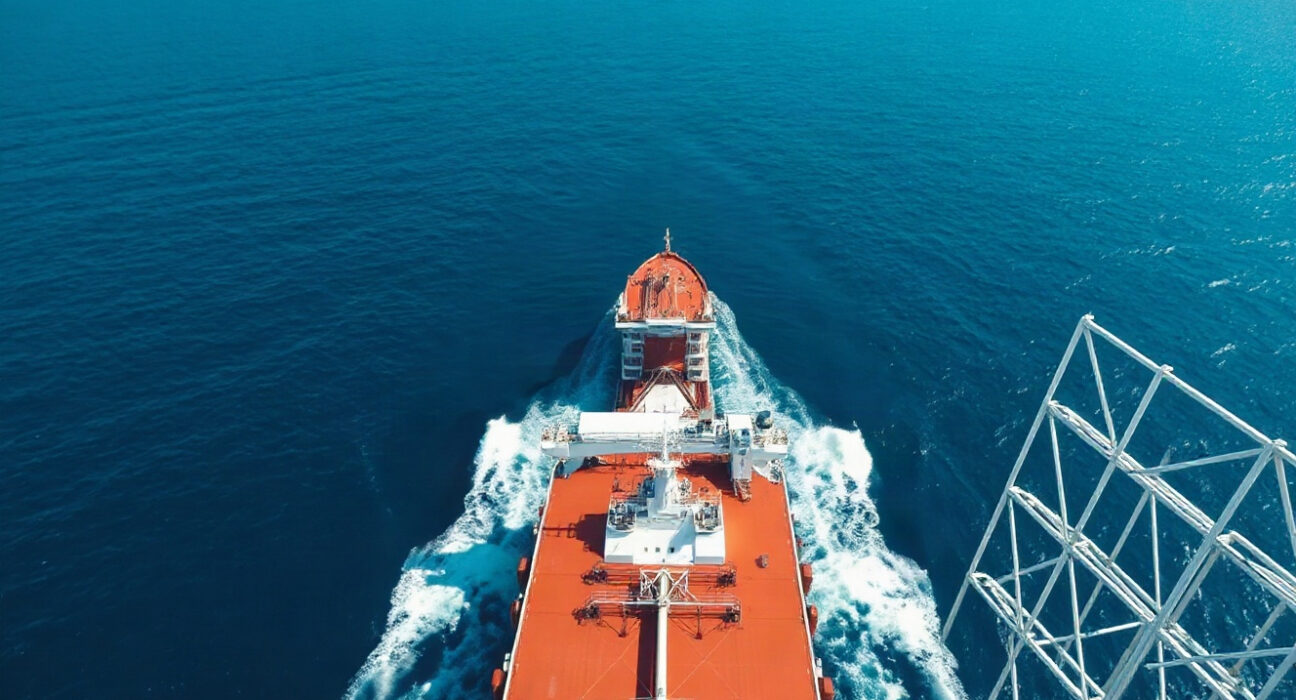
The first vessel strike in the Strait of Hormuz in ten days was reported on [Date of report], marking a significant escalation in maritime security risks just as high-level pressure talks between the United States and South Korea entered a critical phase. The incident, which involved an unidentified commercial vessel, has renewed fears about the safety of the world’s most important oil transit chokepoint, through which roughly 20% of global petroleum consumption passes.
Renewed Threat in a Critical Waterway
The reported strike breaks a ten-day lull in attacks, suggesting that the operational pause by militant groups may be over. The strait, which connects the Persian Gulf with the Gulf of Oman, has been a flashpoint for years, with periodic seizures and attacks on tankers. The latest incident underscores the fragile security environment that shipping companies and insurers must navigate daily. While the specific details of the vessel’s condition and crew status are still emerging, the event immediately impacts risk assessments for the region. This incident is not isolated; it is part of a pattern of maritime aggression that has been closely monitored by naval forces, including the US Navy’s Fifth Fleet, which has increased patrols in the area to deter further escalation.
US-Korea Pressure Talks: Context and Stakes
Simultaneously, the ongoing US-Korea pressure talks are addressing a range of strategic issues, from regional security architecture to economic cooperation. The timing of the maritime strike is likely to inject a sense of urgency into the discussions, particularly concerning the security of energy supply lines. For South Korea, a major importer of crude oil from the Middle East, the stability of the Strait of Hormuz is not just a geopolitical issue but a direct economic lifeline. Any prolonged disruption could lead to significant supply chain bottlenecks and energy price volatility in the region. The talks, therefore, are not occurring in a vacuum; they are being shaped by real-time events that have immediate implications for national and economic security.
Why This Matters for Global Trade and Energy Security
The Strait of Hormuz is a vital artery for global energy supplies. A single significant disruption can send shockwaves through global markets, affecting fuel prices, shipping insurance rates, and overall economic stability. For readers, the connection between a distant maritime incident and local fuel costs is direct. Insurance premiums for tankers transiting the strait have historically spiked following attacks, costs which are ultimately passed down the supply chain. The incident serves as a stark reminder of the geopolitical fragility underpinning global trade, where a localized event can have rapid, worldwide economic consequences.
Conclusion
As the first vessel strike in the strait in ten days unfolds, the intersection with US-Korea pressure talks highlights a complex web of security and economic dependencies. The immediate focus remains on the safety of the crew and the vessel, but the broader implications for maritime security and global energy markets are clear. This event is a critical data point for analysts and policymakers, reinforcing the need for continued diplomatic and naval vigilance in one of the world’s most strategically vital waterways.
FAQs
Q1: What is the strategic importance of the Strait of Hormuz?
The Strait of Hormuz is the world’s most important oil transit chokepoint, with approximately 20% of global petroleum consumption passing through it daily. Its closure or disruption can significantly impact global energy prices and supply chains.
Q2: How does a vessel strike in Hormuz affect global shipping and insurance?
Attacks in the strait typically lead to a rise in war-risk insurance premiums for vessels transiting the area. These increased costs are often passed on to consumers through higher freight rates and ultimately higher prices for goods and fuel.
Q3: What are the US-Korea pressure talks focused on?
While the talks cover a broad agenda, they focus on strategic coordination, regional security, and economic partnership. The recent maritime incident is likely to reinforce the need for joint efforts to secure vital sea lanes and ensure energy stability.
Disclaimer: The information provided is not trading advice, Bitcoinworld.co.in holds no liability for any investments made based on the information provided on this page. We strongly recommend independent research and/or consultation with a qualified professional before making any investment decisions.
