

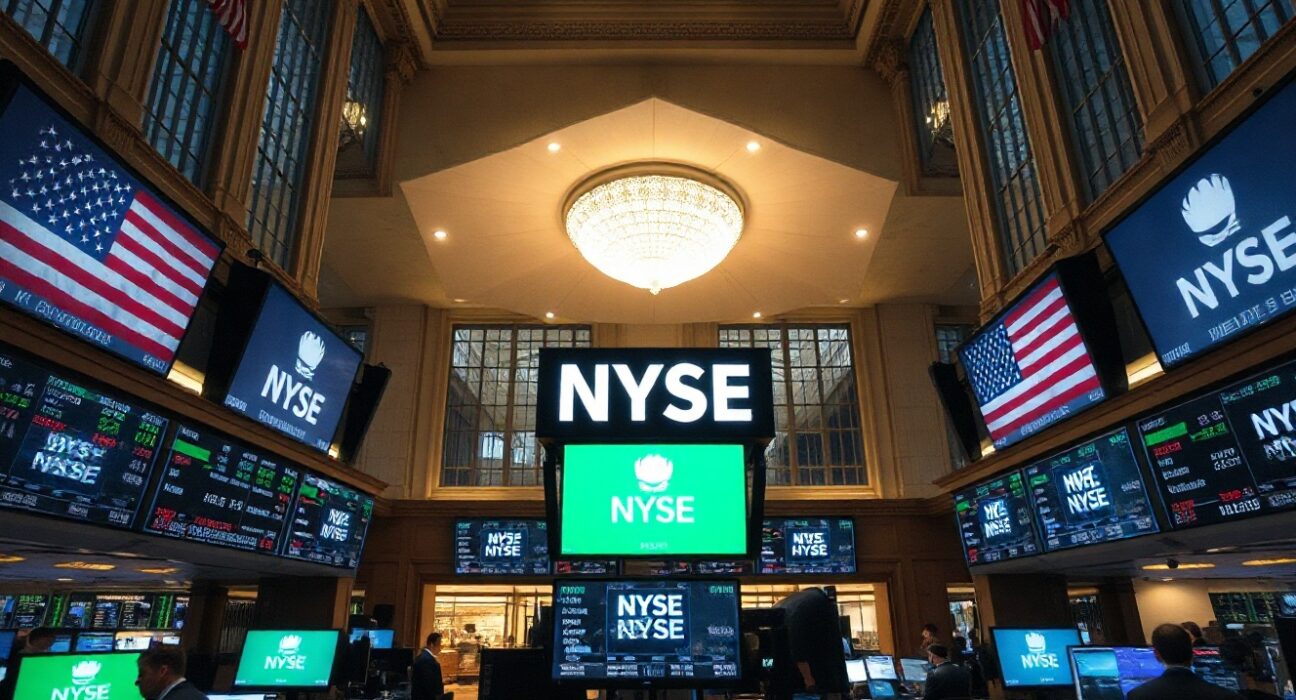
The Dow Jones Industrial Average (DJIA) frequently reacts to geopolitical events later than other major indices, a pattern driven by its unique composition and the behavior of its constituent stocks. As of mid-2025, this lag has been observed in multiple conflict-driven market movements, highlighting how the index’s blue-chip, multinational nature can delay its pricing of war-related risks.
What Makes the Dow Different?
The Dow Jones Industrial Average is a price-weighted index comprising 30 large, established U.S. companies, many with significant global revenue streams. Unlike the broader S&P 500 or the tech-heavy Nasdaq, the Dow’s components are often in sectors like industrials, financials, and consumer goods, which are less directly exposed to immediate geopolitical shocks. For example, when conflict erupts, investors may first sell technology stocks or buy safe-haven assets, while Dow components like defense contractors or infrastructure firms may initially benefit or remain neutral, delaying the index’s overall reaction.
Historical Patterns and Market Behavior
Historical data shows that the Dow often trails the S&P 500 in pricing geopolitical risk. During the Russia-Ukraine conflict in 2022, the Nasdaq and S&P 500 dropped sharply in the first days, while the Dow’s decline was more muted, only fully reflecting the impact after several sessions. Similarly, in the 1991 Gulf War, the Dow initially rose as oil prices spiked, benefiting energy components, before a delayed correction. This pattern suggests that the Dow’s sector mix and price-weighting can obscure the immediate market-wide repricing of war risks.
Why This Matters for Investors
For investors, understanding this lag is crucial for portfolio positioning. If the Dow has not yet fully priced in a geopolitical event, it may present both a risk and an opportunity. Those holding Dow components should monitor global developments closely, as the index may catch up with broader market movements. Conversely, investors looking for a more immediate read on market sentiment during crises might look to the S&P 500 or Nasdaq, which tend to react faster due to their higher weight in technology and growth stocks.
Conclusion
While the Dow Jones Industrial Average remains a key barometer of U.S. equity health, its reaction to geopolitical events is often delayed due to its unique composition. Recognizing this pattern helps investors interpret market movements more accurately and avoid making decisions based on incomplete information. As global tensions continue to influence markets, the Dow’s laggard behavior serves as a reminder that no single index tells the full story.
FAQs
Q1: Why does the Dow react slower to geopolitical events?
The Dow is price-weighted and composed of 30 blue-chip companies with diverse global operations. Many of these firms are in sectors less immediately affected by conflict, such as consumer goods or industrials, which can delay the index’s overall repricing.
Q2: Does the Dow always react last?
Not always, but historically it has often lagged broader indices like the S&P 500 in pricing geopolitical shocks. The degree of lag depends on the nature of the event and which sectors are most impacted.
Q3: How can investors use this knowledge?
Investors can monitor the Dow’s movement relative to other indices during crises. If the Dow has not yet fully reacted, it may signal a potential catch-up move, offering opportunities or warnings depending on one’s position.
Disclaimer: The information provided is not trading advice, Bitcoinworld.co.in holds no liability for any investments made based on the information provided on this page. We strongly recommend independent research and/or consultation with a qualified professional before making any investment decisions.
