

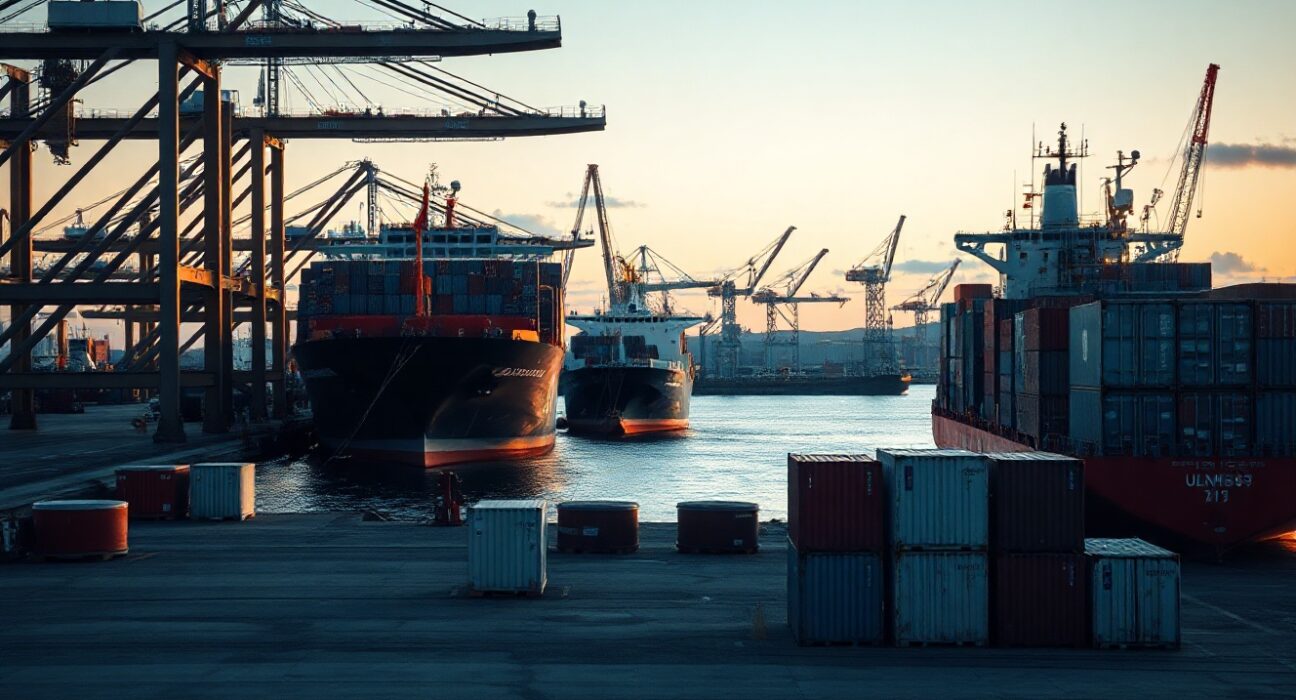
Norway’s trade balance rose to 84.3 billion Norwegian kroner (NOK) in July, up from a revised 61.9 billion in June, according to the latest official data. The significant month-on-month increase underscores the continued strength of Norway’s export sector, particularly in energy and marine products.
What drove the trade surplus higher?
The primary driver behind the widening surplus was a sharp increase in exports, which outpaced the growth in imports. While the data does not break down specific sectors, historical patterns suggest that higher crude oil and natural gas prices, coupled with robust demand from European markets, played a key role. Norway is Western Europe’s largest oil and gas exporter, and its economy remains highly sensitive to fluctuations in energy prices.
How does this compare to recent trends?
Norway’s trade balance has been consistently positive over the past year, but the July figure represents a notable jump. In June, the surplus was 61.9 billion, and the May figure was 55.4 billion, showing a steady upward trajectory. This trend aligns with the Norwegian government’s projections of strong export revenues for 2026, driven by high energy prices and increased production capacity.
Implications for the Norwegian economy
The widening trade surplus is a positive signal for Norway’s overall economic health. A larger surplus means more foreign currency inflows, which supports the krone and strengthens the government’s fiscal position. It also provides a buffer against global economic uncertainties, such as potential slowdowns in key trading partners. However, economists caution that over-reliance on energy exports makes the economy vulnerable to price swings in global commodity markets.
What should readers understand about this data?
For investors and businesses, the July trade balance is a reminder of Norway’s economic resilience, but it also highlights the concentration risk in its export base. The government’s sovereign wealth fund, built on oil revenues, continues to grow, but diversification efforts remain a long-term priority. For the average Norwegian consumer, a strong trade surplus can indirectly support domestic stability, though it does not immediately translate into lower prices or higher wages.
Conclusion
Norway’s trade surplus expanded to 84.3 billion NOK in July, reflecting robust export performance and favorable energy market conditions. While the outlook remains positive, the country’s dependence on energy exports warrants attention to global market trends. The data reinforces Norway’s strong external position and provides a solid foundation for economic policy in the coming months.
FAQs
Q1: What is a trade balance?
A trade balance is the difference between a country’s exports and imports over a specific period. A positive balance (surplus) means exports exceed imports, while a negative balance (deficit) indicates the opposite.
Q2: Why did Norway’s trade balance increase so sharply in July?
The increase was primarily due to a significant rise in exports, likely driven by higher energy prices and strong demand from European markets. The data does not provide a sector breakdown, but oil and gas exports are the main contributors to Norway’s trade surplus.
Q3: How does Norway’s trade balance affect its currency?
A larger trade surplus generally strengthens a country’s currency because it increases demand for the local currency to pay for exports. In Norway’s case, the surplus supports the krone and contributes to the country’s overall economic stability.
Disclaimer: The information provided is not trading advice, Bitcoinworld.co.in holds no liability for any investments made based on the information provided on this page. We strongly recommend independent research and/or consultation with a qualified professional before making any investment decisions.
