

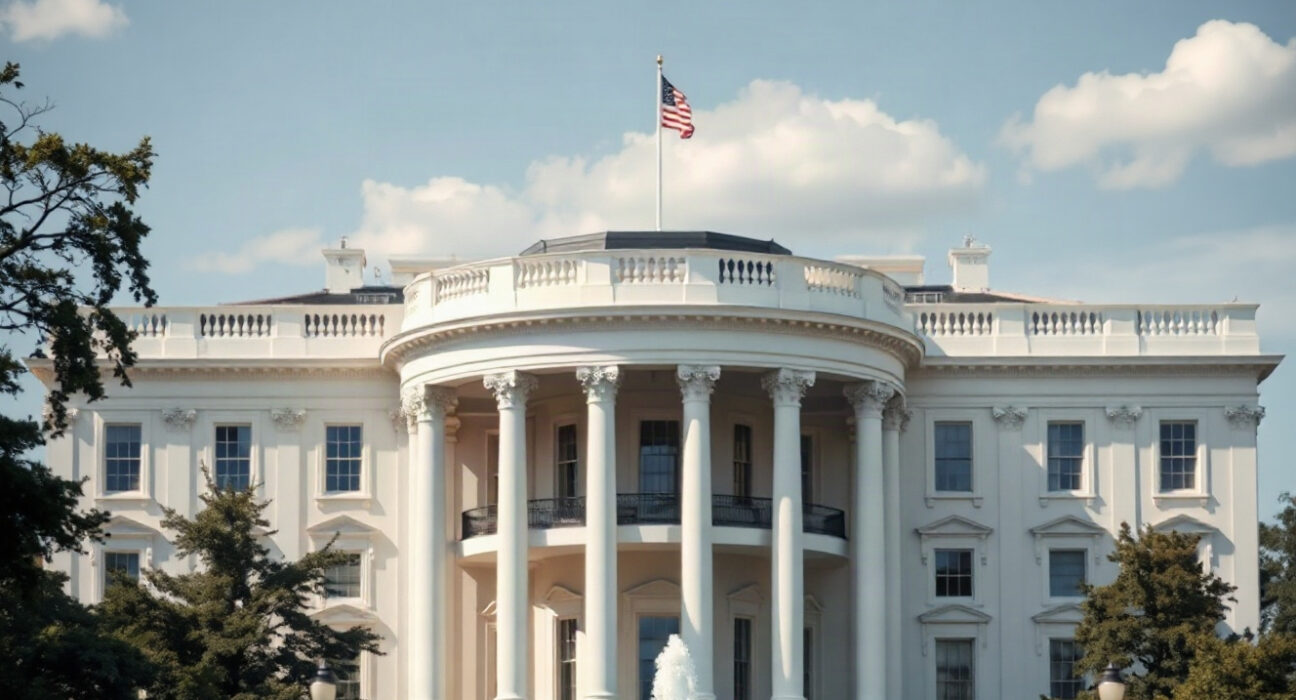
President Donald Trump announced on August 20 a new set of economic sanctions against Iran, describing them as the strongest ever imposed on the country. The measures, which target Iran’s financial institutions, oil exports, and other key sectors, mark a significant escalation in the administration’s maximum pressure campaign.
Context and Rationale
The announcement follows months of stalled negotiations over Iran’s nuclear program. Trump stated that Iran had been given more opportunities than any other nation to reach a diplomatic agreement but had failed to take them. He asserted that the new sanctions would create an unprecedented economic war and isolation campaign, aiming to cut off all revenue streams to the Iranian government.
In his remarks, Trump claimed that Iran’s military capabilities have been severely degraded, including its navy, air force, and military production facilities. He also said the Iranian currency has lost significant value, and the country is in a precarious economic state. These assertions, while not independently verified, reflect the administration’s narrative of applying maximum pressure.
Key Provisions of the Sanctions
The new measures are designed to close loopholes and block all circumvention routes. Specific targets include:
- Oil smuggling networks and related shipping operations
- Currency swaps and cash transfers through exchange houses
- Ship registrations and paper companies used to evade sanctions
- Any foreign financial institution or company that facilitates trade with Iran
Trump also warned that any country providing support to Iran—whether through financial institutions, companies, airports, or government agencies—would face steep economic costs. He called on allies to join the United States in isolating Iran, framing the effort as an economic version of D-Day.
Implications for Global Markets and Diplomacy
The announcement is likely to have significant repercussions for global oil markets, as Iran is a major producer. Sanctions targeting oil exports could tighten supply and affect prices, impacting economies worldwide. Additionally, the move may strain relations with European and Asian allies who have sought to preserve the 2015 nuclear deal, from which the U.S. withdrew in 2018.
Analysts suggest that the new sanctions could further destabilize the Middle East, potentially leading to heightened tensions and retaliation from Iran. However, the full impact remains uncertain, and international reaction is still developing.
Conclusion
The Trump administration’s latest sanctions on Iran represent a hardline approach aimed at crippling the Iranian economy and forcing a change in behavior. While the measures are framed as a path to preventing nuclear proliferation, they also carry risks of regional instability and economic disruption. As the situation evolves, the international community will be watching closely to see how Iran responds and whether the pressure campaign achieves its stated goals.
FAQs
Q1: What are the new sanctions on Iran?
The new sanctions target Iran’s financial sector, oil exports, and other key industries, aiming to block all revenue streams. They include measures against oil smuggling, currency swaps, and foreign entities that facilitate trade with Iran.
Q2: How will these sanctions affect global oil prices?
Since Iran is a significant oil producer, sanctions that limit its exports could reduce global supply, potentially leading to higher oil prices. The exact impact depends on how strictly the sanctions are enforced and whether other producers compensate for the shortfall.
Q3: What is the goal of the maximum pressure campaign?
The stated goal is to force Iran to renegotiate its nuclear program and curb its regional activities. The administration believes that economic pressure will compel Iran to come to the table, though critics argue it may instead lead to escalation.
Disclaimer: The information provided is not trading advice, Bitcoinworld.co.in holds no liability for any investments made based on the information provided on this page. We strongly recommend independent research and/or consultation with a qualified professional before making any investment decisions.
