

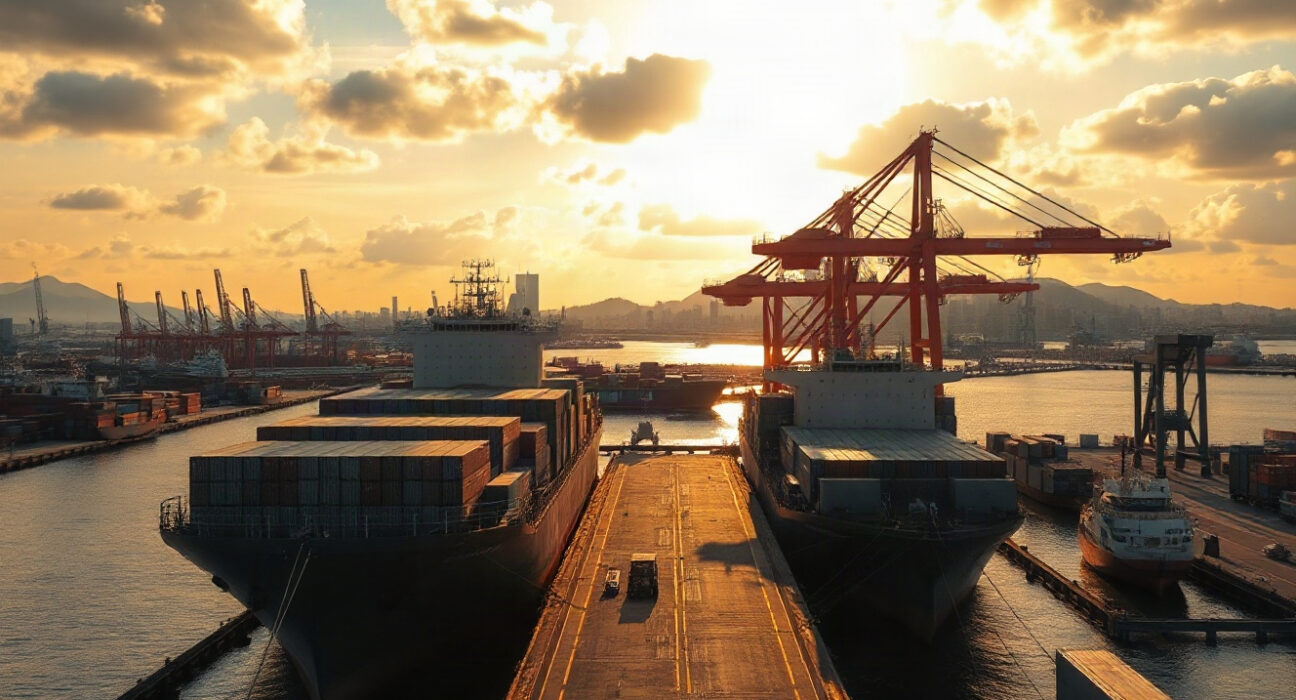
Japan’s merchandise trade balance came in at ¥-634.5 billion in July, narrower than the expected deficit of ¥-680 billion, according to data released by the Ministry of Finance on Wednesday. The improvement reflects resilient export volumes and easing import costs, offering a mixed signal for the world’s fourth-largest economy.
What the latest data shows
The July trade gap narrowed from the previous month’s revised deficit of ¥-820 billion, marking a modest improvement. Exports rose 2.1% year-on-year, driven by shipments of semiconductor manufacturing equipment and electronic components to Asia. Imports increased 1.8%, but slower than in prior months, as energy prices softened.
The better-than-expected reading suggests external demand remains supportive, even as global growth slows. However, the deficit marks the 23rd consecutive month of shortfalls, underscoring persistent structural challenges.
Why it matters for the economy and markets
The trade balance is a key indicator for Japan’s growth outlook and currency direction. A narrower deficit reduces downward pressure on the yen, which has been hovering near multi-decade lows. For policymakers, the data may influence the timing of further interest rate hikes by the Bank of Japan.
For businesses, the figures signal that export competitiveness remains intact, particularly in high-tech sectors. Yet, the continued reliance on imported energy and raw materials leaves the economy vulnerable to global price shocks.
Regional breakdown and sector highlights
Exports to Asia, which account for about half of Japan’s total, increased 3.4% year-on-year, led by demand from China for chip-making equipment. Shipments to the United States grew 1.2%, while those to the European Union fell 1.5% amid weak auto sales.
On the import side, mineral fuel imports dropped 4.2% from a year earlier, reflecting lower crude oil prices. Imports of computer and electronic components rose 5.6%, indicating ongoing supply chain adjustments.
Conclusion
Japan’s July trade data shows a narrower-than-expected deficit, driven by solid export growth and softer import costs. While the improvement is welcome, the persistent deficit and external risks mean the economy’s trade outlook remains uncertain. The figures will be closely watched by the Bank of Japan and market participants for clues on future policy direction.
FAQs
Q1: What is Japan’s merchandise trade balance?
The merchandise trade balance measures the difference between a country’s exports and imports of physical goods. A negative value indicates a trade deficit, meaning imports exceed exports.
Q2: Why did the trade deficit narrow in July?
The deficit narrowed because exports grew faster than imports. Exports rose 2.1% year-on-year, helped by strong demand for semiconductor equipment, while import growth slowed to 1.8% as energy prices eased.
Q3: How does the trade balance affect the yen?
A narrower trade deficit reduces the supply of yen sold to buy foreign currency, which can support the yen’s value. Conversely, a widening deficit tends to weaken the yen.
Disclaimer: The information provided is not trading advice, Bitcoinworld.co.in holds no liability for any investments made based on the information provided on this page. We strongly recommend independent research and/or consultation with a qualified professional before making any investment decisions.
