

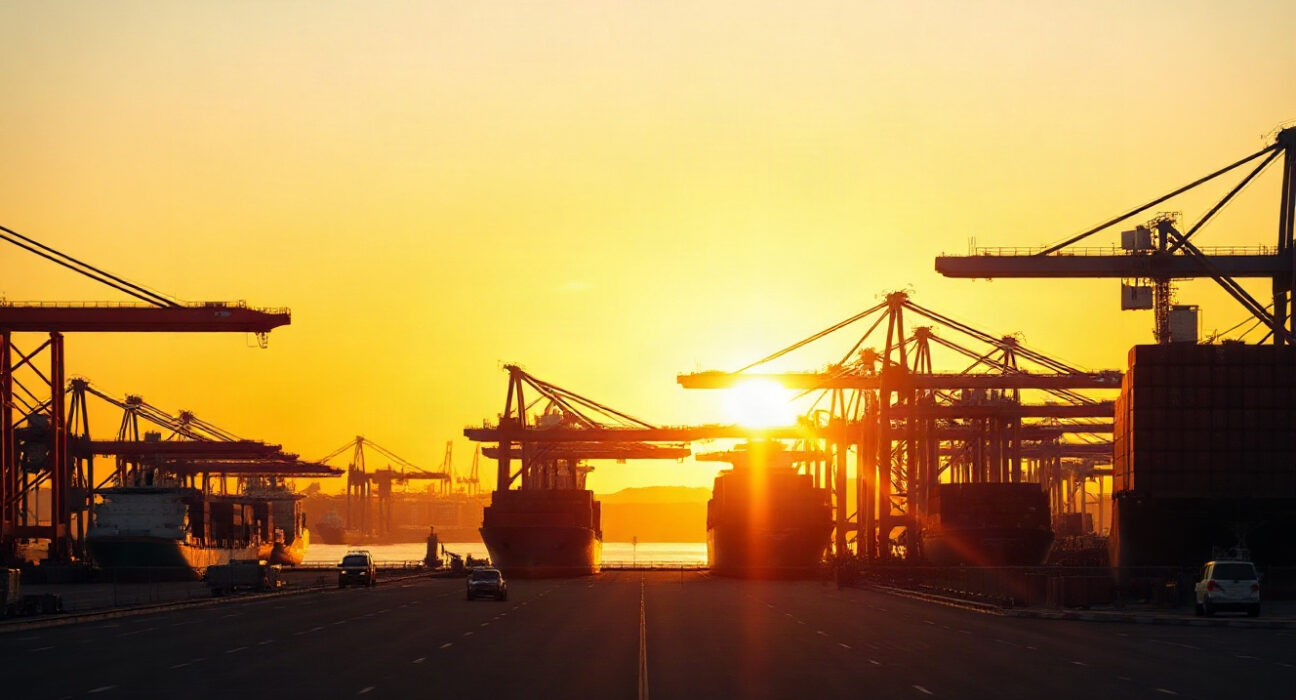
Argentina’s trade balance registered a surplus of $2,115 million in July, exceeding market forecasts of $1,850 million, according to the latest official data. The better-than-expected performance reflects a continued trend of export strength and import moderation, offering a positive signal for the country’s external accounts.
Why the Trade Surplus Matters
The trade balance is a key indicator of an economy’s competitiveness and its ability to generate foreign currency. A larger surplus can help bolster central bank reserves, support the peso, and provide a buffer against external shocks. In Argentina’s context, where foreign exchange reserves are often under pressure, this result is particularly significant.
Analysts had anticipated a narrower surplus, but the actual figure came in 14.3% above expectations. This upside surprise could be attributed to robust agricultural exports, particularly soybeans and corn, which are harvested in the first half of the year and shipped in subsequent months. Additionally, energy imports may have declined due to increased domestic production from the Vaca Muerta shale formation.
Market Reaction and Implications
Financial markets often react positively to trade balance beats, as they suggest a stronger external position. In July, the data may have contributed to a slight appreciation of the Argentine peso in informal markets and a reduction in country risk, though these effects can be short-lived if other fundamentals remain weak.
For businesses and investors, a healthy trade surplus can signal stability and reduce the likelihood of sudden currency devaluations. However, economists caution that one month’s data does not constitute a trend, and structural issues such as inflation and fiscal deficits remain pressing.
What to Watch Next
Looking ahead, the sustainability of this surplus will depend on global commodity prices, weather conditions affecting harvests, and the pace of domestic economic activity. If imports rise as the economy recovers, the surplus could narrow in coming months. The government’s policies on export taxes and import restrictions will also play a crucial role.
Conclusion
Argentina’s July trade balance outperformed expectations, reaching $2,115 million against a forecast of $1,850 million. While the surplus is a positive development, its durability remains uncertain amid broader economic challenges. The data provides a glimmer of hope for external stability, but structural reforms are still needed to ensure long-term growth.
FAQs
Q1: What is the trade balance?
The trade balance is the difference between a country’s exports and imports of goods and services. A positive balance (surplus) means exports exceed imports.
Q2: Why did Argentina’s trade surplus exceed forecasts?
The surplus was likely driven by strong agricultural exports and reduced energy imports, reflecting both seasonal factors and increased domestic energy production.
Q3: How does the trade balance affect the average citizen?
A healthy trade surplus can help stabilize the currency and reduce inflation pressures, indirectly benefiting consumers. It also supports foreign investment and job creation in export-oriented sectors.
Disclaimer: The information provided is not trading advice, Bitcoinworld.co.in holds no liability for any investments made based on the information provided on this page. We strongly recommend independent research and/or consultation with a qualified professional before making any investment decisions.
