

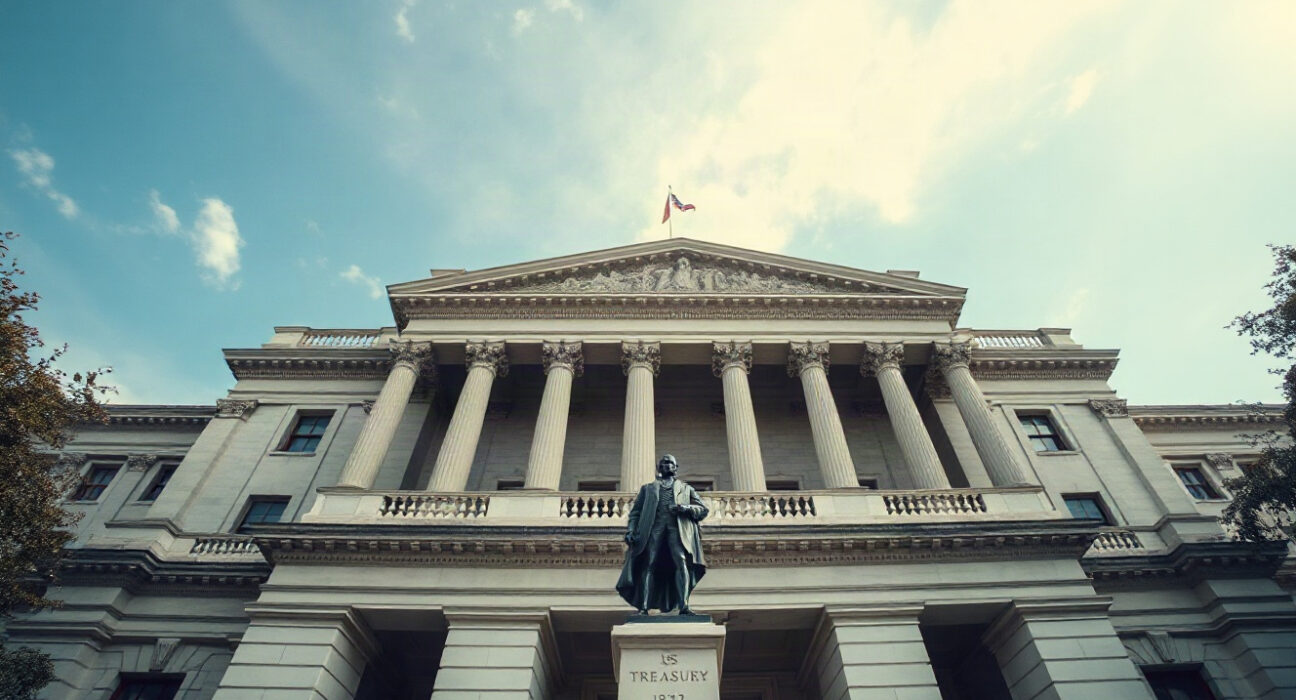
US Treasury Secretary Scott Bessent announced on [date of announcement, e.g., February 4, 2025] that the United States is launching an “economic onslaught” against Iran’s financial connections, intensifying sanctions aimed at choking off the regime’s revenue streams, particularly its oil exports.
What Does the ‘Economic Onslaught’ Entail?
The new campaign, as outlined by Secretary Bessent, focuses on disrupting the financial networks that facilitate Iran’s oil sales and other trade activities. This involves targeting both Iranian entities and foreign companies that assist in evading existing sanctions. The strategy builds on a series of executive orders and sanctions designations that have progressively tightened economic pressure on Tehran since the change in US administration.
Bessent emphasized that the goal is to deny Iran the financial resources it uses to fund destabilizing activities in the Middle East, including support for proxy groups and its nuclear program. The Treasury’s actions are designed to isolate Iran from the global financial system, making it increasingly difficult for the country to conduct international business.
Why Is This Significant?
This move represents a clear policy directive from the new administration, signaling a return to a “maximum pressure” approach similar to that of the previous Trump presidency. However, Bessent’s framing of an “economic onslaught” suggests a more aggressive and coordinated effort than before, potentially involving closer cooperation with international partners and a wider net of sanctions enforcement.
The announcement comes amid heightened tensions in the Middle East, with ongoing conflicts involving Iran-backed forces. By targeting Iran’s financial lifelines, the US aims to weaken Tehran’s ability to project military power and influence across the region. The effectiveness of such measures, however, remains a subject of debate among analysts, as Iran has historically found ways to adapt to sanctions.
Impact on Oil Markets and Global Economy
Iran is a significant oil producer, and stricter enforcement of sanctions could tighten global supply, potentially affecting oil prices. The move is likely to be closely watched by energy markets and by countries that import Iranian crude, such as China. The US Treasury has indicated that it will also target shipping and insurance companies that facilitate Iranian oil shipments, aiming to close loopholes that have allowed some trade to continue.
Conclusion
The US Treasury’s “economic onslaught” against Iran marks a significant escalation in economic pressure, with broad implications for regional security, global energy markets, and international finance. While the full impact remains to be seen, the policy clearly signals the administration’s intent to use all economic tools to confront Iran. The coming months will reveal how effective these measures are in altering Iran’s behavior and whether they lead to a new round of diplomatic engagement or further confrontation.
FAQs
Q1: What exactly is the “economic onslaught” announced by Treasury Secretary Bessent?
A1: It is a new US sanctions campaign aimed at disrupting Iran’s financial networks, particularly its oil sales and international trade, to cut off revenue streams that fund regional destabilization and its nuclear program.
Q2: How will these new sanctions affect oil prices?
A2: Stricter enforcement of sanctions on Iranian oil could reduce global supply, potentially putting upward pressure on oil prices, though the impact will depend on how effectively the sanctions are implemented and how other producers respond.
Q3: What is the broader context of this policy?
A3: The policy reflects a return to a “maximum pressure” strategy against Iran, aiming to economically isolate it. It is part of a broader US approach to counter Iran’s influence in the Middle East, but its long-term effectiveness remains uncertain.
Disclaimer: The information provided is not trading advice, Bitcoinworld.co.in holds no liability for any investments made based on the information provided on this page. We strongly recommend independent research and/or consultation with a qualified professional before making any investment decisions.
