

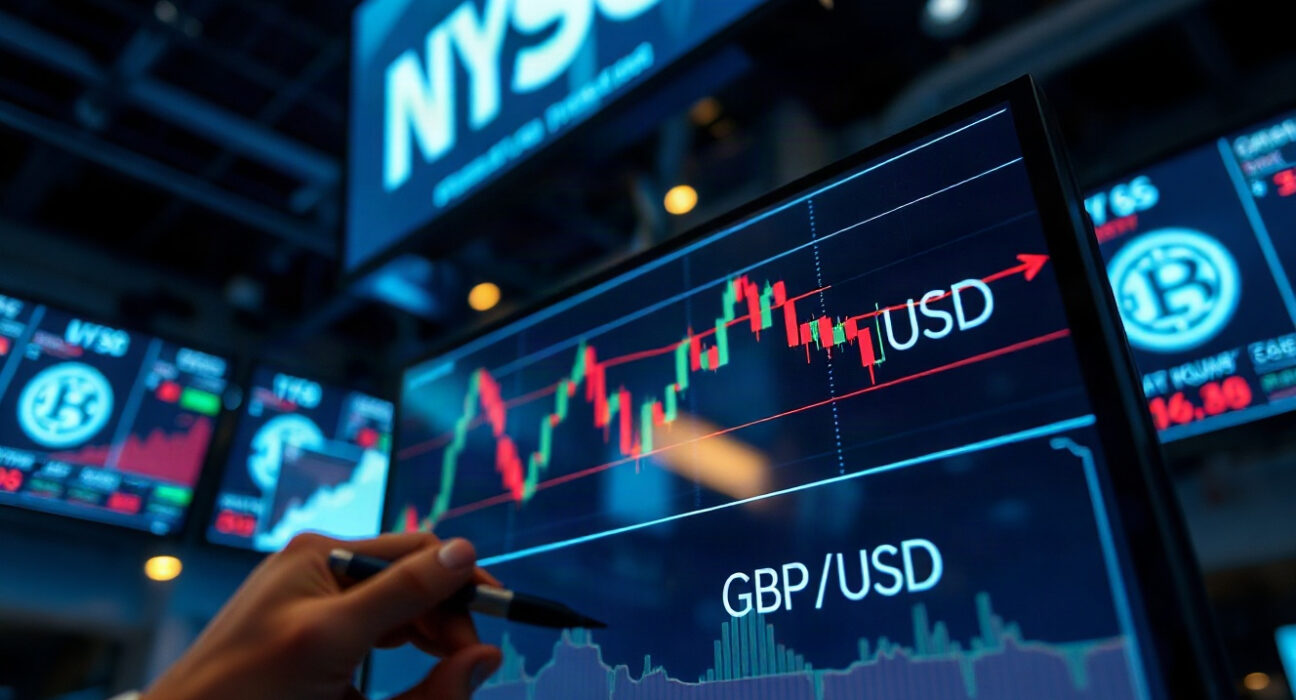
The British pound is trading near a six-month high against the US dollar, supported by a broad improvement in market sentiment fueled by hopes for a de-escalation of tensions in the Strait of Hormuz, as of [Current Date]. This risk-on mood is weighing on the safe-haven US dollar, providing a tailwind for the GBP/USD pair, which has been climbing steadily in recent sessions.
What is Driving the Pound’s Strength Against the Dollar?
The primary catalyst for the pound’s recent gains is the shift in global risk appetite. Reports suggesting a potential diplomatic breakthrough regarding shipping security in the Strait of Hormuz have eased fears of a wider conflict, prompting investors to move away from safe-haven assets like the US dollar and into riskier currencies, including the British pound. This movement is a classic market reaction to a perceived reduction in geopolitical risk.
Alongside the geopolitical factors, the pair is also finding support from the relative monetary policy stances of the Bank of England (BoE) and the US Federal Reserve. While both central banks are navigating inflationary pressures, the market is currently pricing in a potentially more hawkish path for the BoE compared to the Fed, which narrows the interest rate differential and makes the pound more attractive to yield-seeking investors. The upcoming UK economic data releases, particularly inflation figures, will be crucial in confirming or challenging this market expectation.
Technical Outlook and Key Levels for GBP/USD
From a technical perspective, the GBP/USD pair is exhibiting strong bullish momentum. Having broken above previous resistance levels, the pair is now consolidating near its highest point in six months. A sustained break above the current level could open the door for further upside, with traders eyeing key psychological and technical resistance zones. Conversely, a failure to hold these gains could lead to a pullback, with support levels emerging at recent breakout points.
What Should Traders Watch Next?
For traders and investors, the immediate focus will be on any official statements or concrete agreements regarding the Hormuz situation, as headlines will likely dictate short-term volatility. Additionally, the economic calendar is packed with high-impact events, including the release of UK CPI and US employment data. These indicators will provide fresh insights into the respective central banks’ next moves and will be significant drivers for the GBP/USD exchange rate in the coming days.
Conclusion
In summary, the GBP/USD pair is riding a wave of positive sentiment, buoyed by geopolitical hopes and monetary policy expectations. While the short-term outlook appears constructive, the market remains sensitive to news flow from the Middle East and economic data from both sides of the Atlantic. The coming sessions will be pivotal in determining whether the pound can sustain its upward trajectory or if a period of consolidation is on the horizon.
FAQs
Q1: What does a ‘six-month high’ mean for GBP/USD?
It means that the value of the British pound relative to the US dollar has reached its strongest point in the last six months of trading. This indicates significant upward momentum for the pair over that period.
Q2: How do geopolitical events like the Hormuz situation affect currency markets?
Geopolitical tensions typically increase market uncertainty, driving investors toward safe-haven assets like the US dollar and gold. When tensions ease, as hoped in the Hormuz situation, investors are more willing to take on risk, which can boost currencies like the British pound.
Q3: What is the role of the Bank of England in the GBP/USD exchange rate?
The Bank of England’s monetary policy, particularly its decisions on interest rates, is a primary driver for the pound. If the market expects the BoE to raise rates faster or higher than the US Federal Reserve, the pound typically strengthens against the dollar.
Disclaimer: The information provided is not trading advice, Bitcoinworld.co.in holds no liability for any investments made based on the information provided on this page. We strongly recommend independent research and/or consultation with a qualified professional before making any investment decisions.
