

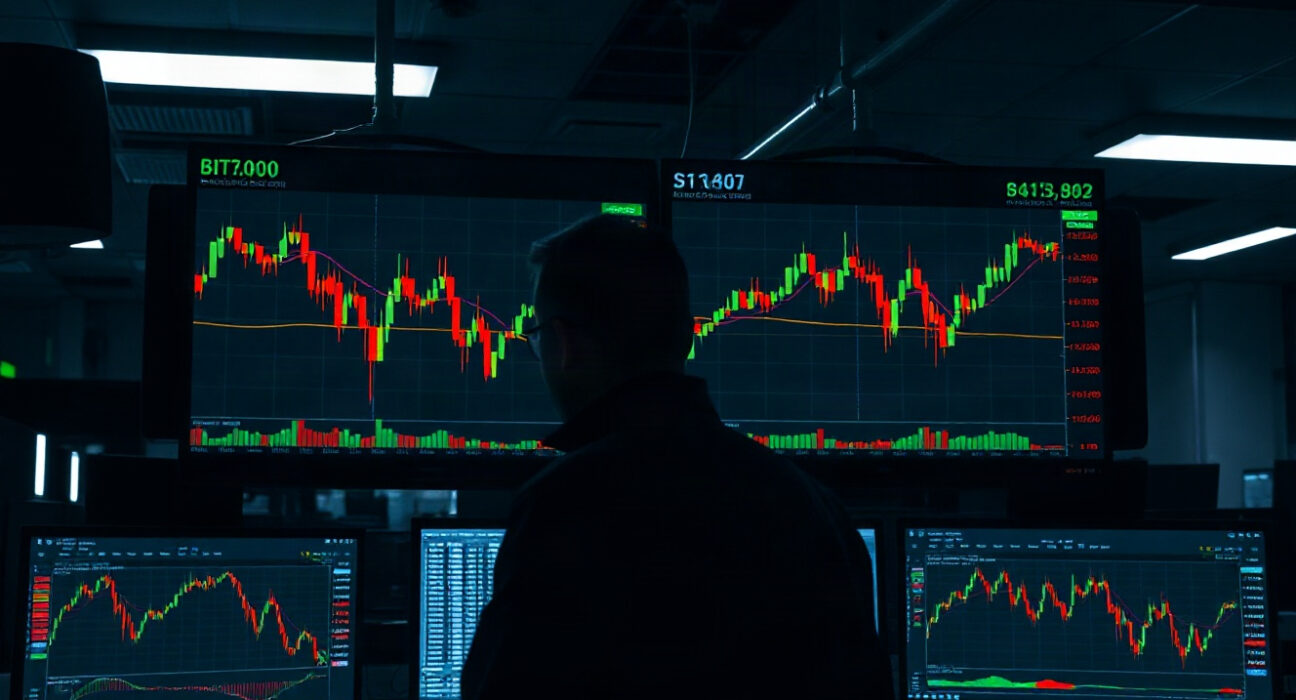
The cryptocurrency derivatives market saw a sharp spike in volatility over the past hour, with roughly $119 million worth of futures positions liquidated across major exchanges. This brings the total liquidations over the last 24 hours to approximately $650 million, according to data from leading market tracking platforms.
What’s Driving the Liquidations?
Liquidations occur when a trader’s leveraged position is forcibly closed due to insufficient margin, typically triggered by sharp price movements. The recent surge in liquidation volume suggests that many traders were caught off guard by rapid price swings, particularly in Bitcoin and Ethereum, which account for a significant share of the open interest in the derivatives market.
While the exact cause of the price movement is not immediately clear, analysts point to a combination of factors, including macroeconomic uncertainty, profit-taking after recent gains, and thin liquidity during off-peak trading hours. These conditions can amplify price swings, leading to cascading liquidations as automated risk management systems kick in.
Market Impact and Trader Sentiment
The liquidation event has injected a fresh wave of caution into the market. Open interest in futures has dipped slightly, and funding rates on some exchanges have turned negative, indicating that short sellers are now paying longs—a sign that sentiment may be shifting.
For retail traders, the episode serves as a reminder of the risks associated with high leverage. Many exchanges offer leverage of up to 100x, which can lead to rapid losses even in relatively stable markets. The recent activity underscores the importance of risk management, including setting stop-loss orders and avoiding over-leveraged positions.
What Should Traders Watch Next?
Market participants are closely monitoring key support and resistance levels for Bitcoin and Ethereum. A sustained break below major support could trigger another round of liquidations, while a quick recovery might restore confidence. Additionally, broader macroeconomic events, such as central bank policy announcements or regulatory updates, could influence market direction in the coming days.
It is also worth noting that liquidation data is often backward-looking, and while it provides useful insight into market positioning, it does not predict future price movements. Traders should rely on a combination of technical analysis, on-chain metrics, and fundamental news rather than reacting solely to liquidation spikes.
Conclusion
The recent spike in futures liquidations highlights the inherent volatility of the cryptocurrency market and the risks associated with leveraged trading. While such events can create opportunities for well-positioned traders, they also serve as a cautionary tale about the importance of prudent risk management. As the market continues to digest these moves, participants should remain vigilant and informed.
FAQs
Q1: What are crypto futures liquidations?
Futures liquidations occur when a trader’s leveraged position is automatically closed by the exchange because the margin balance falls below the required maintenance level. This usually happens when the market moves against the position.
Q2: How can I avoid getting liquidated?
To reduce liquidation risk, traders can use lower leverage, set stop-loss orders, maintain a sufficient margin buffer, and avoid overconcentrating positions in a single asset. Staying informed about market conditions and using risk management tools is essential.
Q3: Do liquidations affect the broader crypto market?
Yes, large liquidation events can increase volatility and lead to cascading price moves, especially when many positions are liquidated in a short period. However, the impact is often short-lived, and the market can stabilize once the excess leverage is flushed out.
Disclaimer: The information provided is not trading advice, Bitcoinworld.co.in holds no liability for any investments made based on the information provided on this page. We strongly recommend independent research and/or consultation with a qualified professional before making any investment decisions.
