

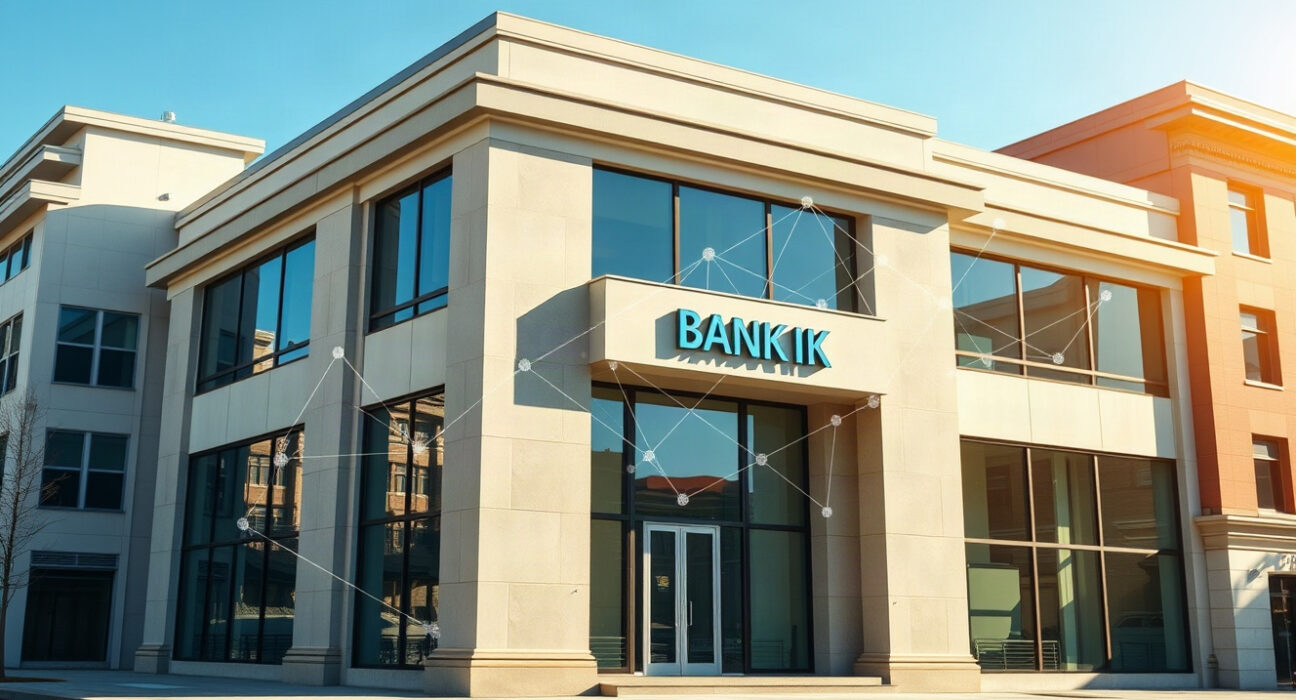
Thirty-nine U.S. state banking associations have announced plans to build BankChain Alliance, a blockchain network designed specifically for the banking sector. The initiative, first reported by CoinDesk, targets a 2027 launch and aims to support stablecoins, tokenized deposits, and smart payments. The network will be designed and operated directly by the banking industry, with interoperability with other networks as a key goal.
Background and Industry Context
The BankChain Alliance represents a significant step by traditional banking institutions to embrace blockchain technology. By forming a cooperative network, the participating associations aim to provide a regulated and secure infrastructure that can serve financial institutions of all sizes. This move comes as the broader financial industry increasingly explores distributed ledger technology for payments and settlement, while also facing pressure from fintech and crypto-native competitors.
Key Features and Goals
According to the report, the network is expected to support stablecoins, tokenized deposits, and smart payments. These features could enable faster, more efficient transactions and reduce reliance on legacy systems. The project is currently seeking a technology partner to lead development, indicating that the banking groups are looking for specialized expertise to bring the network to life.
Why This Matters
For the banking industry, the BankChain Alliance could provide a way to offer modern financial services while maintaining regulatory compliance and security. Kathy Kraninger, interim chair and CEO of the Florida Bankers Association, emphasized that the network would be “regulated and secure,” allowing financial institutions of all sizes to participate. This is particularly important for smaller banks that may lack the resources to develop their own blockchain solutions.
Implications and Outlook
The success of BankChain Alliance will depend on several factors, including the selection of a technology partner, regulatory approvals, and adoption by member banks. If launched as planned, the network could position U.S. banks at the forefront of blockchain-based financial services, potentially influencing how traditional finance integrates with digital assets. However, challenges remain, including the need for robust security measures, interoperability with existing systems, and clear regulatory guidance.
Conclusion
The BankChain Alliance is a notable development in the ongoing convergence of banking and blockchain. By uniting state banking associations, the initiative aims to create a shared infrastructure that could enhance the efficiency and competitiveness of the U.S. banking sector. As the project moves forward, its progress will be closely watched by industry observers and market participants.
FAQs
Q1: What is the BankChain Alliance?
The BankChain Alliance is a proposed blockchain network for the banking sector, planned by 39 U.S. state banking associations. It aims to support stablecoins, tokenized deposits, and smart payments, with a target launch in 2027.
Q2: Why are state banking groups building this network?
The network is intended to provide a regulated and secure blockchain infrastructure that allows financial institutions of all sizes to offer modern financial services, while maintaining compliance and security.
Q3: Who is involved in the project?
Thirty-nine U.S. state banking associations are involved, with the Florida Bankers Association’s interim chair and CEO, Kathy Kraninger, serving as a spokesperson. The project is currently seeking a technology partner to lead development.
Disclaimer: The information provided is not trading advice, Bitcoinworld.co.in holds no liability for any investments made based on the information provided on this page. We strongly recommend independent research and/or consultation with a qualified professional before making any investment decisions.
