

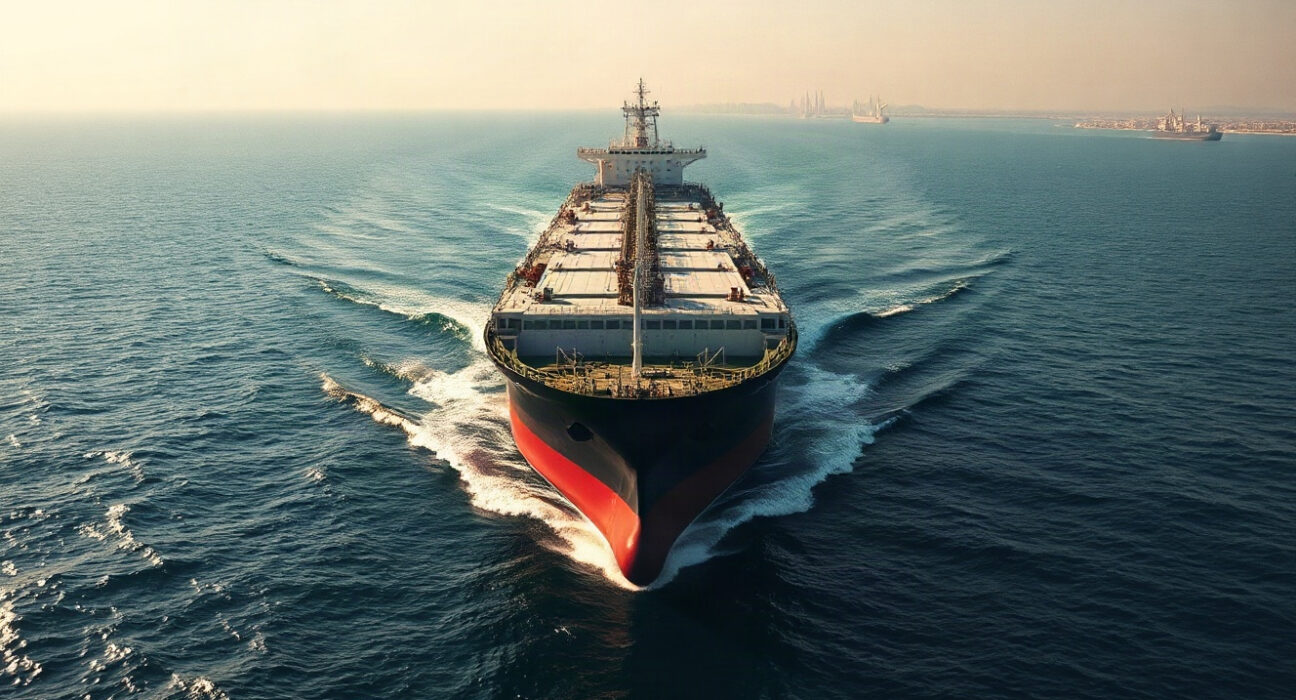
MUFG has identified the Strait of Hormuz as a key risk to oil prices, citing potential traffic disruptions and policy shifts that could tighten global supply. The bank’s analysis, released this week, points to the waterway’s critical role in moving roughly 20% of global oil consumption, making any disruption a direct threat to price stability.
Why the Strait of Hormuz Matters for Oil Markets
The Strait of Hormuz, a narrow passage between Oman and Iran, is the world’s most important oil chokepoint. According to the U.S. Energy Information Administration, about 21 million barrels of oil and refined products pass through it daily. MUFG’s report emphasizes that even the threat of closure or harassment by regional actors can trigger risk premiums, as seen in past incidents. The bank notes that while actual blockades are rare, the mere possibility of disruption forces traders to price in uncertainty.
Policy Risks: Sanctions, OPEC+, and Strategic Reserves
Beyond physical traffic, MUFG highlights policy risks that could influence oil prices. Tightening sanctions on Iranian and Venezuelan crude could remove barrels from the market, while OPEC+ decisions on production quotas remain a wildcard. The report also mentions the potential for coordinated releases from strategic petroleum reserves, a tool used by major consumers to counter price spikes. These policy levers, combined with Hormuz vulnerability, create a complex risk landscape for oil in 2026.
What This Means for Prices and Consumers
For consumers and businesses, the practical takeaway is that oil prices are likely to remain volatile. MUFG suggests that any escalation in the region could push Brent crude higher, with knock-on effects on gasoline and heating costs. Conversely, diplomatic progress or increased OPEC+ output could ease pressure. Investors should watch for signals from Washington and Tehran, as well as shipping insurance rates, which often act as an early indicator of perceived risk.
Conclusion
MUFG’s warning underscores the fragile balance in global oil markets. The Strait of Hormuz remains a strategic vulnerability, and policy decisions in the coming months will be pivotal. For now, market participants should prepare for continued uncertainty, with geopolitical headlines likely to drive price swings.
FAQs
Q1: How much oil passes through the Strait of Hormuz daily?
Approximately 21 million barrels of oil and refined products transit the Strait each day, about 20% of global consumption.
Q2: What policy risks does MUFG highlight?
MUFG points to potential sanctions on Iran and Venezuela, OPEC+ production decisions, and possible strategic reserve releases as key policy factors.
Q3: How could Hormuz disruptions affect consumers?
Any disruption could raise global oil prices, leading to higher fuel and energy costs for consumers and businesses.
Disclaimer: The information provided is not trading advice, Bitcoinworld.co.in holds no liability for any investments made based on the information provided on this page. We strongly recommend independent research and/or consultation with a qualified professional before making any investment decisions.
