

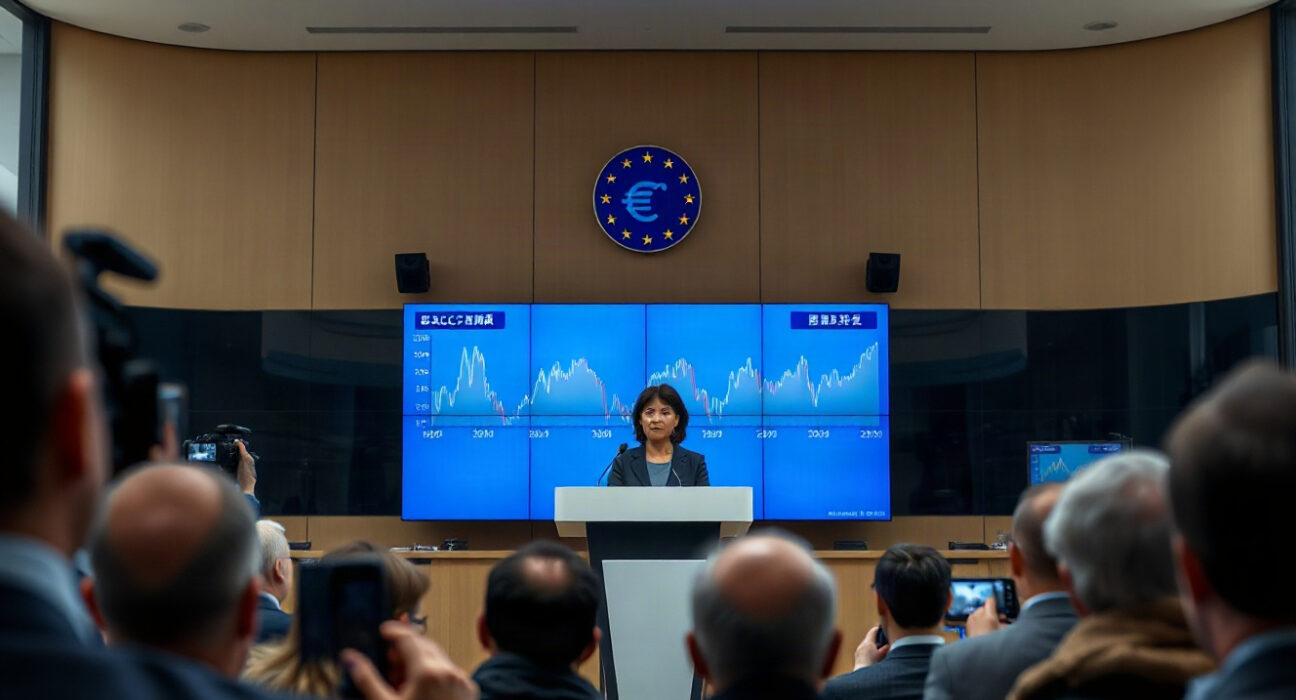
European Central Bank policymaker Robert Kocher said on [date] that the Eurozone economy is showing signs of momentum, but warned that this growth could threaten price stability, according to remarks reported by [source]. Kocher’s comments come as the ECB navigates a delicate balance between supporting economic recovery and keeping inflation in check.
What did Kocher say about the economy?
Kocher acknowledged that recent economic indicators point to a pickup in activity across the Eurozone, with stronger-than-expected growth in some sectors. However, he cautioned that this momentum could reignite inflationary pressures, complicating the ECB’s monetary policy stance. His remarks reflect growing concern among policymakers that the recovery may be uneven and could require tighter policy sooner than previously anticipated.
Why does this matter for price stability?
Price stability is the ECB’s primary mandate, with a target of 2% inflation over the medium term. While inflation has moderated from its peak, it remains above target in several member states. Kocher’s warning suggests that the central bank may need to maintain a restrictive policy for longer, or even consider further rate hikes, to ensure that the current momentum does not translate into sustained price pressures.
Impact on markets and consumers
The remarks could influence market expectations for future ECB rate decisions. Investors will be watching for any shift in the central bank’s communication, as a more hawkish tone could lead to higher bond yields and a stronger euro. For consumers, the implications are mixed: while economic growth supports job creation and wage increases, higher interest rates could raise borrowing costs for mortgages and business loans.
What’s next for the ECB?
The ECB’s next monetary policy meeting is scheduled for [date], where policymakers will review the latest economic data and decide on the appropriate course of action. Kocher’s comments add to the debate within the Governing Council, where opinions differ on how quickly to ease policy. The central bank will need to balance the risk of stifling growth against the need to anchor inflation expectations.
Conclusion
Kocher’s remarks underscore the ECB’s challenging task of supporting economic momentum while safeguarding price stability. As the Eurozone navigates this delicate phase, the central bank’s decisions will have far-reaching implications for businesses, investors, and households. The coming months will be critical in determining whether the ECB can achieve a soft landing.
FAQs
Q1: Who is Robert Kocher?
Robert Kocher is a member of the European Central Bank’s Governing Council and a prominent voice on monetary policy, known for his focus on inflation and economic stability.
Q2: What is price stability?
Price stability refers to an inflation rate that is low and stable over the medium term, typically around 2% for the ECB, which is considered conducive to economic growth.
Q3: How could this affect interest rates?
If Kocher’s concerns are shared by other policymakers, the ECB may keep interest rates higher for longer or even raise them further, which could increase borrowing costs for consumers and businesses.
Disclaimer: The information provided is not trading advice, Bitcoinworld.co.in holds no liability for any investments made based on the information provided on this page. We strongly recommend independent research and/or consultation with a qualified professional before making any investment decisions.
