

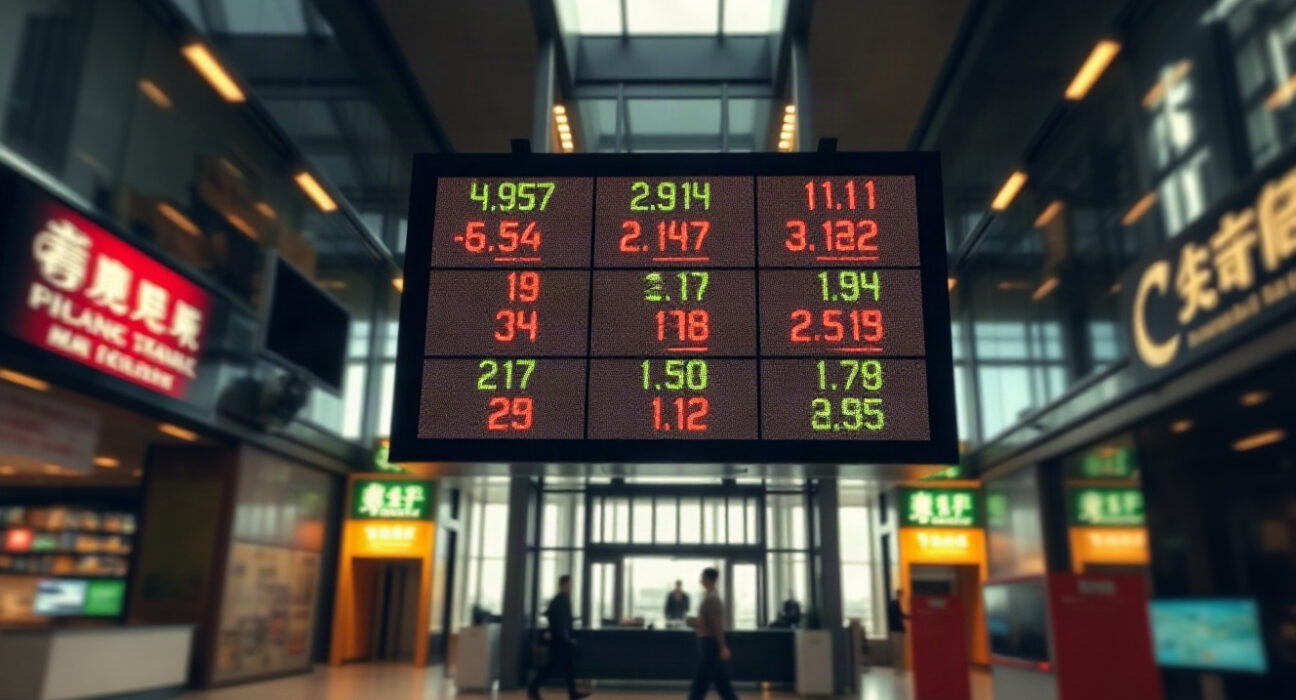
Asian stock markets faced mild downward pressure on [current date], as renewed geopolitical risks and growing expectations of a hawkish Federal Reserve dampened investor sentiment across the region.
Market Overview: What Moved Asian Equities
Equity benchmarks in Japan, South Korea, and Australia traded in negative territory during early sessions, reflecting a cautious mood among investors. The declines were modest but broad-based, with technology and export-oriented shares leading the retreat.
The latest geopolitical flashpoints, including escalating tensions in the Middle East and unresolved trade disputes, have added a fresh layer of uncertainty to global markets. Meanwhile, stronger-than-expected U.S. economic data has fueled speculation that the Federal Reserve may keep interest rates higher for longer, a scenario that typically pressures risk assets like equities.
Geopolitical Risks: A Renewed Source of Volatility
Investors are closely monitoring several geopolitical hotspots that could disrupt supply chains and energy prices. The situation in the Middle East remains fluid, with any escalation potentially impacting global oil markets and, by extension, inflation expectations.
In Asia, tensions in the South China Sea and ongoing friction between major economies continue to weigh on trade sentiment. These factors contribute to a risk-off environment, prompting some investors to rotate into safe-haven assets such as gold and government bonds.
Why It Matters for Your Portfolio
For regional investors, the combination of geopolitical uncertainty and a hawkish Fed creates a challenging environment. Higher-for-longer interest rates in the U.S. typically strengthen the dollar, which can put pressure on Asian currencies and increase the cost of servicing dollar-denominated debt.
Moreover, geopolitical disruptions can affect corporate earnings, particularly for companies with significant supply chain exposure. Diversification and a focus on quality stocks with strong balance sheets may help mitigate these risks.
Hawkish Fed Bets: Implications for Asia
The market’s growing conviction that the Fed will maintain a restrictive monetary policy stance has been reinforced by recent U.S. inflation and employment data. As of [current date], futures markets are pricing in a higher probability of a rate hike at the next FOMC meeting, a shift from earlier expectations of a pause.
For Asian central banks, this creates a policy dilemma. While they aim to support domestic growth, they must also defend their currencies against a stronger dollar. This often leads to tighter monetary conditions in the region, which can further dampen equity valuations.
Conclusion
Asian stock markets are navigating a complex landscape shaped by geopolitical tensions and a more hawkish Federal Reserve. While the current pullback appears modest, the underlying risks remain significant. Investors should stay informed and consider a cautious approach, balancing short-term volatility with long-term fundamentals.
FAQs
Q1: What are the main factors pressuring Asian stock markets today?
The primary factors are renewed geopolitical risks, particularly in the Middle East and Asia, and rising expectations that the U.S. Federal Reserve will keep interest rates higher for longer. These combine to create a risk-off mood among investors.
Q2: How does a hawkish Fed affect Asian markets?
A hawkish Fed typically strengthens the U.S. dollar, which can lead to capital outflows from Asian markets, pressure local currencies, and increase the cost of dollar-denominated debt. It also gives Asian central banks less room to ease their own monetary policies.
Q3: Should investors be concerned about the current dip?
While the dip is modest, the underlying risks are real. Investors should monitor geopolitical developments and Fed policy signals closely. A diversified portfolio and focus on quality assets can help manage potential volatility.
Disclaimer: The information provided is not trading advice, Bitcoinworld.co.in holds no liability for any investments made based on the information provided on this page. We strongly recommend independent research and/or consultation with a qualified professional before making any investment decisions.
