

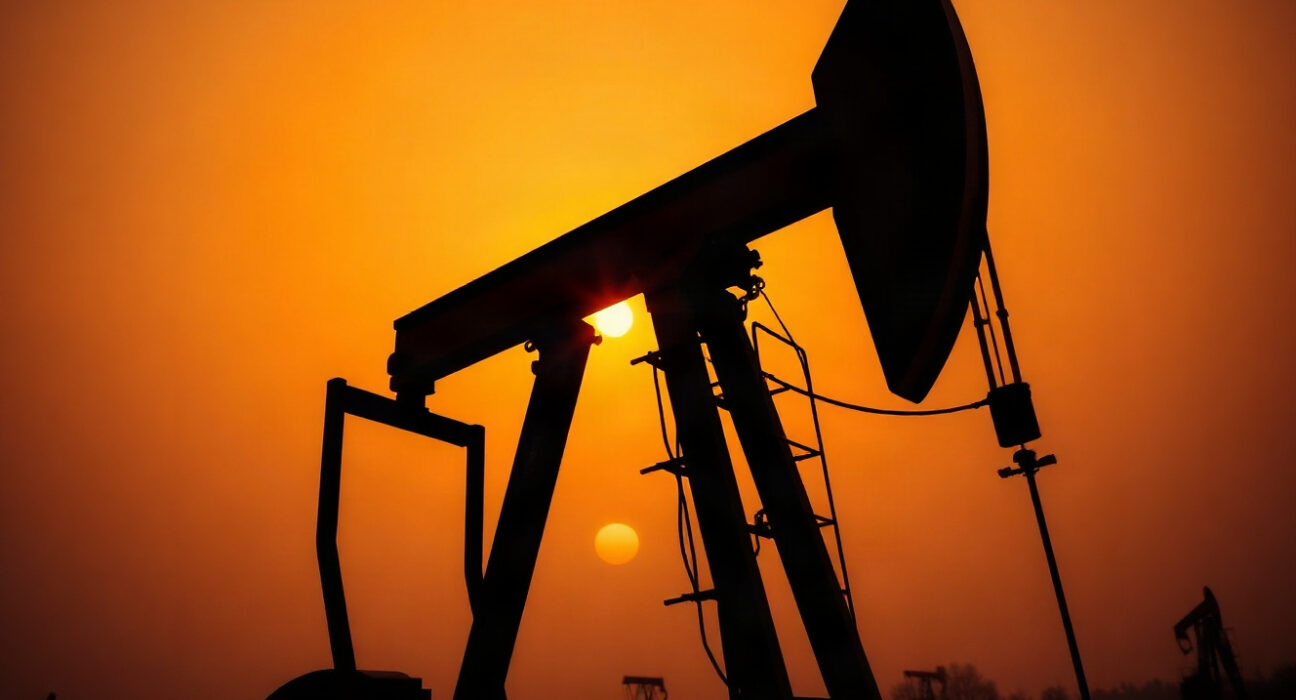
West Texas Intermediate (WTI) crude oil prices climbed beyond $85.50 per barrel on [Date], as escalating tensions involving Iran intensified fears of supply disruptions in the Middle East, a key oil-producing region. The price movement reflects growing market anxiety over potential impacts on global crude flows, with traders factoring in a geopolitical risk premium.
Why are Iran tensions affecting oil prices?
Iran, a major OPEC producer, sits near the Strait of Hormuz, a critical chokepoint through which about 20% of global oil consumption passes. Any perceived threat to shipping lanes or regional stability can prompt a rapid reassessment of supply risk. Recent developments, including [specific event if known, otherwise: heightened military posturing and diplomatic friction], have heightened these concerns, leading to a bid for crude futures.
The move above $85.50 marks a notable level for WTI, which had been trading in a range in recent weeks. The uptick is not isolated; Brent crude, the international benchmark, also saw gains, reflecting a broader market response. Analysts note that the oil market is already tight, with OPEC+ production cuts and robust demand keeping inventories low, making prices more sensitive to geopolitical shocks.
Market context and trader response
Oil futures have been volatile in 2025, with prices swinging on economic data, supply decisions, and geopolitical events. The latest surge underscores how quickly sentiment can shift when geopolitical risks emerge. Trading volumes for WTI options and futures increased as investors sought to hedge against further upside moves.
Some market participants view the rise as overdone in the absence of an actual supply disruption, while others argue that the risk premium is justified given the potential for escalation. The situation remains fluid, and prices could retreat if tensions de-escalate or if diplomatic channels show progress.
What this means for consumers and the broader economy
Higher oil prices translate into increased costs for gasoline, diesel, and jet fuel, which can feed into inflation. For central banks, including the Federal Reserve, a sustained rise in energy prices could complicate efforts to manage inflation, potentially influencing interest rate decisions. For businesses, energy costs are a key input, and sustained high prices could squeeze margins.
The current situation also highlights the fragility of global energy supply chains, which remain vulnerable to geopolitical events. Diversification of supply sources and investments in alternative energy are long-term themes that gain urgency with each such episode.
Conclusion
WTI crude’s advance beyond $85.50 is a direct market response to heightened geopolitical risk in the Middle East, specifically concerning Iran. While the immediate impact is on oil prices, the broader implications for inflation, economic growth, and energy security are significant. Traders will be watching for any further developments that could either escalate or calm the situation, with prices likely to remain sensitive to headlines.
FAQs
Q1: What is WTI crude oil?
West Texas Intermediate (WTI) is a grade of crude oil used as a benchmark in oil pricing, primarily for US oil. It is lighter and sweeter than Brent, making it easier to refine into gasoline and diesel.
Q2: How do Iran tensions specifically affect oil prices?
Iran’s location near the Strait of Hormuz, a key oil transit route, means any conflict could disrupt tanker movements. Even the threat of disruption can cause traders to bid up prices to account for potential supply shortfalls.
Q3: Should consumers expect higher gas prices?
Typically, rising crude oil prices lead to higher gasoline prices, though the pass-through can take time and varies by region. If WTI remains above $85, pump prices may increase in the coming weeks.
Disclaimer: The information provided is not trading advice, Bitcoinworld.co.in holds no liability for any investments made based on the information provided on this page. We strongly recommend independent research and/or consultation with a qualified professional before making any investment decisions.
