

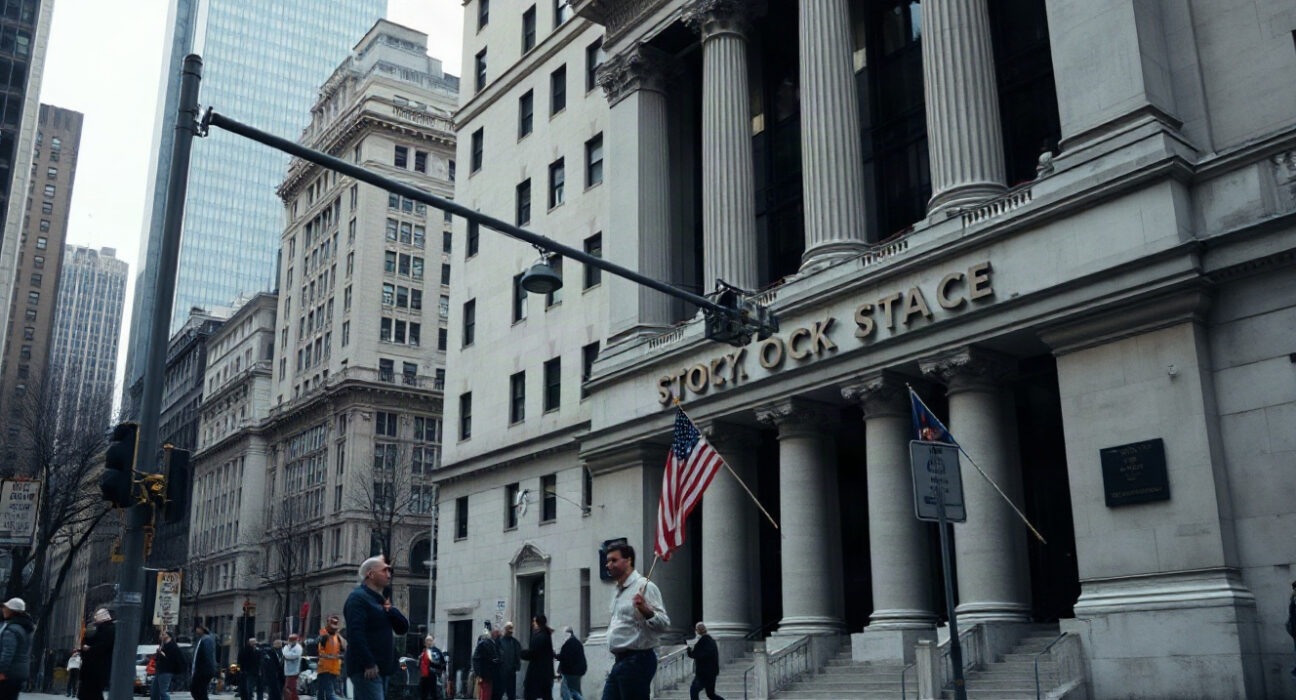
The Dow Jones Industrial Average found no buying interest on [Date], as confirmed strikes across multiple sectors dampened investor sentiment and raised concerns about economic disruption. The blue-chip index struggled to hold gains, reflecting a cautious mood on Wall Street.
Market Reaction to Labor Actions
Investors are closely monitoring the situation as strikes at major companies and ports threaten supply chains and corporate earnings. The uncertainty has led to a risk-off tone, with traders moving away from equities and into safer assets. The Dow’s inability to find a bid suggests that the market is pricing in potential disruptions to production and logistics.
Labor actions have historically created short-term volatility, but the current wave of strikes comes at a time when the economy is already facing inflationary pressures and slowing growth. This combination has amplified the negative impact on stock prices, as investors weigh the possibility of prolonged work stoppages.
Broader Implications for the Economy
The strikes are not just a market event; they have real-world consequences for consumers and businesses. Delays in shipping, reduced manufacturing output, and increased labor costs could feed into higher prices for goods and services, complicating the Federal Reserve’s fight against inflation. The longer the strikes last, the more significant the economic toll.
Historically, markets tend to recover once labor disputes are resolved, but the path to resolution is often uncertain. Negotiations are ongoing, and both sides have shown resolve, making it difficult to predict a quick end to the standoffs.
What Investors Should Watch
Key indicators to monitor include the duration of the strikes, any progress in negotiations, and how companies adjust their guidance in response. Sectors most exposed to labor actions, such as manufacturing, transportation, and retail, are likely to see the most volatility. Investors should also keep an eye on bond yields and commodity prices, which may react to supply disruptions.
Conclusion
As of [Date], the Dow Jones Industrial Average remains under pressure as confirmed strikes weigh on investor confidence. While the market has shown resilience in the past, the current environment of high inflation and economic uncertainty makes the situation more complex. Investors are advised to stay informed and consider the broader economic implications of these labor actions.
FAQs
Q1: What are the confirmed strikes affecting the Dow Jones?
As of the latest reports, strikes have been confirmed at major manufacturing plants and ports, involving workers from unions such as the United Auto Workers and the International Longshoremen’s Association. These actions have disrupted production and supply chains, contributing to market uncertainty.
Q2: How do strikes typically affect the stock market?
Strikes can lead to short-term market volatility, especially in the affected sectors. They raise concerns about reduced output, higher costs, and potential revenue losses for companies. However, markets often rebound once disputes are resolved and operations return to normal.
Q3: What should investors do during strike-related market volatility?
Investors should focus on the fundamentals of their portfolios, diversify to mitigate risk, and avoid making impulsive decisions based on short-term fluctuations. Monitoring the progress of negotiations and company guidance can provide useful insights into the potential duration and impact of the strikes.
Disclaimer: The information provided is not trading advice, Bitcoinworld.co.in holds no liability for any investments made based on the information provided on this page. We strongly recommend independent research and/or consultation with a qualified professional before making any investment decisions.
