

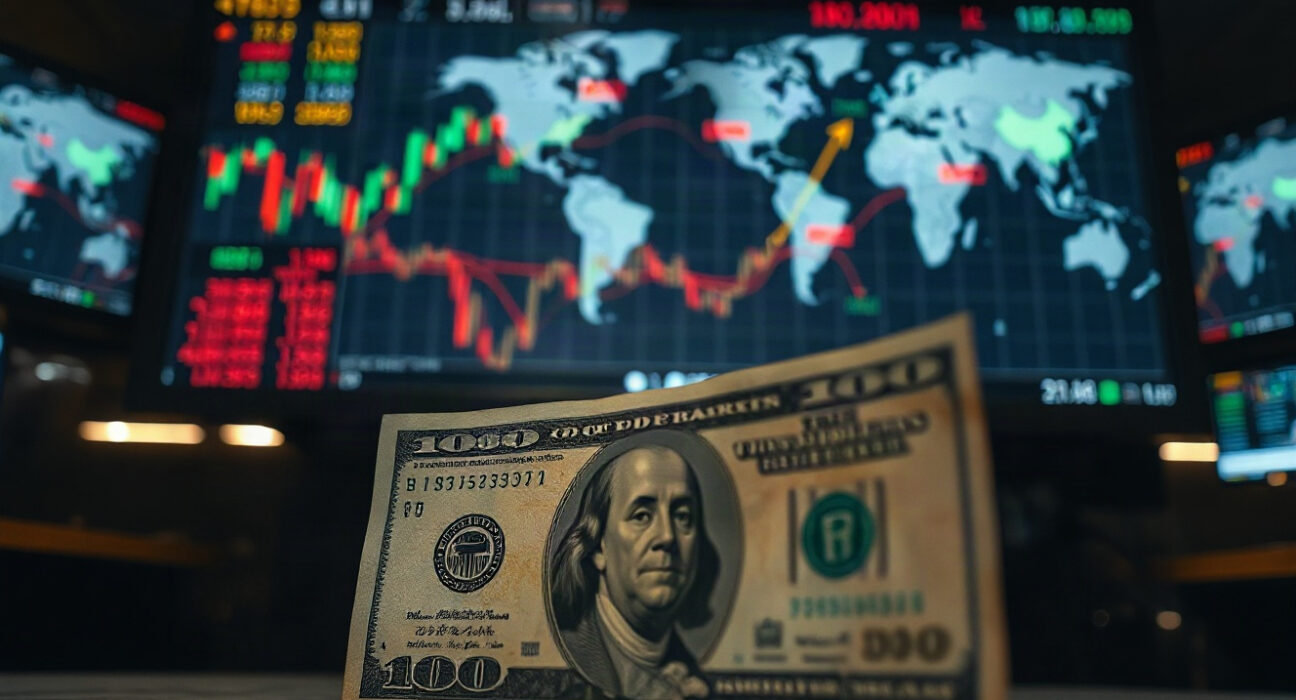
The U.S. dollar strengthened against major currencies on [Date], propelled by safe-haven demand as geopolitical tensions between the United States and Iran escalated, while a concurrent global bond sell-off further supported the greenback.
Geopolitical Risk Drives Capital to the Dollar
Investors sought refuge in the dollar amid reports of increased military posturing and diplomatic breakdowns between Washington and Tehran. The perceived stability and liquidity of U.S. assets typically attract capital during periods of heightened international conflict, and this instance proved no different. The dollar index, which measures the currency against a basket of six major peers, rose by [X]% to [Y] as of [Time] ET.
The escalation marks a significant turn from recent diplomatic efforts and introduces a new layer of uncertainty into global markets. While the situation remains fluid, the immediate market reaction clearly favored the dollar over other traditional safe-haven assets like the Japanese yen and Swiss franc, which saw more muted gains.
Global Bond Sell-Off Adds to Dollar’s Appeal
Simultaneously, a sharp sell-off in global bond markets, particularly in U.S. Treasuries, contributed to the dollar’s ascent. Yields on the benchmark 10-year Treasury note jumped to [Z]%, their highest level in [Number] months. This move was attributed to a combination of factors, including concerns over persistent inflation, reduced expectations of near-term interest rate cuts by the Federal Reserve, and the unwinding of positions that had bet on lower yields.
The rise in U.S. yields makes dollar-denominated assets more attractive to foreign investors, as they offer a higher return compared to other developed-market bonds. This yield differential is a powerful driver of currency flows, reinforcing the dollar’s strength in the current environment.
Why This Matters for Investors and the Broader Economy
For global investors, a stronger dollar has significant implications. It can put downward pressure on commodity prices, which are typically priced in dollars, and can weigh on the earnings of multinational companies that generate revenue in weaker currencies. For emerging markets, a robust dollar often tightens financial conditions, as it makes servicing dollar-denominated debt more expensive.
Beyond the immediate market reaction, the confluence of geopolitical risk and a bond market sell-off presents a complex challenge for central banks. The Federal Reserve must navigate a path between containing inflation and supporting economic growth, all while monitoring the potential for a global shock. The situation underscores the interconnectedness of geopolitics, fiscal policy, and currency markets.
Conclusion
The dollar’s rise reflects a dual driver: a classic flight to safety amid U.S.-Iran tensions and the allure of higher yields from a bond market under pressure. While the duration and impact of these forces remain uncertain, the immediate market response highlights the dollar’s enduring role as the world’s primary reserve currency in times of stress. Market participants will be closely watching for any further diplomatic or military developments, as well as upcoming economic data that could influence the Federal Reserve’s policy trajectory.
FAQs
Q1: Why does the dollar strengthen during geopolitical crises?
Investors view the U.S. dollar as a safe-haven asset due to the depth, liquidity, and stability of the U.S. financial system. During times of uncertainty, global capital flows into dollar-denominated assets like Treasuries, driving up its value.
Q2: What is a bond sell-off and how does it affect the dollar?
A bond sell-off refers to a period when investors are selling bonds, which pushes bond prices down and yields up. Higher U.S. bond yields make dollar-based investments more attractive, increasing demand for the currency and thus strengthening it.
Q3: How does a stronger dollar impact the average consumer?
A stronger dollar can lower the cost of imported goods, potentially easing inflation. However, it can also make U.S. exports more expensive for foreign buyers, which can negatively impact domestic manufacturers and exporters.
Disclaimer: The information provided is not trading advice, Bitcoinworld.co.in holds no liability for any investments made based on the information provided on this page. We strongly recommend independent research and/or consultation with a qualified professional before making any investment decisions.
