

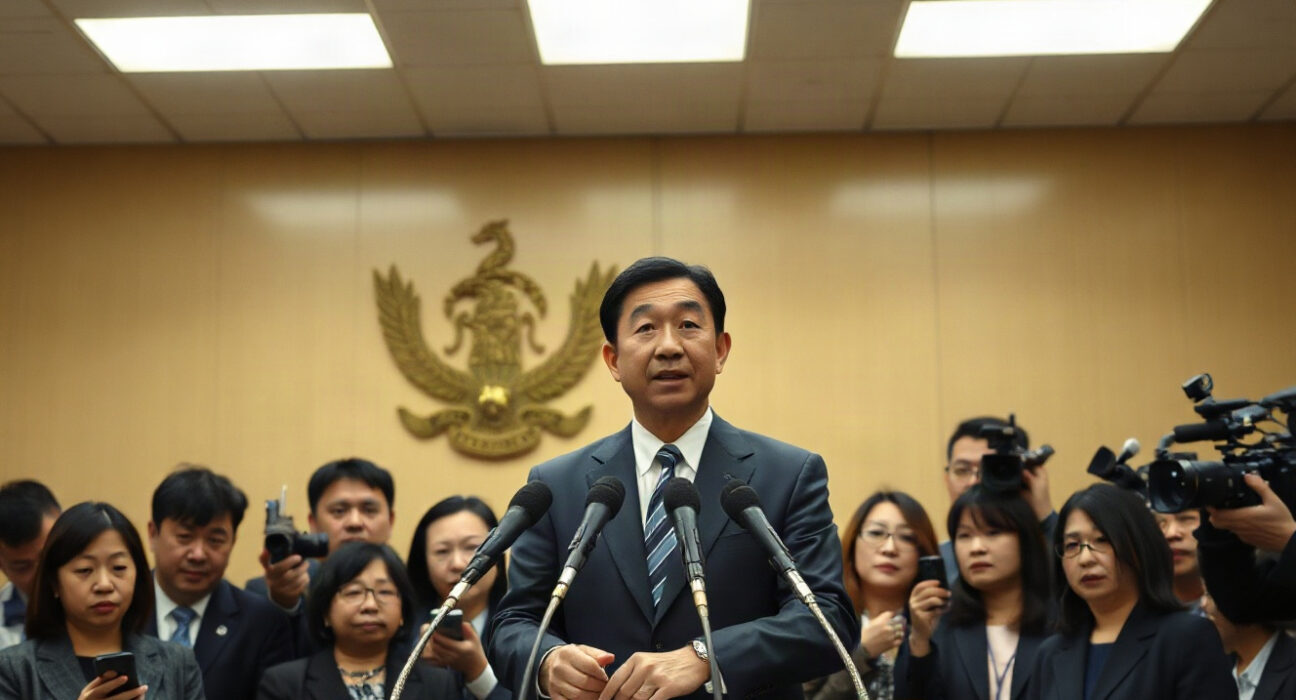
Japan’s top currency diplomat, Masato Katayama, said on Thursday that rising public debt is a global trend and that fiscal policy must be designed to support economic growth while ensuring long-term sustainability. His remarks, delivered at a financial forum in Tokyo, signal a pragmatic shift in Japan’s approach to fiscal consolidation amid persistent global economic uncertainty.
Global Debt Expansion and Fiscal Realities
Katayama, who serves as Vice Minister of Finance for International Affairs, noted that many advanced economies have expanded debt burdens in response to successive crises, from the 2008 financial crash to the COVID-19 pandemic. He argued that the traditional emphasis on strict deficit reduction is giving way to a more balanced approach that prioritizes growth as a means to stabilize debt ratios.
“Debt expansion is not unique to Japan,” Katayama said, according to a transcript released by the ministry. “The key is to ensure that fiscal measures are productive and contribute to potential growth, which in turn supports fiscal sustainability.”
His comments come as Japan’s public debt exceeds 250% of GDP, the highest among advanced economies. Yet, borrowing costs remain low due to the Bank of Japan’s ultra-loose monetary policy, giving the government room to maintain stimulus programs.
Policy Implications for Japan and Beyond
Katayama’s statement reflects a broader debate among policymakers: whether to prioritize debt reduction or growth stimulation. He emphasized that fiscal policy should be “growth-friendly” and that structural reforms are necessary to ensure that additional spending translates into higher productivity, rather than simply adding to the debt pile.
“We need to be mindful of market confidence,” he added, “but we also need to recognize that premature austerity can undermine recovery.”
The diplomat’s remarks are particularly relevant as Japan prepares its next fiscal year budget, with debates over defense spending, social security costs, and stimulus measures. They also echo discussions at the IMF and G7, where many nations are grappling with post-pandemic debt levels.
Why This Matters
For global investors and policymakers, Katayama’s stance signals that Japan is unlikely to adopt aggressive austerity in the near term. This could influence yen exchange rates and Japanese government bond yields, as markets adjust to the prospect of continued fiscal expansion. For readers, it underscores a fundamental shift in economic thinking: debt is no longer seen as an automatic evil but as a tool that must be managed wisely.
Conclusion
Katayama’s remarks highlight a growing consensus among global finance officials that debt expansion is a common response to modern economic challenges. Japan’s approach—balancing growth support with long-term sustainability—may serve as a template for other highly indebted nations. As the world navigs post-pandemic recovery, the debate between austerity and stimulus remains central, and Japan’s stance adds a significant voice to that conversation.
FAQs
Q1: What did Masato Katayama say about debt expansion?
Katayama said that debt expansion is a global trend and that fiscal policy should focus on growth while ensuring sustainability, marking a pragmatic shift from strict austerity.
Q2: How does Japan’s debt level compare to other countries?
Japan’s public debt is above 250% of GDP, the highest among advanced economies, but low borrowing costs provide room for continued fiscal stimulus.
Q3: What are the implications of Katayama’s remarks for investors?
Investors may interpret this as a signal that Japan will not pursue aggressive fiscal tightening, potentially affecting yen exchange rates and JGB yields as markets adjust to ongoing fiscal expansion.
Disclaimer: The information provided is not trading advice, Bitcoinworld.co.in holds no liability for any investments made based on the information provided on this page. We strongly recommend independent research and/or consultation with a qualified professional before making any investment decisions.
