Binance Pay opens crypto spending at PayPay merchants in Japan
In this article
Binance Pay began allowing eligible overseas users to pay with crypto at PayPay-supported merchants across Japan on Sept. 30, 2026, connecting roughly 48 million eligible Binance Pay users from more than 100 countries and regions to the QR network visitors already find in restaurants, shops and hotels. The service runs through HIVEX, a payment interoperability framework, according to Crypto.news, while merchants keep receiving settlement in Japanese yen.
How the PayPay payments actually work
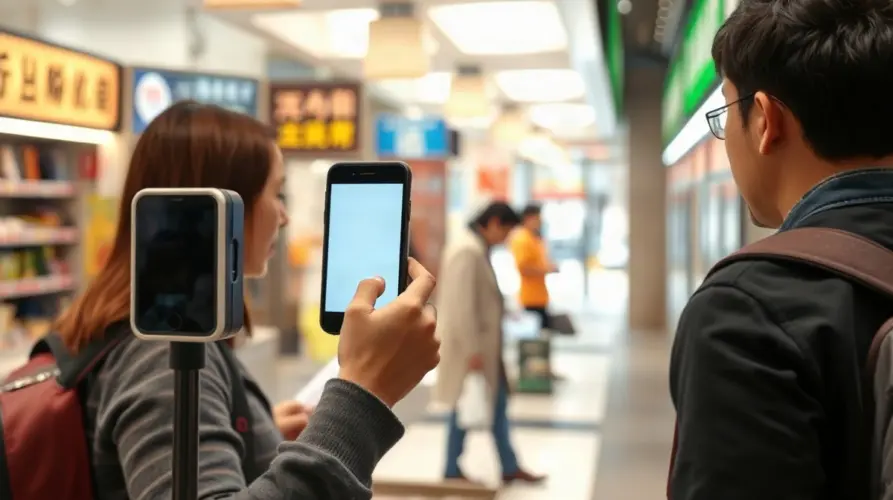
Crypto.news reported that users can pay directly from their Binance accounts by scanning a merchant’s PayPay QR code through Binance Pay, or, where supported, display a payment code in the Binance app for staff to scan. PayPay’s merchant guidance says HIVEX transactions follow a process similar to ordinary PayPay payments, with merchants confirming completion through PayPay for Business.
Because the crypto side of the transaction stays with Binance Pay and the connected infrastructure, individual shops do not need to hold or process digital assets. PayPay says eligible merchants do not need to submit a separate application to begin receiving HIVEX payments, though businesses can disable the service through their PayPay for Business settings.
Both reports describe the same terms, but they emphasize different details. Crypto.news frames the launch around Binance Pay’s full eligible user base of about 48 million people across more than 100 countries and regions. Cointelegraph, citing Binance, specifically names Tether’s USDT as the asset overseas users can spend and reports that Binance describes itself as the first crypto payment service to reach PayPay-supported merchants through HIVEX. Cointelegraph also notes that PayPay lists nine other overseas payment services supported through HIVEX, mainly from China, Hong Kong and Taiwan.
Thomas Gregory, Binance’s vice president of payments and fiat, described Japan as one of the leading destinations for connected cashless payments and said the PayPay integration reflects a shared vision of making payments more seamless, borderless and accessible for travelers, according to Crypto.news.
Japan’s digital-asset payment experiments keep widening
Binance Pay joins a PayPay network that had already been expanding its reach to overseas wallets. Earlier in September, Crypto.news reported that PayPay added UnionPay QR payments through HIVEX for visitors using the UnionPay App. After that addition, PayPay said its merchant network could receive payments from 36 overseas cashless services covering 17 countries and regions, which it estimated represented approximately 80% of international visitors to Japan.
The rollout also follows a deepening relationship between the two companies in Japan. Crypto.news reported that their first services focused on moving money between PayPay and Binance Japan rather than spending crypto at merchants, letting Binance Japan users buy crypto with PayPay Money and PayPay Points and transfer crypto-sale proceeds back into PayPay. The companies expanded that link in April 2026 by allowing yen deposits into Binance Japan through PayPay Money, and Binance Japan raised PayPay Money instant deposit limits in August, lifting the 24-hour ceiling from ¥300,000 to ¥1 million and the 30-day limit from ¥1 million to ¥2 million.
The Sept. 30 service targets a different group. Binance said the PayPay QR feature through HIVEX is limited to eligible international visitors rather than residents using Binance Japan.
Why it matters
Japan’s visitor economy makes it an unusually consequential test bed for crypto payments: the country gives overseas wallets a large, dense base of shops, taxis and transport operators that already accept QR payments, without asking those businesses to change how they get paid. That removes the two biggest practical frictions for merchants, holding volatile assets and buying new hardware, and leaves the crypto exposure with Binance rather than the shopkeeper.
It also puts Binance Pay in direct proximity to household-name local payment brands rather than a crypto-native checkout. Binance Research said in April that Binance Pay had reached more than 21 million merchants globally and had connected with domestic payment networks including Brazil’s Pix, so the Japanese arrangement extends a pattern rather than standing alone.
For travelers, the change is narrow but concrete: an eligible Binance account becomes a payment method at merchants where the PayPay flow already works. The limits are just as concrete, since the feature excludes Japanese residents entirely.
What to watch
PayPay and Binance have both pointed to eligible merchants being switched on by default, so the next signal will be whether Japanese businesses use their PayPay for Business settings to opt out of HIVEX payments. Japan’s wider retail experiments will also matter: Crypto.news reported that convenience store operator Lawson tested stablecoin payments using JPYC, USDC and USDT at two Tokyo locations in August and said it would assess transaction speed, system stability and store operations before deciding on wider deployment, while JCB partnered with Circle in July to test USDC for internal treasury transfers and merchant payments.
Frequently Asked Questions
Can Japanese residents use Binance Pay at PayPay merchants?
No. Binance said the PayPay QR feature through HIVEX is limited to eligible international visitors, with Japanese residents excluded from the Sept. 30 rollout.
Do merchants receive the cryptocurrency a customer spends?
No. PayPay-supported merchants continue to receive settlement in Japanese yen, so individual businesses do not have to hold or process digital assets themselves.
Do merchants need to sign up or apply for the feature?
PayPay said eligible merchants do not need to submit a separate application to receive HIVEX payments, though they can disable the service through their PayPay for Business settings.
Which tokens can be used, and who is eligible?
Cointelegraph reported the service lets eligible overseas users spend Tether’s USDT. Binance said users must come from a jurisdiction where Binance Pay is supported and complete its identity verification process.
How does Binance Pay connect to the PayPay network?
HIVEX provides the link between Binance Pay and PayPay’s existing QR infrastructure, so businesses do not need to integrate each overseas wallet connected to the network separately.
Sources: crypto.news, Cointelegraph