

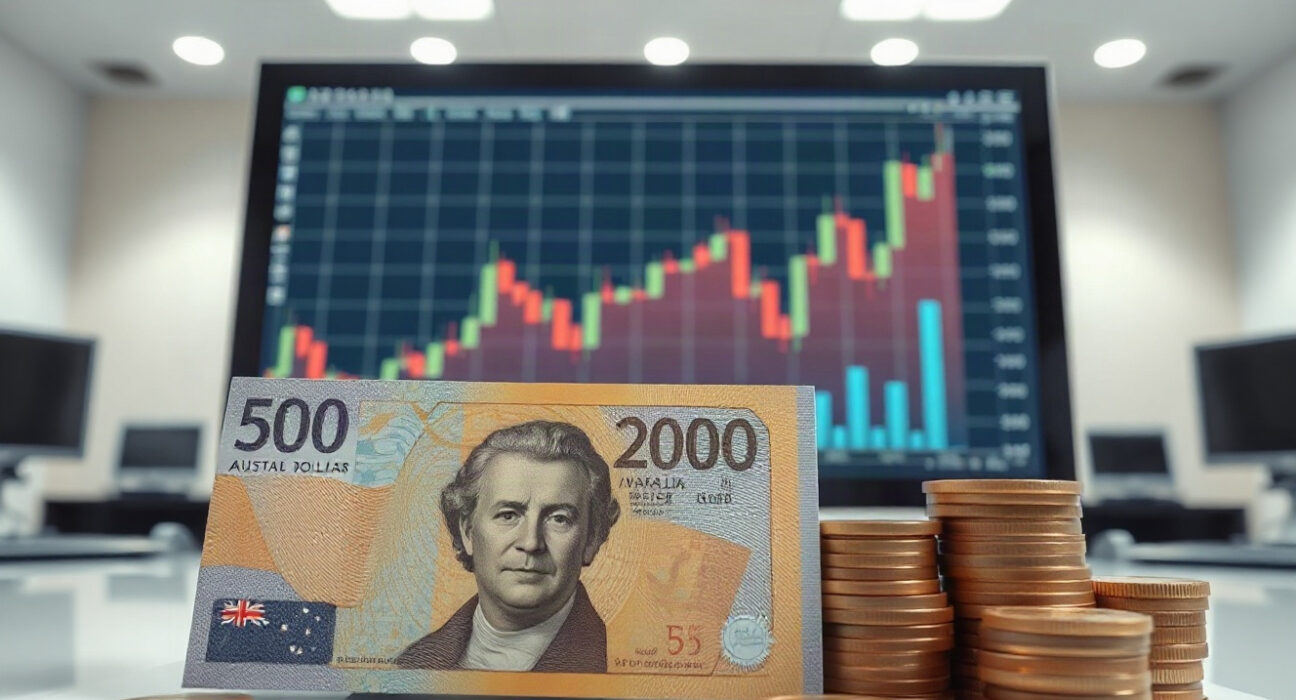
The Australian dollar is on track for its strongest weekly performance in months, fueled by hotter-than-expected inflation data that has reinforced market expectations for another Reserve Bank of Australia (RBA) interest rate hike. As of this week, the currency has rallied against the US dollar, driven by shifting rate forecasts and a resilient domestic economic outlook.
Inflation Data Shakes Rate Expectations
The latest monthly CPI indicator, released this week, showed inflation running above analyst forecasts, prompting traders to price in a higher probability of an RBA rate increase at the next policy meeting. The data underscores persistent price pressures in the Australian economy, particularly in services and housing-related costs, which have remained sticky despite prior tightening.
Market pricing now reflects a roughly 70% chance of a 25-basis-point hike in the coming months, a sharp jump from earlier expectations of a pause. This repricing has been a key driver of the Aussie dollar’s strength, as higher interest rates typically attract foreign capital seeking better yields.
Currency Rally and Global Factors
The AUD/USD pair has climbed to its highest level in several weeks, breaking through key resistance levels. The rally is not solely a domestic story—weakness in the US dollar, driven by softer US economic data and expectations of a less hawkish Federal Reserve, has also contributed to the Aussie’s gains.
Commodity prices, particularly iron ore and coal, have remained supportive, underpinning Australia’s terms of trade. However, analysts caution that the currency’s upside may be limited if global growth concerns resurface or if the RBA signals a less aggressive tightening path than currently priced.
Implications for Borrowers and the Economy
For Australian households, a potential rate hike would mark another increase in borrowing costs, adding pressure to mortgage holders already grappling with elevated living expenses. The RBA faces a delicate balancing act between containing inflation and avoiding an unnecessary slowdown in economic activity.
The stronger currency could help temper imported inflation by making overseas goods cheaper, but it also poses challenges for exporters, who may find their products less competitive internationally. Policymakers will be watching these dynamics closely as they prepare for the next meeting.
Conclusion
The Australian dollar’s strong weekly performance reflects a significant shift in market sentiment, driven by robust inflation data and evolving RBA expectations. While the currency’s near-term outlook appears positive, much will depend on upcoming economic releases and the central bank’s policy communication. For now, traders and investors are positioning for a potentially more hawkish RBA, with the Aussie dollar likely to remain sensitive to any shifts in the rate outlook.
FAQs
Q1: What is driving the Australian dollar’s rally?
The rally is primarily driven by hotter-than-expected inflation data, which has increased market expectations that the RBA will raise interest rates again. Higher rates make the currency more attractive to investors.
Q2: How might an RBA rate hike affect mortgage holders?
An RBA rate hike would lead to higher variable mortgage rates, increasing monthly repayments for borrowers. This could strain household budgets, especially amid ongoing cost-of-living pressures.
Q3: Could the Australian dollar’s strength hurt the economy?
A stronger currency can make exports more expensive and less competitive, potentially impacting sectors like mining and agriculture. However, it also helps reduce the cost of imported goods, which can help lower inflation.
Disclaimer: The information provided is not trading advice, Bitcoinworld.co.in holds no liability for any investments made based on the information provided on this page. We strongly recommend independent research and/or consultation with a qualified professional before making any investment decisions.
