

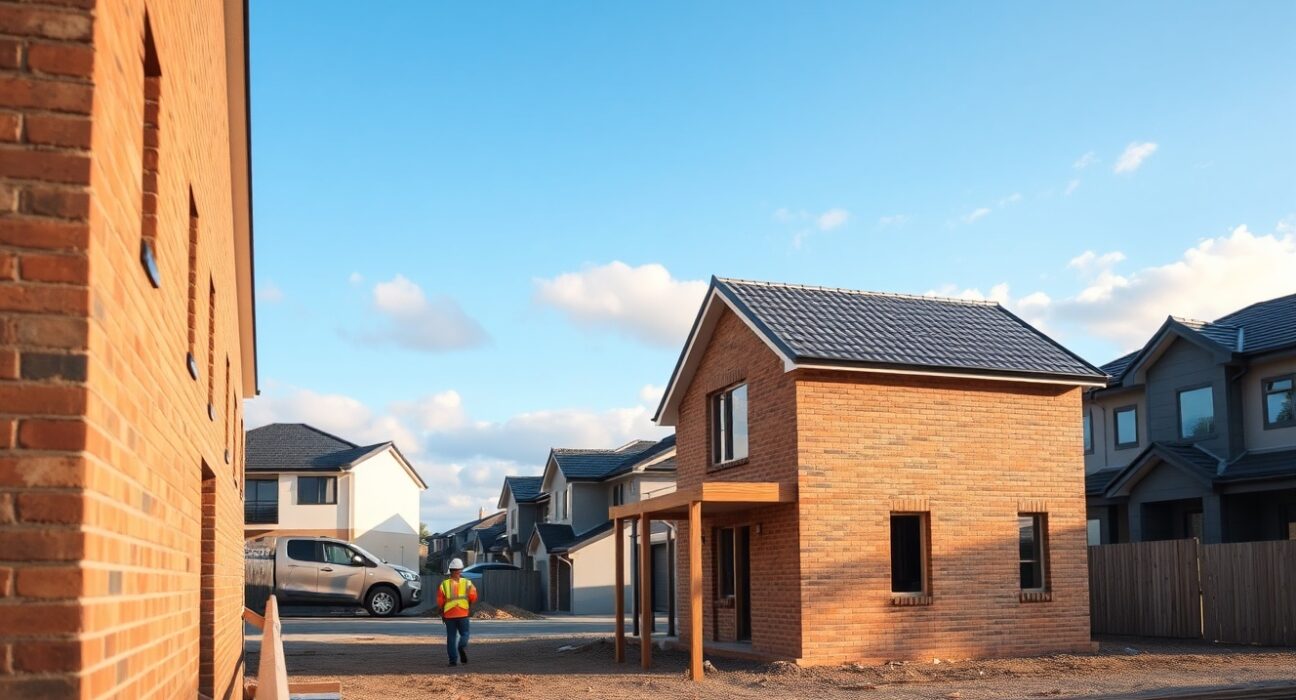
Australia’s building permits, a key indicator of future construction activity, rose 5.3% year-on-year in May, a notable deceleration from the 10.2% growth recorded in April. The data, released by the Australian Bureau of Statistics (ABS), signals a cooling in the residential construction pipeline after a period of robust expansion.
What the Data Shows
The year-on-year comparison for May reveals a slowdown in approvals for new homes and apartments. While the headline figure remains positive, the sharp drop from the previous month’s double-digit growth suggests that headwinds are building for the construction sector. Monthly data often shows volatility, but the trend points to a moderating market.
This deceleration comes amid a complex economic backdrop. The Reserve Bank of Australia (RBA) has maintained elevated interest rates to combat inflation, which directly impacts borrowing costs for both developers and homebuyers. Higher financing costs can delay or cancel projects, leading to fewer permit applications.
Broader Economic Context
The building permits data is closely watched as a leading indicator for the broader economy. A slowdown in approvals can foreshadow reduced construction activity in the coming quarters, which in turn affects employment in the building trades, demand for materials, and related service industries.
Australia is also grappling with a persistent housing supply shortage, which has driven up property prices and rents. While a slowdown in new permits might seem counterintuitive against this backdrop, it reflects the reality of a high-interest-rate environment where project viability is under pressure. The government has set ambitious housing targets to address affordability, but the latest figures suggest those targets may be increasingly challenging to meet.
What This Means for Homebuyers and Investors
For prospective homebuyers, the moderation in building approvals could mean a tighter supply of new homes in the future, potentially keeping upward pressure on prices for existing properties. For investors, it signals a more cautious outlook for the construction sector, with potential implications for building material suppliers and property developers.
The data also provides context for the RBA’s monetary policy decisions. A softening in construction activity could be seen as evidence that higher interest rates are working to cool demand, which might reduce the need for further rate hikes. However, the central bank remains data-dependent, and future moves will hinge on a range of indicators, including inflation and employment.
Conclusion
The slowdown in Australia’s building permits growth to 5.3% in May marks a significant shift from the stronger pace seen in April. While the construction sector is still expanding, the deceleration highlights the impact of elevated interest rates and cost pressures. The coming months will be critical in determining whether this is a temporary blip or the start of a more sustained downturn. For now, the data serves as a clear signal that the housing market is navigating a period of adjustment.
FAQs
Q1: Why are building permits important for the economy?
Building permits are a leading indicator of future construction activity. An increase suggests more homes and commercial buildings will be built, boosting economic growth and employment. A decrease signals a potential slowdown.
Q2: How do interest rates affect building permits?
Higher interest rates increase the cost of borrowing for developers and homebuyers. This can make new projects less financially viable, leading to fewer permit applications and a slowdown in construction.
Q3: What does this mean for housing affordability in Australia?
A slowdown in new building permits could worsen the existing housing supply shortage, potentially pushing home prices and rents higher. This makes it harder for first-home buyers to enter the market and adds to affordability challenges.
Disclaimer: The information provided is not trading advice, Bitcoinworld.co.in holds no liability for any investments made based on the information provided on this page. We strongly recommend independent research and/or consultation with a qualified professional before making any investment decisions.
