

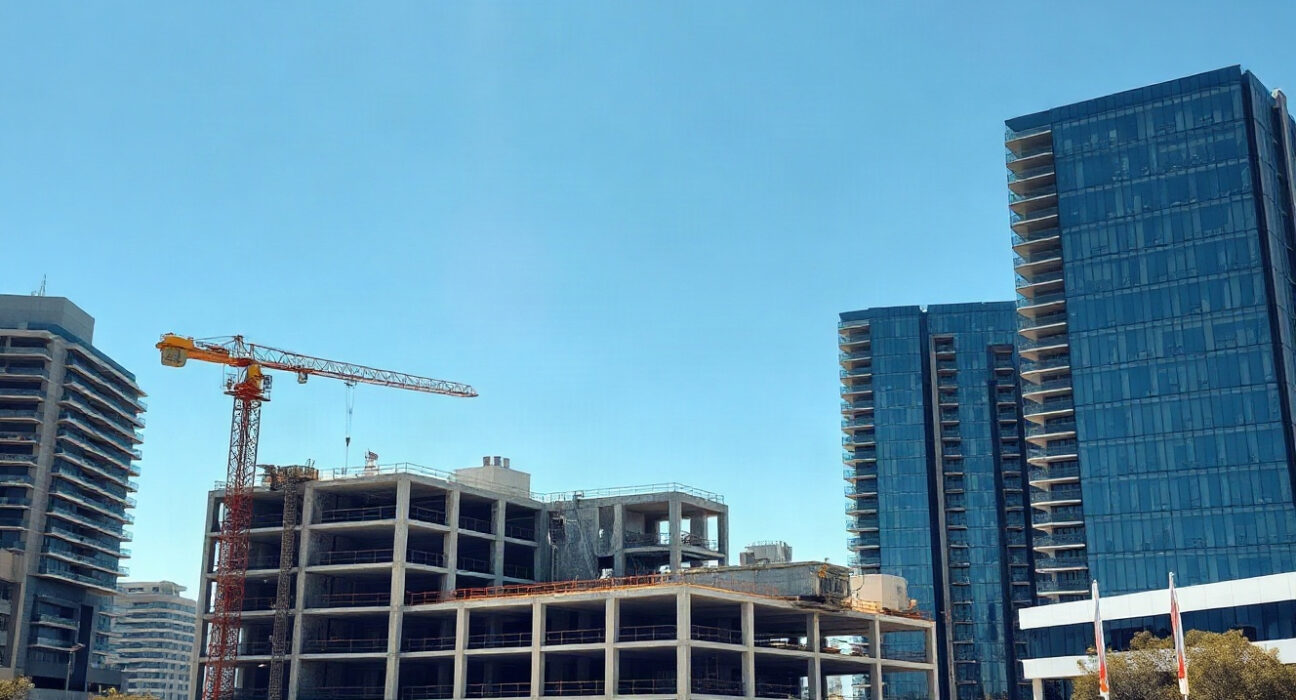
Australia’s construction work done contracted by 2.1% in the June quarter of 2025, significantly undershooting market forecasts of 0.5% growth, according to official data released this week. The decline marks the first quarterly drop in construction activity in over a year, raising concerns about the sector’s contribution to overall economic growth.
What the Data Shows
The Australian Bureau of Statistics (ABS) reported that total construction work done fell to AUD 63.2 billion in the second quarter, down from AUD 64.6 billion in the previous quarter. The decline was broad-based, with both residential and non-residential construction experiencing contractions. Engineering construction, which includes infrastructure projects, also saw a slowdown, though it remained relatively resilient compared to building activity.
The result was a surprise to economists, who had expected a modest recovery after a strong first quarter. The miss is likely to weigh on the upcoming GDP figures, as construction typically accounts for around 7% of Australia’s economic output.
Why This Matters
The construction sector is a key driver of domestic economic activity, employing over 1.2 million Australians. A contraction in construction work done can have ripple effects across supply chains, from materials suppliers to engineering firms. Moreover, with Australia facing a chronic housing shortage, any slowdown in residential construction is particularly concerning for policymakers and homebuyers alike.
The data also reflects broader headwinds, including elevated interest rates, high material costs, and labor shortages, which have been constraining project viability and timelines. The Reserve Bank of Australia (RBA) has kept rates on hold at 4.35% since November 2024, but the weak construction figures may fuel expectations of a rate cut later this year to support the economy.
Implications for the Housing Market
Residential construction work done fell by 3.1% in the quarter, driven by a sharp drop in new home building and alterations. This is particularly worrying given the government’s target of building 1.2 million new homes over five years from July 2024. With approvals already trending downward, the latest figures suggest the housing supply crisis could worsen before it improves.
Industry groups have called for policy intervention, including streamlined approvals and increased investment in apprenticeships to address labor shortages. However, with the federal budget already under pressure, the scope for immediate fiscal support is limited.
Conclusion
The 2.1% fall in construction work done in Q2 2025 is a clear warning sign for the Australian economy. It underscores the challenges facing the construction sector and raises the stakes for policymakers seeking to balance inflation control with growth support. As the RBA and Treasury digest the data, the construction industry will be watching closely for any policy response.
FAQs
Q1: What is ‘construction work done’?
Construction work done measures the total value of construction activity completed in a given period, including residential, non-residential, and engineering projects. It is a key indicator of investment and economic activity.
Q2: How does this affect the average Australian?
A slowdown in construction can lead to fewer new homes, higher rents, and reduced job opportunities in the sector. It may also signal broader economic weakness, potentially influencing interest rates and consumer confidence.
Q3: When will the next construction data be released?
The ABS typically releases quarterly construction work done figures about six weeks after the end of the quarter. The next release, covering the September quarter, is expected in late November 2025.
Disclaimer: The information provided is not trading advice, Bitcoinworld.co.in holds no liability for any investments made based on the information provided on this page. We strongly recommend independent research and/or consultation with a qualified professional before making any investment decisions.
