

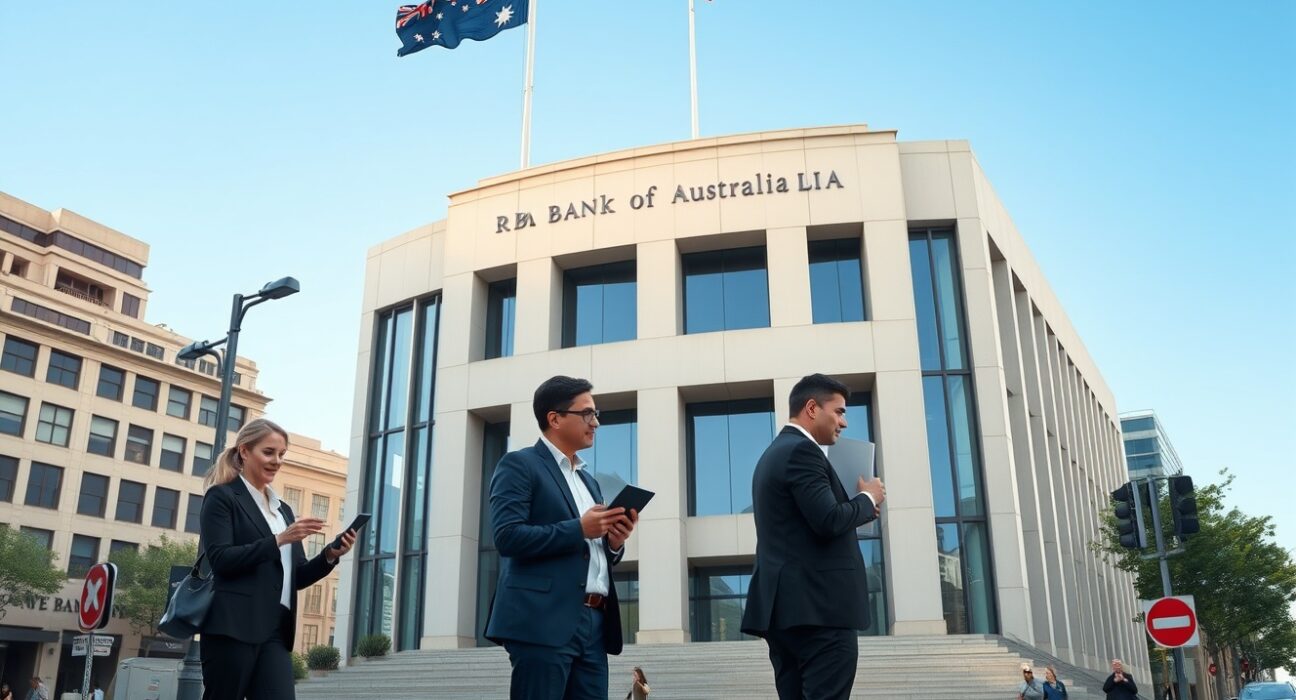
SYDNEY, AUSTRALIA — April 17, 2025: Australia’s unemployment rate maintained its position at 3.8% in March 2025, according to data released by the Australian Bureau of Statistics. This steady figure arrives amid ongoing concerns about inflation and follows the Reserve Bank of Australia’s continued hawkish monetary policy stance. Consequently, economists now scrutinize labor market resilience against persistent price pressures.
Australia’s Unemployment Rate Remains Resilient in March 2025
The Australian labor market demonstrated remarkable stability during March. The seasonally adjusted unemployment rate held firm at 3.8%, matching February’s revised figure. Moreover, employment increased by approximately 25,000 positions, with full-time roles accounting for 18,000 of these gains. Meanwhile, the participation rate edged slightly higher to 66.8%, indicating sustained workforce engagement.
Regional variations presented interesting patterns across states. For instance, Western Australia recorded the lowest unemployment rate at 3.2%, while Tasmania experienced the highest at 4.5%. These disparities reflect differing economic conditions and industry concentrations. Additionally, underemployment decreased marginally to 6.3%, suggesting improved utilization of available labor resources.
RBA’s Hawkish Monetary Policy Context
The Reserve Bank of Australia maintained its official cash rate at 4.35% during its April 2025 meeting. Governor Michele Bullock emphasized the board’s commitment to returning inflation to the target band of 2-3%. Furthermore, she noted that services inflation remains particularly stubborn, requiring continued vigilance. The RBA’s latest Statement on Monetary Policy projects inflation will not reach the target range until late 2025.
Historical context reveals the current policy trajectory. The RBA began its tightening cycle in May 2022, raising rates from 0.10% to the current level. This represents the most aggressive monetary policy tightening in decades. Consequently, households face significantly higher mortgage repayments, reducing disposable income and cooling consumer spending.
Economic Impacts and Sector Analysis
Different economic sectors show varied responses to current conditions. The healthcare and social assistance sector continues to lead employment growth, adding 15,000 positions in March. Conversely, retail trade employment declined by 8,000 roles, reflecting subdued consumer confidence. Professional services maintained steady hiring, particularly in technology and engineering specialties.
Wage growth presents another critical dimension. The Wage Price Index increased by 4.2% annually in the December 2024 quarter. However, real wages continue to decline when adjusted for inflation. This dynamic creates pressure on household budgets despite nominal increases. The Fair Work Commission’s annual wage review, scheduled for June 2025, will significantly influence future wage trajectories.
International Comparisons and Global Context
Australia’s labor market performance compares favorably with international peers. The United States reported a 4.0% unemployment rate in March 2025, while Canada recorded 5.8%. The United Kingdom’s rate stood at 4.2%. Australia’s relatively tight labor market reflects structural factors including skilled migration patterns and industry composition.
Global economic conditions influence domestic policy considerations. The US Federal Reserve maintains a cautious approach toward rate cuts, while the European Central Bank continues its inflation fight. International commodity prices, particularly for iron ore and liquefied natural gas, significantly affect Australia’s terms of trade and government revenue.
Expert Perspectives on Labor Market Dynamics
Leading economists provide nuanced interpretations of current data. Dr. Sarah Hunter, Chief Economist at the RBA, notes that “labor market conditions remain tighter than sustainable in the long term.” She emphasizes that employment growth must moderate to align with population increases. Meanwhile, independent analysts highlight productivity concerns, with output per hour growing only 0.9% annually.
Business surveys reveal mixed sentiment. The NAB Business Survey indicates confidence remains below average, though conditions improved slightly in March. Capacity utilization remains elevated at 83.4%, suggesting limited spare capacity in the economy. These factors contribute to ongoing inflationary pressures despite monetary tightening.
Future Outlook and Policy Implications
The Treasury’s latest forecasts project gradual labor market softening throughout 2025. Unemployment is expected to reach 4.2% by year-end as economic growth moderates. However, significant risks remain, including global economic slowdowns and domestic housing market vulnerabilities. The upcoming Federal Budget in May 2025 will likely address cost-of-living measures while maintaining fiscal discipline.
Monetary policy decisions will continue to balance multiple objectives. The RBA must consider financial stability, employment preservation, and inflation control simultaneously. Market pricing suggests only modest chance of rate cuts before late 2025, reflecting persistent inflation concerns. This outlook assumes no major external shocks to the Australian economy.
Conclusion
Australia’s unemployment rate demonstrates remarkable stability at 3.8% in March 2025, reflecting labor market resilience amid challenging economic conditions. The Reserve Bank of Australia maintains its hawkish policy stance as services inflation proves persistent. Consequently, households and businesses face continued pressure from elevated interest rates. Future labor market developments will significantly influence monetary policy decisions and economic outcomes throughout 2025.
FAQs
Q1: What was Australia’s unemployment rate in March 2025?
The seasonally adjusted unemployment rate remained steady at 3.8% in March 2025, unchanged from February’s revised figure.
Q2: Why is the RBA maintaining a hawkish monetary policy stance?
The Reserve Bank of Australia continues its hawkish stance because services inflation remains above target, requiring sustained monetary pressure to return inflation to the 2-3% target band.
Q3: How does Australia’s unemployment rate compare internationally?
Australia’s 3.8% unemployment rate compares favorably with the United States (4.0%), United Kingdom (4.2%), and Canada (5.8%) as of March 2025.
Q4: What sectors showed strongest employment growth in March?
Healthcare and social assistance led employment growth with 15,000 new positions, while professional services also showed strength, particularly in technology and engineering specialties.
Q5: What is the outlook for Australia’s labor market in 2025?
The Treasury forecasts gradual labor market softening with unemployment reaching 4.2% by year-end as economic growth moderates and monetary policy continues to restrain activity.
Disclaimer: The information provided is not trading advice, Bitcoinworld.co.in holds no liability for any investments made based on the information provided on this page. We strongly recommend independent research and/or consultation with a qualified professional before making any investment decisions.
