

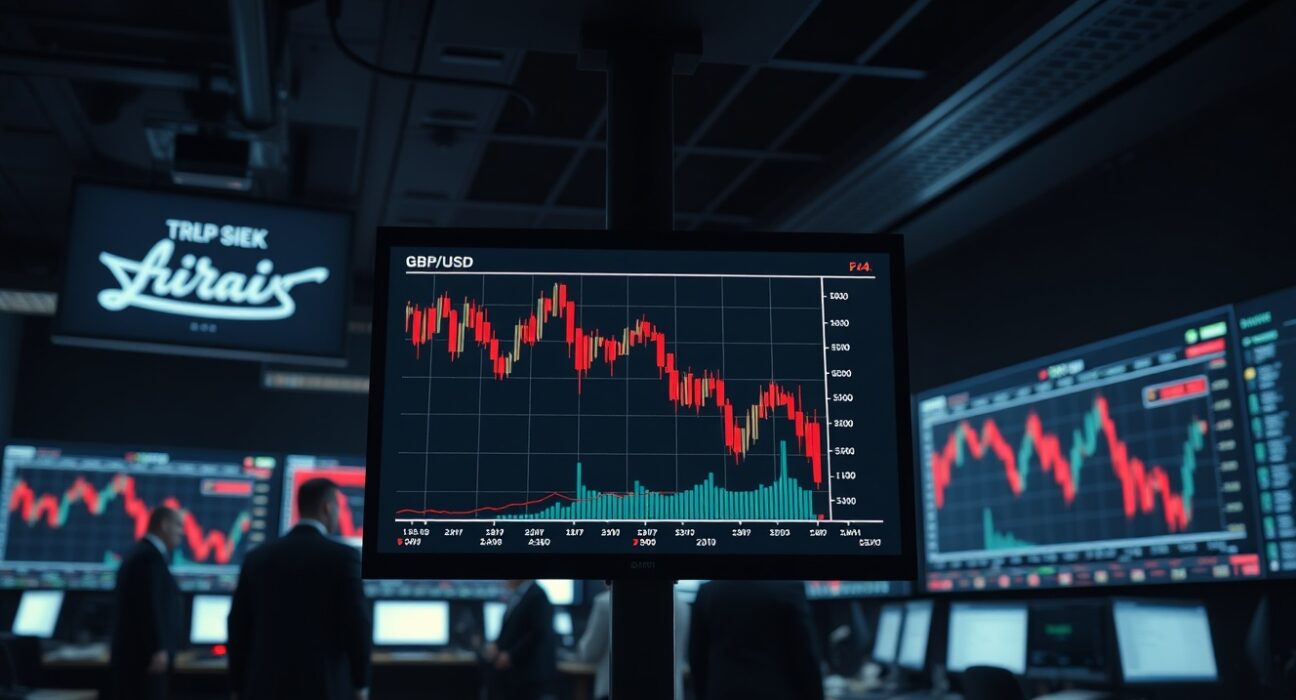
The British Pound fell sharply against the US Dollar on Monday as escalating attacks near the Strait of Hormuz triggered a broad rush toward safe-haven assets. Traders moved rapidly into the greenback, pushing the GBP/USD pair to its lowest level in three weeks, as geopolitical risk rattled currency markets and sent oil prices spiking.
Market Reaction to Hormuz Incidents
The attacks, which targeted commercial vessels near one of the world’s most critical oil chokepoints, have raised fears of supply disruptions in the Middle East. The US Dollar Index (DXY) climbed 0.6% in early trading, reflecting a classic risk-off shift. The British Pound, already under pressure from domestic economic uncertainty, proved especially vulnerable.
Analysts at several major banks noted that the Pound’s decline was exacerbated by thin liquidity during the Asian session and the UK’s reliance on energy imports, which makes it more exposed to oil price shocks than some other major economies. Brent crude rose above $92 per barrel, adding to inflationary concerns that could further complicate the Bank of England’s policy path.
Why the Dollar Benefits from Hormuz Tensions
The US Dollar traditionally strengthens during geopolitical crises due to its status as the world’s primary reserve currency and the depth of US financial markets. Investors seeking liquidity and safety often sell riskier currencies like the Pound, the Australian Dollar, and emerging market currencies in favor of the Dollar and, to a lesser extent, the Japanese Yen and Swiss Franc.
This pattern has held consistently during previous Middle Eastern tensions, including the 2019 Abqaiq attacks and the 2022 Russia-Ukraine conflict. The current situation, however, carries additional weight because the Strait of Hormuz handles roughly 20% of global oil transit. Any sustained disruption could have prolonged effects on energy prices and currency valuations.
Impact on UK Import Costs and Inflation
A weaker Pound combined with higher oil prices creates a double blow for the UK economy. The UK imports a significant portion of its energy, and a falling currency makes those imports more expensive. This dynamic risks reigniting inflationary pressures just as the Bank of England had begun to signal potential rate cuts later this year.
Economists at several London-based research firms have revised their near-term inflation forecasts upward by 0.3 to 0.5 percentage points, contingent on how long the Hormuz situation remains unresolved. Markets are now pricing in a lower probability of a rate cut at the Bank of England’s next meeting, which could provide some support for the Pound if sentiment stabilizes.
Conclusion
The British Pound’s decline in response to the Hormuz attacks underscores its sensitivity to geopolitical shocks, particularly those affecting energy markets. While the Dollar’s safe-haven appeal is well-established, the extent and duration of the Pound’s weakness will depend on how the situation unfolds in the coming days. Traders and businesses with exposure to GBP/USD should prepare for continued volatility until clearer diplomatic or military signals emerge.
FAQs
Q1: Why does the US Dollar strengthen during geopolitical crises?
The US Dollar is the world’s primary reserve currency, and US financial markets are the deepest and most liquid. During crises, investors globally seek safety and liquidity, which leads them to buy Dollars, pushing its value up against most other currencies.
Q2: How do Hormuz attacks specifically affect the British Pound?
The UK is a net importer of energy. Attacks near Hormuz threaten oil supply, raising prices. A weaker Pound makes imported oil even more expensive, which can increase UK inflation and reduce the likelihood of interest rate cuts, creating additional downward pressure on the currency.
Q3: Could the Pound recover quickly if tensions de-escalate?
Yes. If a diplomatic resolution or de-escalation occurs, risk appetite typically returns rapidly. The Pound could recover much of its losses within days, especially if the Bank of England maintains a hawkish stance. However, prolonged uncertainty may keep the currency under pressure for weeks.
Disclaimer: The information provided is not trading advice, Bitcoinworld.co.in holds no liability for any investments made based on the information provided on this page. We strongly recommend independent research and/or consultation with a qualified professional before making any investment decisions.
